
 In July 2019, Autostraddle held a fundraiser to grow their publication and chances at thriving, and one of their fundraiser goals was to hire a director for the membership program and fundraising because they’d never had one. (They’d shared the duties among existing staff.) That’s where I came in.
Unless you’re queer, you probably haven’t heard of Autostraddle.com. If you’re a queer woman or trans or non-binary person — the likelihood of you having heard about Autostraddle probably skyrockets.
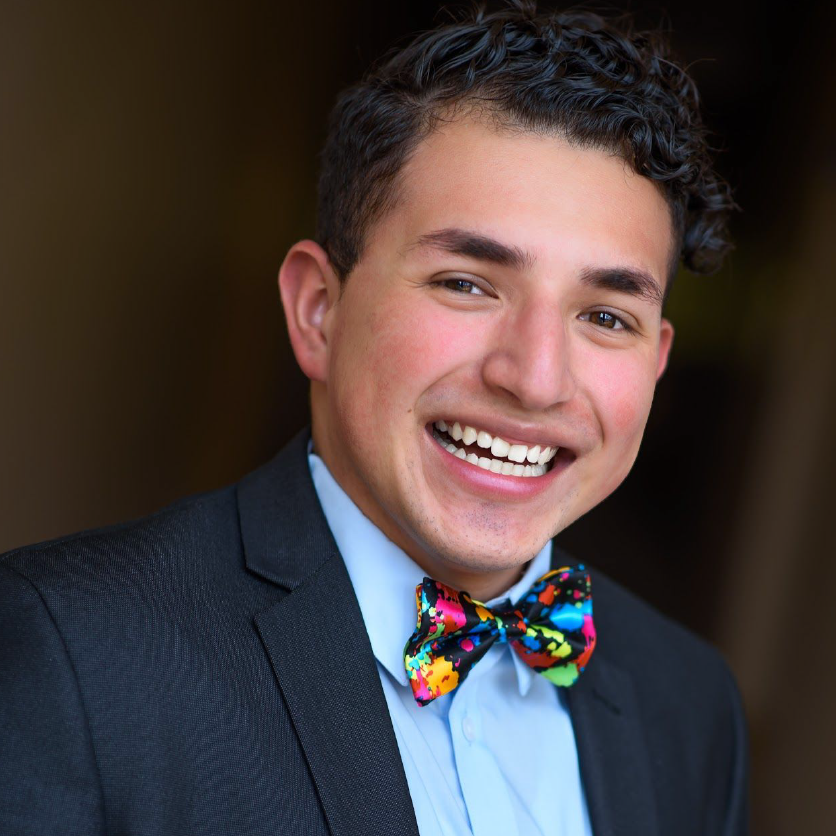 It is Pride Month, which of course means that all queer people gain superpowers and are being cared for by the prime lesbian herself, the Moon. (Apologies if you didn’t know that, but it’s true and I don’t make the rules. Mother Nature is gay. Like, why else would there be rainbows?)
 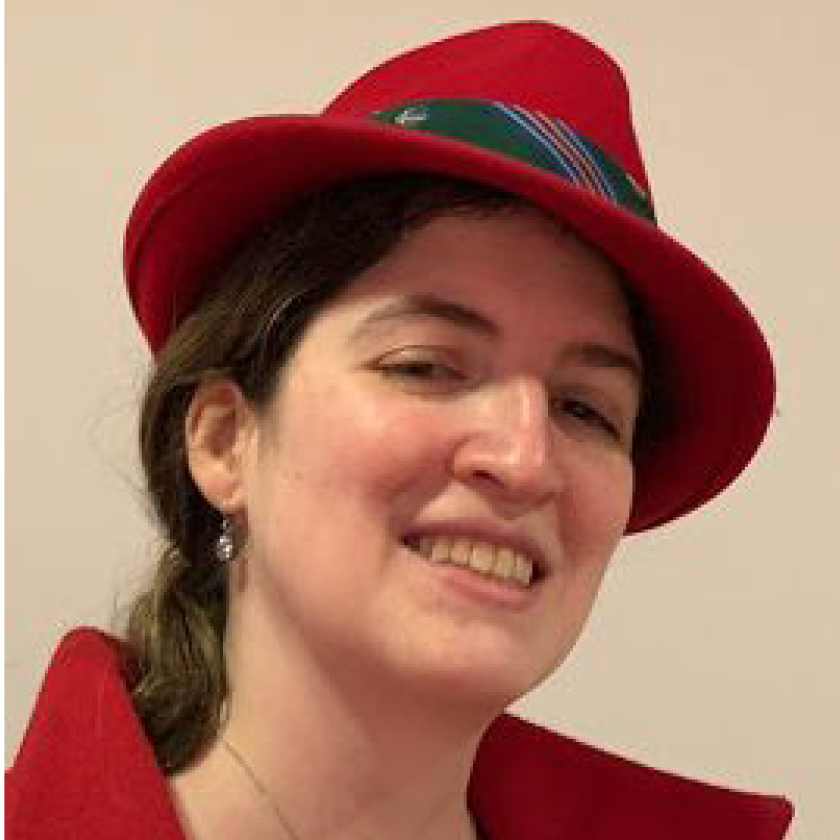 So much of how the world understands philanthropy is through the help of journalists (as well as development communications folks) who write about the issues to get people interested and involved. For people outside of the philanthropic sphere, it’s how they learn about what’s going on in our sector; and often, it’s also how people inside that world learn about what’s going on.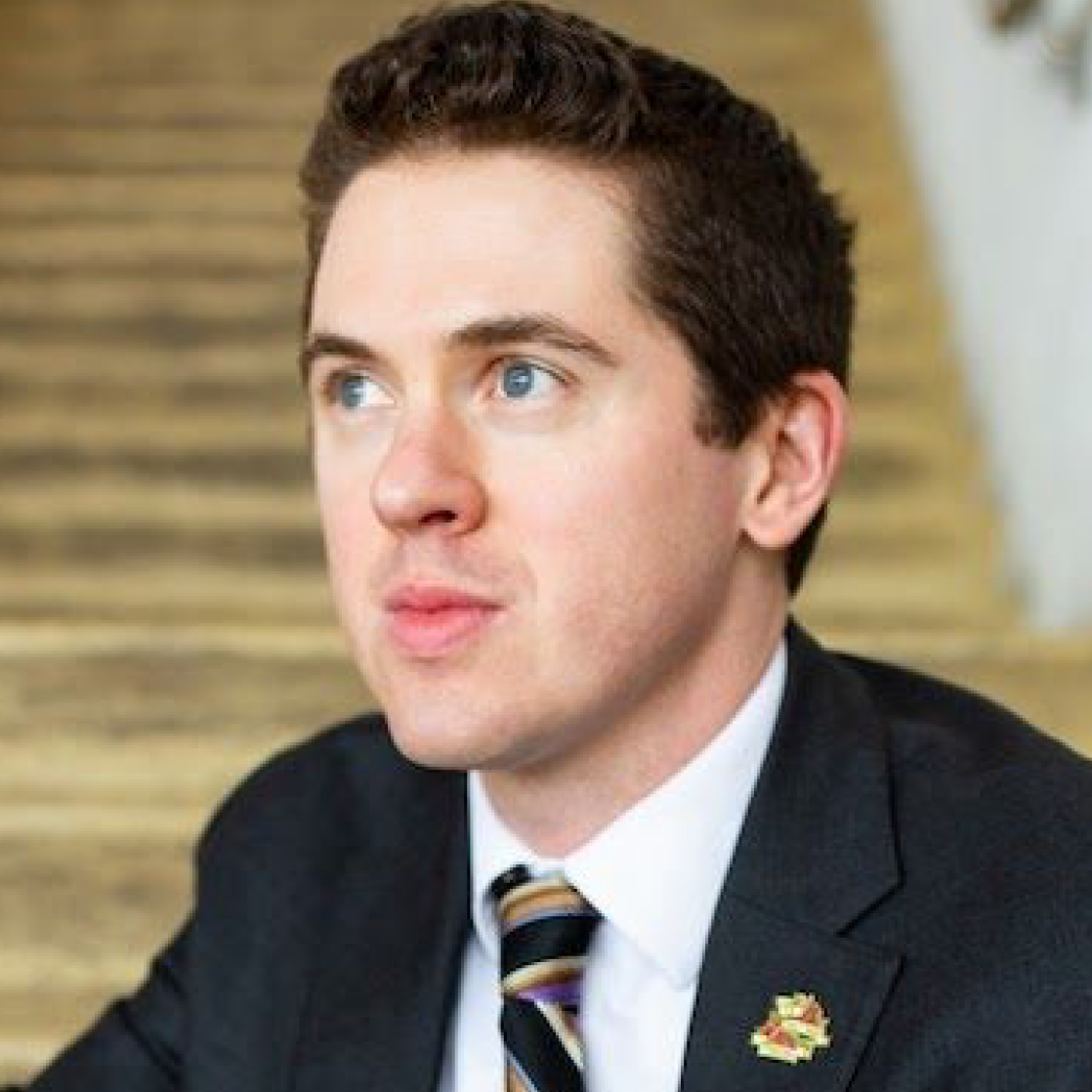
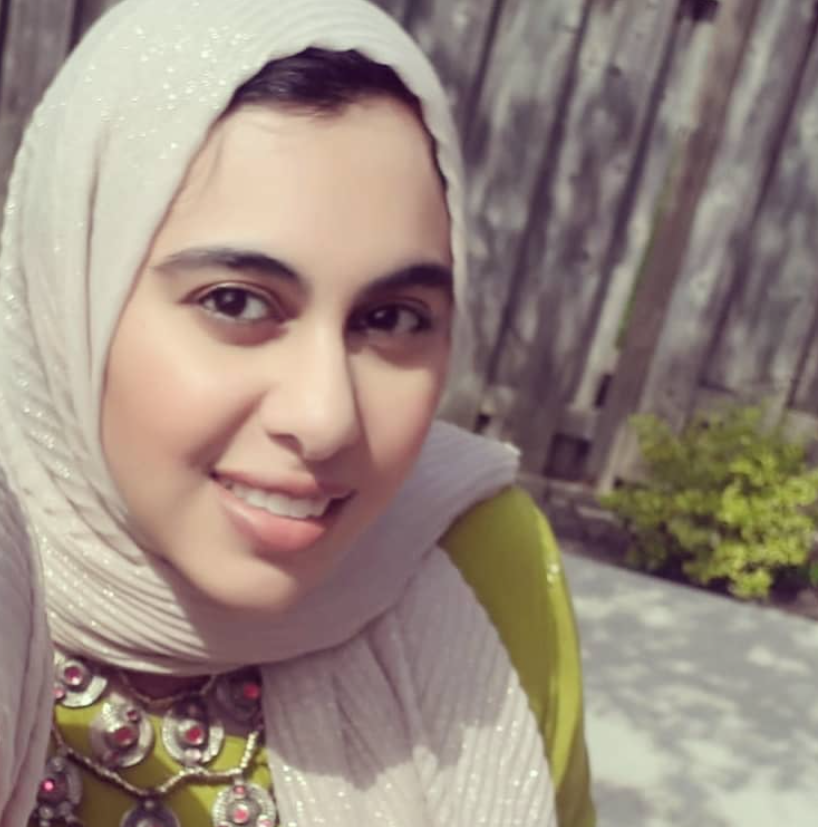 Right now, we are witnessing a surge in institutions and leaders co opting language and reinventing and marketing themselves as “antiracist,” “inclusive,” or “equitable.” But many have been and will continue to engage with important issues in performative ways.
 Collaborative philanthropy is already at the root of many communal Indigenous and African societies. In fact, it was collaboration and fundraising from diasporic communities that supported liberation struggles, which then led to independence from colonial rule. On the heels of Pan-Africanism, a movement based on the belief that unity is fundamental to socio-economic and political progress, African leaders, such as Tanzania’s first president Mwalimu Julius Nyerere, recognized that the fight against colonization was a common thread, a shared experience that could bring African nations together.
  By popular demand, Christina Shimizu is back as a guest for Part 2 of The Racist Roots of Nonprofits & Philanthropy, LIVE at the Washington Nonprofits conference! “How on Earth can we solve the issues our communities face if we can’t first acknowledge that there is a problem?” On this, the last episode of Season 2, Michelle and Christina go deeper with the recent history of how some of our ethos in philanthropy came to be, why philanthropy is built on deep injustices and a little about community centric fundraising. Remember…if we don’t examine how these things came to be, we can never hope to reimagine them, improve them or do better, to benefit the communities we are trying to serve.
  Today, Black women in the nonprofit realm constantly face spoken and unspoken rules on how to present our bodies, our voices, and our aspirations. This new kind of policing is unlike the respectability politics of old — the politics that would have you believe that advanced degrees and a business suit can keep you safe from harm. This new type of policing problematizes however we show up. It makes an issue of our joy, our bodies, our intellect, and our work ethic.
  VOX ATL is a teen-led organization. For us, that means teens are involved in every aspect of the organization — they serve on the board of directors, work as peer editors, facilitate community workshops, pick what new swag items we buy, and more. They also participate in fundraising efforts.
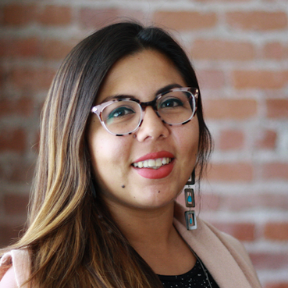 We need to make intentional power shifts within our organizations to promote emerging BIPOC leaders. Those leaders are probably in your office right now. And that power shift can be initiated by every manager becoming an advocate for their staff’s career advancement.
 A group of BIPOC fundraisers and nonprofit professionals began a collaboration to build a movement for racial and economic justice, sharing dreams of a world beyond capitalism and the nonprofit industrial complex. To gauge perceptions of nonprofit fundraising, this group distributed a survey in May 2019. Intended to highlight the thoughts and experiences of fundraisers and presented through a series of infographics, here are some findings from over 2,000 fundraisers and nonprofit professionals surveyed.