Access is not optional

Access is not optional

By nae vallejo, access designer and experiential archivist

The poem is not an indictment but an invitation. It calls nonprofits and creative institutions to reimagine access not as a logistical hurdle but as a foundation for justice.

we arrive,
hands full of labor, stories,
ideas that shimmer against your grant spreadsheets. 

you ask us to join,
to “contribute”
without the scaffolding
that lets us exist fully in our work. 

our needs are not extras
to be tacked on later,
our time is not a favor,
our breath is not yours to measure. 

we bring translation,
caption, quiet space,
so that your programs
might finally hold all of us. 

pay us upfront.
pay us for the ways we survive
in rooms not built for our bodies,
pay us for the wisdom
we carry in every synapse, every tendon, every story. 

if you want justice,
start here:
our access is not optional,
our labor is not invisible,
our presence is not free. 


Artist Statement for Access Is Not Optional 

Access Is Not Optional is a poem shaped by my lived experience as a Black-Native, trans, disabled creator navigating nonprofit and creative spaces that often claim inclusion but do not practice it. The poem speaks from a body that has carried labor, wisdom, and survival into rooms that were not built with us in mind. It examines the tension between being invited into a space and being meaningfully supported within it, naming the gap between nonprofit ideals and nonprofit behaviors. 

The poem’s central assertion is simple: access and compensation are not add-ons, and disabled labor is not incidental. In many professional and creative environments, access needs are treated as logistical inconveniences rather than structural responsibilities. They are delayed, minimized, underfunded, or framed as an individual burden, something the disabled person must negotiate, justify, or apologize for. At the same time, our contributions are celebrated rhetorically while undervalued materially. The poem pushes against that contradiction. 

Through repetition and pared-down imagery, the poem refuses the idea that access is secondary. Each stanza moves from invitation (“you ask us to join”) to the reality beneath that invitation: that “joining” often requires disabled people to do the emotional, cultural, and logistical translation work that makes the space function in the first place. We bring the captions, the quiet corners, the pacing adjustments, the relational scaffolding, the practices that allow programs to actually include the communities they claim to serve. In this poem, naming those forms of labor is itself an act of reclamation. 

This piece speaks directly to nonprofit leaders, program directors, funders, and collaborators, the people who shape accessibility culture whether they realize it or not. It asks them to consider how access is governed in their institutions: who funds it, who delays it, who is harmed when it is absent, and who is asked to bear the cost. It also speaks to disabled and neurodivergent creatives who will recognize the exhaustion behind the language, and the quiet power of insisting on what we need without apology. 

The poem is not an indictment but an invitation. It calls nonprofits and creative institutions to reimagine access not as a logistical hurdle but as a foundation for justice. It asks them to understand that payment, access, and respect are inseparable, that honoring disabled presence means resourcing disabled survival from the start, not after harm or oversight. 

Access Is Not Optional emerges from the belief that true equity requires both acknowledgment and action. The poem names what many of us have lived, and hopes to shift how institutions listen, prepare, and respond, not later, not conditionally, but now.

nae vallejo

nae vallejo

nae vallejo (they/he) is a Black, Caddo, Mexican, queer, trans, disabled experiential archivist and access designer. their work moves through memory, rememory, and care, exploring how survivors leave trace across body, land, and story. as the founder of naeborhood projects, nae creates art that weaves disability justice, sensory attunement, and community connection into everyday practices of survival and tenderness. a hard of hearing, neurodivergent service dog guardian and lifelong educator, he centers interdependence, ritual, and storytelling as tools for collective care. follow their offerings on Instagram @naeborhoodprojects and support their labor via Venmo @nae-vallejo or Paypal @naevallejo.

Understanding community and local voices is your strength when communicating for development

Understanding community and local voices is your strength when communicating for development

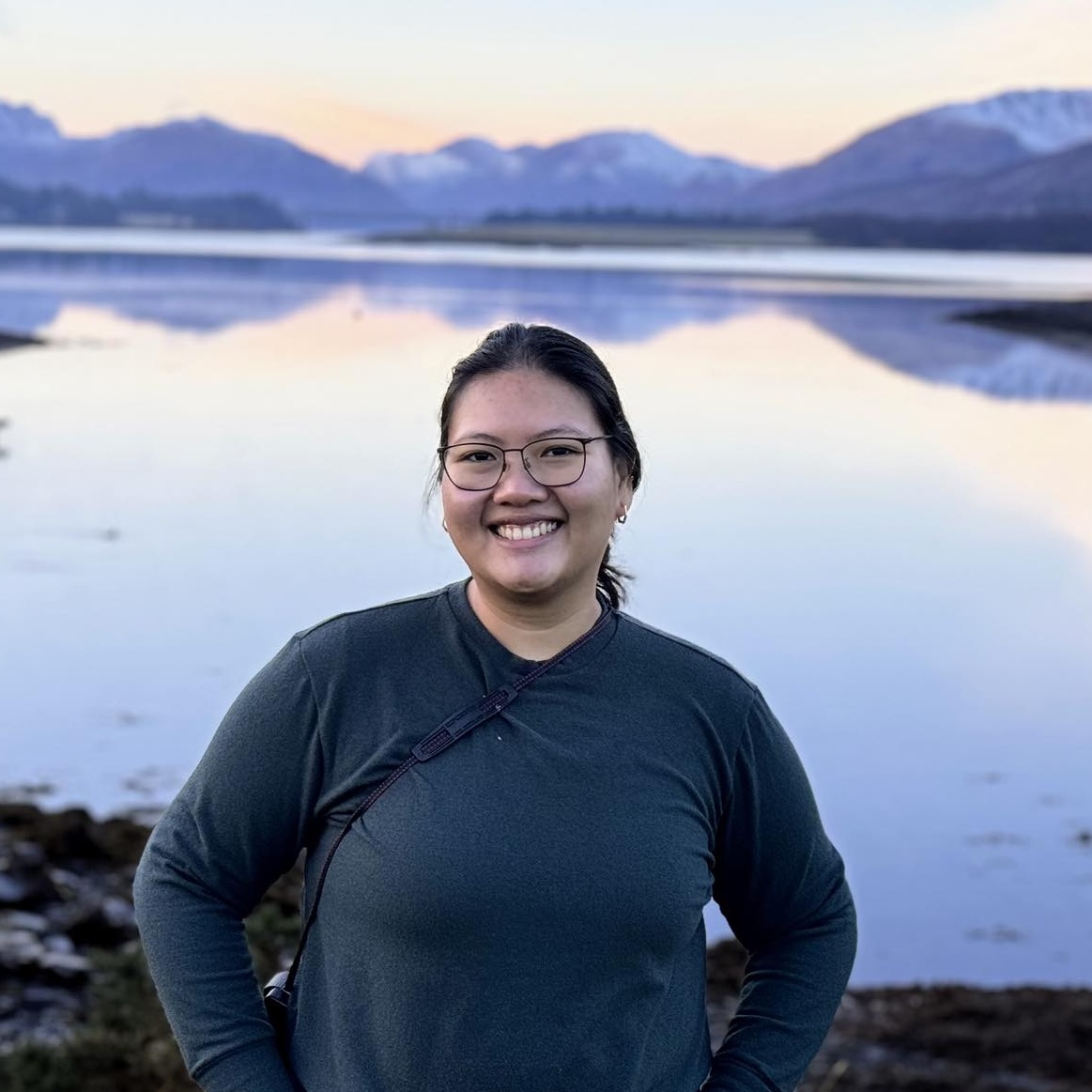
By Ysabel Lee, Development Communications Practitioner

But here’s what no one tells you: navigating the technical side of the job is just one part of it. The harder part is managing the invisible expectations that come with being a person of color working in development, often under white, Western leadership.

Back in university, working for an international organisation seemed far-fetched. As a student, I would spend hours pouring over the campaigns of UN FAO, the International Rice Research Institute, among others. Many of my classes also reference these organisations on how to execute communication campaigns effectively. I imagined the people behind the posts honing their craft until they could create with their eyes closed—until I got to the industry myself.

There’s so much more to being in the international research community than crafting clever messages. It’s about making research usable for the community, managing media inquiries about controversial findings, promoting breakthroughs on social media, and showing donors and funders that their investments are making a difference. As development-focused communication professionals, much of our work is used to show donors and funders where their investment goes, and at the same time, show potential new partners how research is relevant to their priority areas. 

But here’s what no one tells you: navigating the technical side of the job is just one part of it. The harder part is managing the invisible expectations that come with being a person of color working in development, often under white, Western leadership.

No one prepares you to deal with difficulties related to cultural and language differences. There is no guidebook for navigating barriers when dealing with white colleagues working in global development spaces.

Taking good care of audiences and stakeholders

The starting point of any strategic communication plan is asking, “who is this for?” We take understanding our stakeholders, users, and audiences seriously to ensure optimal achievement of our goals. When I was working at an international research organisation for agriculture, this was the first question I needed to find answers for. “Farmers in Asia” is already too broad an audience, and I’ve struggled with this because we do not have a unifying language across the region. In Southeast Asia alone, almost no countries share a single language outside of English.

I sometimes found myself being the only Asian person in the room whenever I consulted research teams about their communication goals. I felt immense pressure to advocate for local stakeholders correctly. But how can one Filipina be knowledgeable of the communications needs of Vietnamese farmers?

I had to be mindful of the responsibility to keep the integrity of science intact, and meet the expectations and goals of the research organisation. While there are similarities in contexts like access to communication resources, communication styles and approaches can vary. I turned to our national scientists, researchers, and colleagues often for advice. This was particularly helpful to understand the big picture of how we can transform a research output to something more tangible and useful for smallholder farming communities.

I’m afraid I do not hold all the answers to “the how” of doing regional agriculture communications, as there is not a one-size-fits-all approach. I found my community of local experts to be the greatest asset when it comes to validating assumptions and correcting set directions that often come from (a well-meaning, but) a white and Western perspective.

“When do you need it?” “Yesterday.”

Getting the job offer to work in international research feels great; it feels like all the hard work paid off, because somehow, you’re now the person you have been working towards. 

I don’t know if this is a shared experience, but I found finding my voice as a newbie to the space an intimidating experience. I wanted to learn, do well, and meet the expectations of why I was hired in the first place.

Another dimension to navigate in international organisations includes establishing relationships with Western colleagues, who culturally you often feel eager to please as a person of color.

When you’re a newly minted professional and eager to prove yourself, it is easy to just say “yes”  and figure things out as you go. But this is a slippery slope. And for many of us who are BIPOC, we tend to say “yes” to white authority figures, especially when it’s the first time we’re encountering them in a professional sense—but it is important to remember: you are in control here. You’re leading communications work in parallel to the research.

It took me years to find my voice and advocate for what worked. The reality is, we have a better understanding of the landscape in the areas where we work and know the voice that resonates with local community members.

This is where getting the nuance from knowing our communities becomes an invaluable insight, which feels especially important when you’re applying what you learned from other BIPOC colleagues.

Finding the sweet spot in managing differences

Recognizing cultural differences with intention is central to the success of international development. Understanding that colleagues—whether they are BIPOC or white folk—come with perspectives shaped by their education, experiences, and geography is foundational to trust building. This intentional relationship building assures that you have and understand your shared goals and helps you determine your next steps.

This is especially true when pushing back on strategies that simply won’t work in a specific region. Across countries, media landscapes differ, and resource availability can restrict campaigns from reaching the intended stakeholders. It gets trickier when you also have to meet global communications objectives often set in balance with Western colleagues, who may have the same background but do not operate in the same context as you. In my experience, balancing the need to publish content following a set global KPI may be hard to track because of how significantly more challenging it is to get content from the field in Asia. With farms not accessible by vehicles, I have trekked mountains, crossed rice paddies, and ridden boats to get to stakeholders. 

In this case, the set global KPI did not have enough context of the on-the-ground conditions, and did not balance the need to churn a specific number of communication outputs with that reality.

I only learned this a few years into the role: stick with what you know and know that you have something to contribute.

Working with a diverse organisation led by mostly white and Western folk will make your understanding of local development shine; it is where your power as a communications professional is rooted. They might have the know-how and know-what of science, but you know how to turn the technical language of science into something that matters for the people that it’s meant to serve.

And at the end of the day, our job is to make research relevant—to collaborators, to funders, and to communities. And when we do it together and well, everyone wins.

Ysabel Lee

Ysabel Lee

Ysabel Lee (she/her), currently working as an impact development officer for agriculture, food, and health at the University of Reading.

Why CCF Family Reunion is different from other conferences: It’s about relationship, not just content.

Why CCF Family Reunion is different from other conferences: It’s about relationship, not just content.

Relationship-building is not a side benefit of this conference; it is the core function.

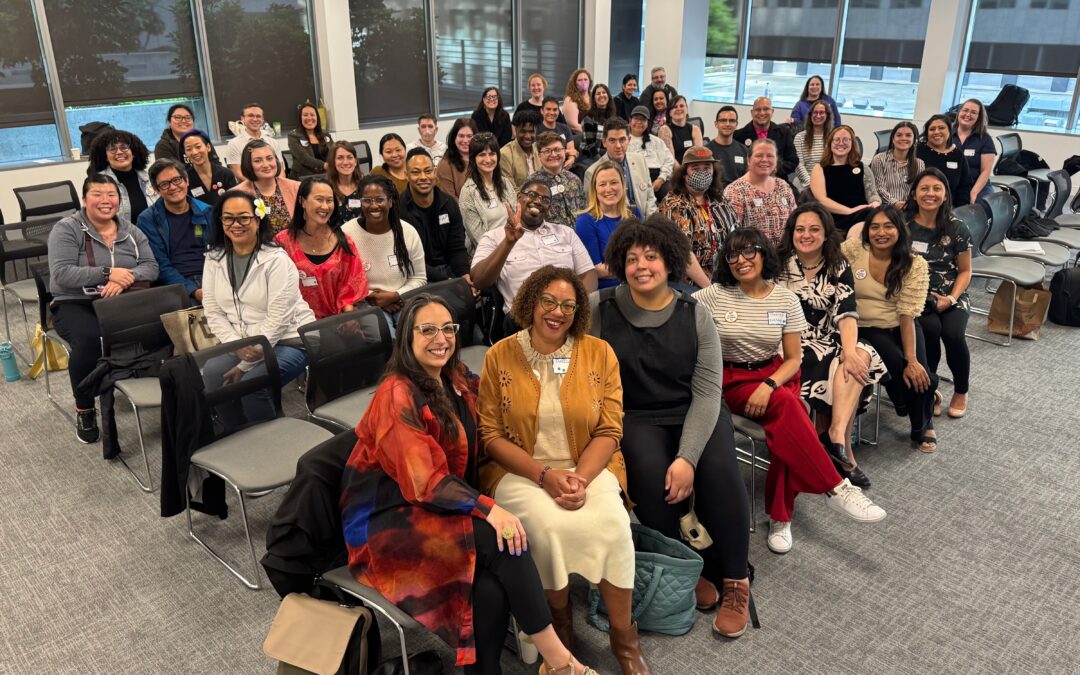
The Community-Centric Fundraising (CCF) Family Reunion is back! 

And I think we can all agree that it’s not like other fundraising or nonprofit conferences.

The CCF Family Reunion is about relationship, not just content. It’s about being together, in person, as whole humans – moving relationships offline, building trust, joy, and a sense of shared movement. Relationship-building is not a side benefit of this conference; it is the core function. Learning, content, and thought leadership are in service of connection, not the other way around at the CCF Family Reunion.

The Family Reunion also intentionally exists to elevate Black, Indigenous, queer, trans, and other marginalized leaders — especially those whose wisdom may not be currently captured in written or academic formats. This focus creates a safer, more supported pathway for BIPOC thought leaders to present; values oral, relational, and experiential knowledge; and it designs away barriers, such as credentials, polished presentation norms, and unpaid labor.

Additionally, accessibility shows up repeatedly as a design principle of this conference and part of the “how,” not an accommodation afterthought. This includes mobility access, masking, ventilation, food justice (including religious, medical, and cultural needs), language justice (through Spanish sessions and ASL interpretation), neurodivergent supports (like quiet rooms, advanced materials, and stim tools), and social consent and safety.

About our location

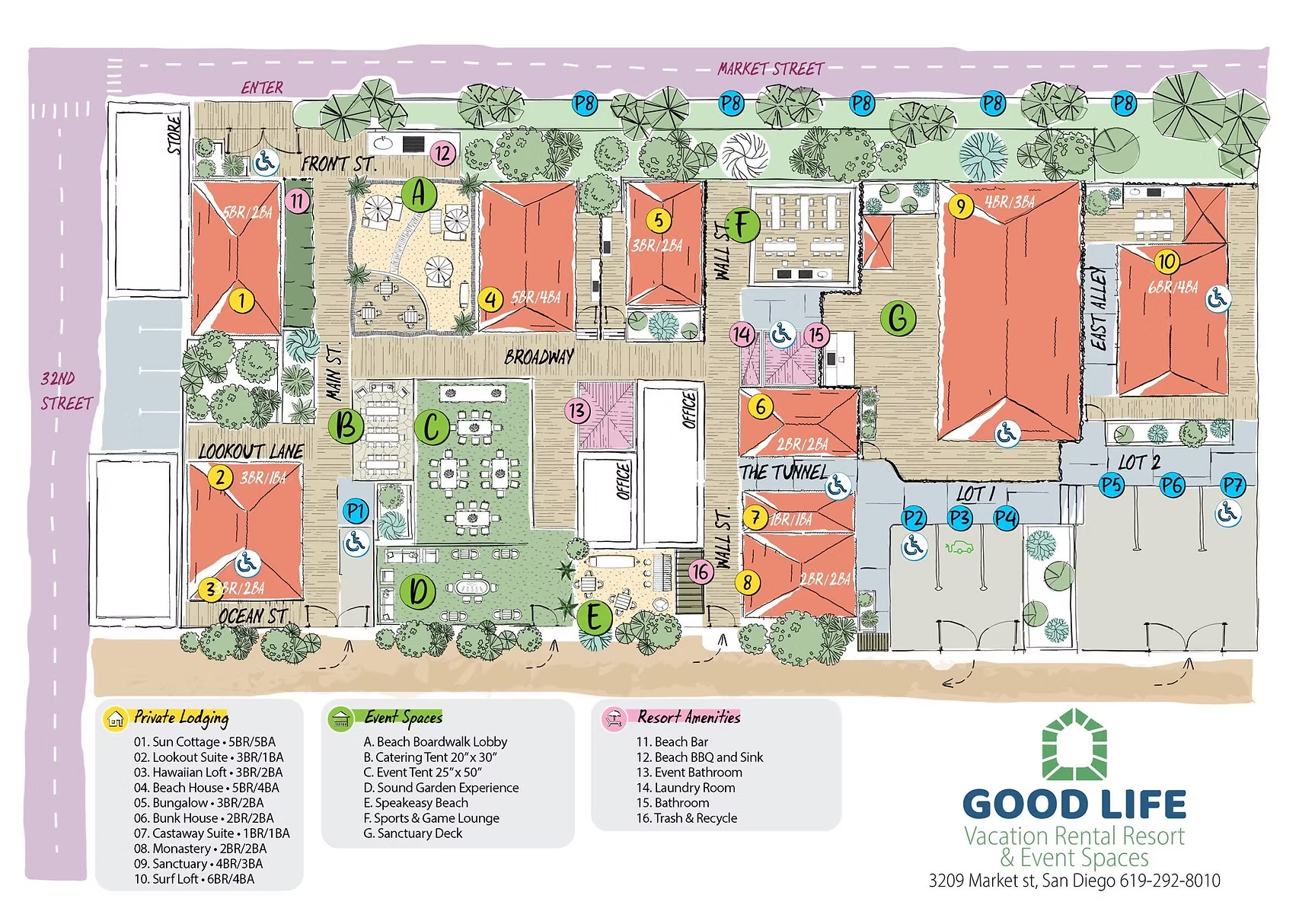
Speaking of accessibility, we are pleased to announce that the Family Reunion will be held at Good Life Vacation Rental Resort & Event Spaces in San Diego, California.

This space was chosen intentionally because it is fully up-to-date with ADA compliant codes and fully accessible to wheelchair access, has open classrooms and an open floor plan to prevent the spread of COVID or other illnesses, has nearby public transportation, and is 10 minutes away from downtown San Diego.

A map of the Good Life Vacation Rental Resort & Event Spaces

Who should attend and why?

The gathering, sessions, and add-ons will center people historically excluded from philanthropy spaces, including Black, Indigenous, queer, trans, and other marginalized fundraisers, funders, and other nonprofit workers, but all members of the philanthropy and nonprofit sectors are invited and encouraged to attend.

People who are true to and people who are new to Community-Centric Fundraising principles should attend to connect and come together as a community, build meaningful relationships with one another, and to take part in sessions that interest them, and ones that are typically missing from other conferences.

Stay tuned for a complete list of the sessions!

What attendees from 2025 and new registrants have to say:

The inaugural CCF Family Reunion was, in one word, joyful. Not something I’d usually say about a fundraising conference! The speakers, the attendees, the programming…all of it felt deeply respectful, insightful, and fun. As a disabled woman with very limited energy, conferences can be a nightmare for me, often leaving me drained and even sick from the energy required to navigate the days. But I left the CCF Family Reunion with a spark of excitement and momentum and I can’t wait to learn alongside my CCF peeps again this year.

— Cat Ashton

The CCF reunion and conference is a 2025 highlight for me! Being in community, sharing a justice forward mindset and learning from each other were just of the few gems I got to experience. I look forward to going again.

— Paulina Artieda

I appreciate the availability of pricing options and the care and intentionality that went into creating them. Given some recent challenges, I wasn’t sure I was going to be able to afford attendance. Seeing those options was a relief and pleasant surprise. I’m looking forward to being in a financial position to pay it forward in the future. Thank you!

— Anonymous

We hope to see you there!

Trauma-informed fundraising: Why urgency without care is costing us trust

Trauma-informed fundraising: Why urgency without care is costing us trust

By Arezoo Najibzadeh, Fund Development Professional and Co-Founder of A+ Projects

Trauma-informed fundraising does not mean avoiding urgency or sanitizing injustice. It means refusing to use pain as a shortcut.

Have you ever read a fundraising appeal that just didn’t sit right with you? 

Maybe it was the graphic detail, the “last chance” language, or the way grief, violence, or illness was shown without warning, immediately followed by a donate button. In practice, this kind of framing often leads to disengagement, not because the cause doesn’t matter, but because the emotional cost of engagement overwhelms the part of the brain responsible for decision-making and action.

That disengagement is not oversensitivity, and it is not a personal failing on behalf of donors. It is often the result of exploitative fundraising: an approach that relies on emotional shock, fear, or guilt to generate urgency, without accounting for the very real trauma and grief carried by the people being asked to give.

What is Trauma-Informed Fundraising?

Fundraising is often treated as a neutral technical function: tell a compelling story, create urgency, raise the money. But fundraising is not neutral. It shapes how harm is narrated, whose pain is made visible, and how often people are asked to emotionally absorb crisis in order to prove they care. When we ignore this, we don’t just risk discomfort, we reproduce harm.

A trauma-informed approach to fundraising starts from a different assumption: that many of the people involved in our work—community members, staff, volunteers, and donors—are already carrying trauma, and that fundraising practices can either compound that harm or actively reduce it. Closely related is grief-informed fundraising, which recognizes that much of what our sectors address—death, violence, displacement, illness, loss of safety, loss of futures—produces compounding grief rather than a single moment of crisis. Grief is not linear, it comes in waves. And fundraising that ignores this reality often causes harm without meaning to.

Trauma-informed fundraising does not mean avoiding urgency or sanitizing injustice. It means refusing to use pain as a shortcut. In practice, it is grounded in a few core principles:

  • Prioritizing emotional and psychological safety rather than surprise or shock,
    preserving donor agency and subject dignity instead of moralizing urgency;
  • Communicating real stakes and consequences, without panic or exaggeration;
  • Ensuring consent and control for people whose stories are shared; and
  • Offering context and systems analysis rather than spectacle.

Trauma-informed fundraising isn’t about being gentle for the sake of tone. It is about being ethical, credible, and sustainable in how we raise money.

Why is Trauma-Informed Fundraising Necessary?

When fundraising is not trauma-informed, similar patterns show up across sectors, often normalized as “what works.” In humanitarian and emergency response spaces, this frequently looks like graphic imagery, perpetual emergency framing, and saviour narratives. Suffering becomes the proof used to justify urgency, and crises are presented as endless and escalating regardless of context or timeline. Communities are reduced to the harm they experience, and traumatic images are reused long after meaningful consent is possible. Constant crisis messaging tends to trigger stress rather than long-term commitment, and for donors with lived experience of harm, this dynamic can be retraumatizing.

In Burnout: The Secret to Unlocking the Stress Cycle, Emily and Amelia Nagoski remind us, “You can’t solve a stress problem with more stress.” Yet much of fundraising is still designed to do exactly that, layering urgency on top of already overloaded nervous systems and then expressing surprise when people disengage.

In gender-based violence work, trauma-uninformed fundraising often relies on explicit or implied detail to establish credibility. Stories are flattened into moments of harm, urgency is driven by fear, and disclosure becomes a condition for legitimacy. This creates pressure on survivors to perform trauma in order to be believed or funded, while retraumatizing donors who recognize their own experiences in the messaging. 

In rare disease and cancer fundraising, harm often shows up through battle metaphors, cure-or-death framing, and deeply personalized tragedy stories. Decline and loss are used to accelerate giving, while hope is narrowed to survival alone. This implicitly ties outcomes to effort or strength, erases those living with illness, and places enormous emotional weight on families and donors alike. 

Across these sectors, exploitative fundraising produces two consistent outcomes. First, it reproduces harm. Communities see their most painful moments circulated again and again, often without control or long-term benefit. And second, over time, repeated exposure to anticipatory grief drives people away, not because they care less, but because the cost of caring has become unsustainable.

How Do You Know If You Are Using Exploitative Fundraising?

Recognizing exploitative fundraising requires honest reflection. Here are a few questions that can help identity it: 

  • Does urgency default to “now or never,” even when timelines are longer?
  • Are fear, guilt, or shock doing most of the motivational work?
  • Are the same traumatic stories or images reused year after year?
  • Would someone directly affected by this issue feel respected reading this appeal?
  • Is immediate giving the only acceptable response offered?

If urgency depends on emotional escalation, it may reflect habit more than necessity.

How Do You Start Using Trauma-Informed Fundraising?

Trauma-informed fundraising does not remove urgency. It anchors urgency in reality. That looks like naming real funding gaps and deadlines, explaining what happens if funds are delayed without catastrophizing, distinguishing between immediate emergencies and long-term needs, offering multiple ways to engage beyond immediate giving, using fewer stories more carefully with consent and context, and reporting impact without retraumatizing detail. 

It also requires internal shifts: educating boards about the long-term cost of extractive urgency, redefining success beyond short-term spikes, and supporting fundraisers who are often carrying the emotional weight of these systems themselves.

Ultimately, fundraising choices are not just decisions, they are values statements. As the Just Beginnings Collaborative puts it, “The stories we fund shape the futures we make possible.” When we fund stories that rely on harm for legitimacy, we reproduce systems that normalize violence. When we fund stories grounded in dignity, context, and consent, we help build futures rooted in trust.

We are living in a period of overlapping crises, violence, illness, displacement, climate disruption, where grief is not episodic but constant. Fundraising that ignores this reality is not just outdated; it is actively harmful. Trauma-informed fundraising asks us to communicate stakes clearly without using harm as leverage. It treats donors as partners rather than pressure points, and it builds the trust required for movements—not just campaigns—to last.

As fundraisers, the asks we make shape narratives, and it is on us to ensure donors and communities are grounded in stories that reimagine collective futures rather than normalize ongoing harm.

Arezoo Najibzadeh

Arezoo Najibzadeh

Arezoo (she/her) is the Co-Founder of A+ Projects, a capacity-building firm dedicated to reimagining and strengthening the social impact sector. With over a decade of experience in fundraising, partnership development, and organizational strategy, she supports mission-driven organizations to grow with clarity, confidence, and care.

Say hi on LinkedIn.

Q: Why do nonprofits struggle to achieve their missions? A: Colonialism

Q: Why do nonprofits struggle to achieve their missions? A: Colonialism

By Jonathan Meagher-Zayas, nonprofit strategist, eductor, and equity warrior

Given my learnings, I identified a key thing holding nonprofits back from achieving their missions and advancing progressive change: their complicity in colonial mindsets.

We all know 2025 was a hot mess, and 2026 is already looking just as rough. The United States federal government is imposing systemic challenges impacting nonprofits across the globe. These challenges are compounding on the injustices under-resourced communities already face. Even though our sector has been aware of the systemic inequities facing our communities, I often see nonprofit leaders struggle to name what they are and why they exist. 

Last year, I attended several nonprofit and fundraising conferences. During one of these conferences, I was in a session focused on strategic and scenario planning. While engaging in group discussions, many attendees shared numerous concerns. They talked about having risk-averse boards and executive directors who did not understand fundraising. They mentioned key organizational leaders were afraid to double down on their diversity, equity, inclusion, and belonging efforts. They shared toxic aspects of their jobs, such as being forced to focus on quantity over quality, dealing with constant resistance to change, and being stuck with employees who have a “that’s always how we’ve done it” mindset.

We even dove into how difficult it was to educate new employees coming into the sector—regardless of age—having the wrong mindset. These new people thought they could come to nonprofits to “save” helpless people and believed they were better than the people the organization served. 

This applied to donors as well, who were only responding to messages on how they could “save” or “fix” society’s problems.

The themes were definitely ones I’ve heard from many nonprofits across the continent. 

Now, for many of us in the Community-Centric Fundraising movement, you might hear these challenges and instantly think about oppressive ideologies—such as scarcity mindsets, white supremacy culture, and saviorism. During that specific session, I was eager for the facilitators to help name these and help the leaders understand, grieve, heal, and focus on overcoming these toxic ways of thinking. Unfortunately, as I see in many educational spaces for nonprofits, the facilitators either did not understand or were afraid to approach the topic. We spent more time discussing how to cope with these challenges because “this is how the sector works.” 

Thankfully, a happy hour followed the session, and I processed my frustrations with trusted colleagues who were disappointed in the event facilitators. We’d hoped for better…

Complicity in Colonial Mindsets Hold Us Back 

Stories like this are not uncommon in our sector. Many nonprofit management and leadership environments do a great job of naming challenges we have to face as professionals, but often forget to truly consider the reasons these challenges exist. The learning focuses on personal and organizational failures and avoids the systemic inequities. 

As a consultant, coach, and educator for the field, I have had time to heal from nonprofit “professionalism” as well as time to step back and really try to understand what is holding our sector back. Personally, I strive to learn as much as I can and support others in their learning journey.  This is why I value Community-Centric Fundraising spaces and the super talented colleagues within them; it is why I’m pursuing a Doctor of Education in learning and social contexts; and it is why I learn from great sector leaders by reading their work. (Vu Le’s book “Reimagining Nonprofits and Philanthropy: Unlocking the Full Potential of a Vital and Complex Sector,” Vanessa Priya Daniel’s Unrig the Game: What Women of Color Can Teach Everyone About Winning, and all of Lily Zheng’s books are some of the most transformational works I have read lately if you are looking for a place to start.) 

Given my learnings, I identified a key thing holding nonprofits back from achieving their missions and advancing progressive change: their complicity in colonial mindsets. Since acknowledging this, I have felt a sense of liberation from that type of thinking, and have continued on my journey to decolonize my approach to leadership. (Also, “decolonization” is not a synonym for DEI work, and if that concept is new to you, you should read the academic article “Decolonization is not a metaphor” by Eve Tuck and K. Wayne Yang and Maria Rio’s CCF article “Why ‘decolonizing’ is the wrong word for changes we make inside oppressive systems, and how we can strive to be anti-colonial instead.”) 

For my fellow social justice warriors, we know that the true cause of our world’s current destruction is capitalism. Colonialism is a product of capitalism, just as fascism, racism, sexism, ableism, homophobia, environmental destruction, and other forms of systemic oppression are. I know firsthand that it is part of my mission to support the reimagining of a world without oppressive capitalism. However, I intentionally use language to meet people where they are. Unfortunately, many people with power in our sector are not ready to name and acknowledge capitalism’s oppression. I’ll also explain later, based on my personal background, why I’m focusing on colonialism. 

How Colonialism Shows Up in Modern-Day Nonprofits

Many traditional nonprofit spaces have not connected our challenges to colonialism, and that’s part of my research. I am exploring how to educate people and help them change their mindsets to further pursue decolonized forms of wisdom and knowledge. 

In New York, the New York Council of Nonprofits publishes an annual report naming 10 of the most challenging issues nonprofit leaders say they face. In the most recent year, the majority of the 10 were categorized into three primary areas: financial and fundraising, staffing and organizational culture, and boards and leadership. I believe a big reason why many of these issues persist is because of colonial mindsets, such as: 

1. Scarcity Mindset 

I found that this past year, through my consulting and training work and conversations with other sector leaders, more leaders adopted a scarcity mindset when making decisions about their organizations. They were afraid of being attacked. They were uncertain about the future and lacked the confidence and competence to navigate the new political and community pressures. 

As someone who’s pretty fiery and loves to get stuff done, this was pretty frustrating to see. 

Thanks to fellow CCF contributors such as, April Walker, Yura Sapi, Esther Saehyun Lee, and Nel Taylor, we know the damaging impact a scarcity mindset can have on ourselves, our organizations, and our communities. It wasn’t until I dove into literature such as the must-read Decolonizing Wealth: Indigenous Wisdom to Heal Divides and Restore Balance by Edgar Villanueva, and listened to Indigenous scholars, that I realized scarcity mindset is a product of colonialism. 

Here we have talented, smart leaders who are supposed to be addressing our most pressing societal issues, but are instantly afraid to challenge the status quo that created these issues or educate those in power. By doing nothing, leaders sacrifice the needs of marginalized communities to protect their status and access instead of helping create more equitable systems. 

We see this often when trying to get our leaders and board to fundraise, or when they are insistent on toxic and unsustainable ways to generate support—like asking too much, exclusive and out of touch events, poverty porn, and giving up too much power to the donor. 

Scarcity mindsets cause people to freeze and hoard resources, thinking they are saving it for a “rainy day,” but in reality, they are withholding the opportunity to generate wealth and support for people who need it. (Also, I think it’s chaotically storming now.) 

This is one of the main things I feel my fellow consultants and fractional fundraisers are frustrated about: leaders would rather be frozen and avoid any risk than support us. Our communities right now need the most courageous and competent leaders right now, not those saving for an imaginary “rainy day” when it’s too late. 

2. White Supremacy Culture

When I first learned what white supremacy culture was, I felt so liberated as a young, queer, Puerto Rican professional in our sector because it helped me understand the frustrations I had in numerous organizations. I am also grateful for the previous CCF contributors who elaborated more on white supremacy culture including, Michelle Shireen Muri and Fleur Larsen, Ashley Lugo, and Chris Talbot

Now, as a diversity, equity, inclusion, and belonging consultant, I educate on how white supremacy culture is impacting staff retention rates, organizational culture, adaptability, and sustainability. This mindset has hurt us all, and we need to name it, heal from it, learn how to transform ourselves and our organizations, and take action to mitigate and dismantle it. White supremacy culture originated from the European settlers, who needed terminology and conditions to reign over the Indigenous land they stole and the African people they enslaved. While this may appear to be institutions of the past, many of our policies, values, and workplace expectations are based on these oppressive ideologies. 

In addition, we have attacked and devalued values and wisdom from People of the Global Majority. 

Naming this is a needed wake-up call for many people complaining about their organizational challenges. While it is a liberating moment for many, other leaders resist and derail to avoid their own guilt. 

I had many attendees at my trainings resist this learning, despite other employees telling them characteristics of white supremacy exist at their organization. Regardless of whether people believe it, it’s another ideology rooting from colonialism that we have to address in our nonprofit sector. Our leaders’ and funders’ complicity is likely the reason we have yet to solve the decades-long “staffing crisis” in our sector. 

3. Saviorism 

When I talk about saviorism, many of my social justice fundraisers instantly understand that it has a negative impact on our fundraising efforts. Check out  Yolie Contreras’ and Alli Rolle’s previous articles for more about this. 

Too often, our organizations have centered people with power as the heroes of our movements. We see that language in direct mail appeals and emails. We see people with money and access being awarded, so they come to more events and hopefully give more money. We see these people recruited to boards, and brag about how great they are despite lacking the knowledge, community connections, or skills needed for effective board governance. 

Saviorism originates from colonialism. History lessons still talk about how “uncivilized” Indigenous and African communities were, and how the white European man was burdened to save them. The United States still celebrates a genocidal criminal, and many nonprofits still have his holiday in their employee handbook. 

Saviorism shows up in many ways in which nonprofits operate. I work a lot with human services agencies serving people with disabilities, where they have a significant staffing issues and horrible retention rates. Many human resources staff boast about recruiting employees who are most passionate about helping the people they serve, but they fail to educate themselves on why we need nonprofits serving people with disabilities in the first place. This disparity is why research done by the Council on Quality Leadership showed that most disability professionals are ableist

During a presentation on racism in philanthropy from my local AFP conference, a cisgender white woman fundraiser working at a local disability services nonprofit derailed the presentation because we “failed” to discuss people with disabilities in our equity in fundraising presentation. One of the presenters wanted to discuss ableism and was planning to address it, but lost the psychological safety to do so due to this disruption and accusation. (Also, I know from my work that this woman’s organization eliminated its DEI work in 2023 and has one of the lowest organizational ratings on Indeed in the field.) When we disguise our saviorism as passion for helping others, it impedes our efforts. Even though this woman appeared to be advocating for people with disabilities, she ended up harming someone from that community and is harming others in her fundraising role. 

I see the same saviorism mindset happening on boards, too. The volunteer leaders—with no or limited knowledge of the historical oppression the communities they serve have faced— make the organization’s most influential decisions based on their perspectives, thoughts, and bias. Often, they can only make those decisions if they are fed all the information in a carefully curated way. They also lack the understanding of their role within the movement ecosystem which results in organization-first decision making and embracing business “best practices.” We know as nonprofit leaders we do not need more private sector wisdom coming into our sector; we need the private sector to be accountable to the oppressive systems they create and uphold. 

We also have nonprofit leaders who stay in their positions longer than they should because they believe they are the only person that can do the job. Overlapping with individualism in white supremacy culture, the belief that certain leaders need to be the heroes and save their communities is destructive. It results in withholding resources and eliminating opportunities for leadership, it reserves resources for outdated practices, and causes a disruption of trust from a new generation of leaders. The best leaders are the ones who embrace their strengths and roles in the community and uplift others along the way. 

In order for our sector to truly thrive, we have to overcome these oppressive mindsets and focus on creating a world liberated from this type of thinking. We likely cannot create it right away, but that shouldn’t let us stop working towards that world. Decolonizing our thinking means embracing wisdom like the Haudenosaunee’s Seventh-Generation Principle. We should be thinking how our actions today will impact seven generations after us. 

Why I Named Colonialism As a Toxic Trait to Our Sector

As part of my doctoral journey as well as my personal healing, I constantly want to examine my bias, perspectives, and positionality. (I highly encourage you to read Charisse Iglesias, PhD’s “From assumptions to integration: Examining your positionality throughout your community-engaged partnerships” article to help with this.) I find myself in a unique role where I can hopefully connect mainstream education leaders and inspire them to pursue decolonized wisdom. 

This is because my ancestors were both the colonized and colonizers. This applies to three areas of my life: 

  1. First, I proudly identify as Puerto Rican because my maternal grandparents and their ancestors were born on the island of Borikén in the Caribbean. We know from history (thank you, Chantelle, for your beautiful article on the topic) that the Taíno Community was living there until the Spanish conquistadores came, enacted a genocide, and brought over Africans they enslaved. Many of my fellow Latine people know that this is a complicated part of our history that we have to name and heal from. 
  2. Second, on my father’s side, some of my first ancestors from England came over in the 1400s as some of the earliest settlers to take over Turtle Island. It is very easy for me to name and even trace back my European roots to the 1400s. (I likely also have ancestry from the Indigenous community whose land they occupied, but that community connection is disrupted.) 
  3. Lastly, I am a United States citizen, and our country is an imperial empire occupying several lands as colonies, including those on the island of Puerto Rico. My community members there face significant economic oppression and exploitation, all for the benefit of rich mainland citizens. 

Reflecting on these identities, I see an opportunity to navigate my multiple identities to connect people and help them understand different disciplines and perspectives. 

I see mainstream nonprofit spaces complicit in their bias and still not centering scholars of color, elder wisdom, or adapting to new community-centric forms of leadership. I plan to take the strength of my ancestors to heal the wounds created and perpetuated by the other. I hope to help educate on these challenges and inspire people to pursue their journey of decolonization. 

I wanted to share this opportunity here to manifest the opportunity to build our transformative learning strategies and experiment new ways to lead our movements. Now, more than ever, we need to be thinking about the generations to follow. 

Jonathan Meagher-Zayas

Jonathan Meagher-Zayas

Jonathan Meagher-Zayas (he/him) is a Queer Latinx Millennial nonprofit strategist dedicated to addressing equity issues, building capacity, engaging the community, motivating new impact leaders, and getting stuff done. He wears many professional hats, including Nonprofit Capacity Building Educator, Community Engagement Strategist, Adjunct Social Work Professor, Diversity Equity & Inclusion Consultant, Leadership Development Trainer, Award-Winning Fundraiser/Resource Mobilizer, Impact Sector Coach & Facilitator, Learning and Social Contexts Doctoral Candidate, and Social Justice Champion. He can be reached at jonathan@equitywarriorstrategies.com or on LinkedIn.