
 I’ve been working in the nonprofit sector for over ten years. I’ve been a volunteer, an intern, and a staff member.
And recently, I quit.
I’ve quit before, but this time I really think I’m done. I burned out, again, and some truths I’d been running from caught up with me.
 Encouraging equal opportunity to the salary negotiation process doesn’t ensure equal outcomes — it only further legitimizes a system that only continues to perpetuate sexism, racism, ableism, and many other -isms. The only way to ensure pay equity is to change the system.
 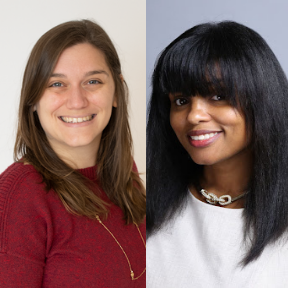 One of the key principles of CCF is valuing all stakeholder input equally. In this episode, Beyond Philanthropy co-hosts Monique and Valerie explore the nonprofit-stakeholder relationship, with a focus on those who receive services. Historically, this stakeholder group hasn’t been given equal footing at most organizations. Monique and Valerie discuss options for building a more inclusive relationship to those served by your organization and examples of how this is done — both poorly, and very well.
  How do you feel about the power of just two vaccine shots, taking you back to normal? (Though I understand ‘normal’ can mean different things to different people.) Do you think we should use those two doses as a reason to forever leave the pandemic chapter to the history books — something we have wanted to do ever since all this started?
  For historically white-led organizations, incorporating racial equity into strategic planning right now is like pushing a boulder up a hill.
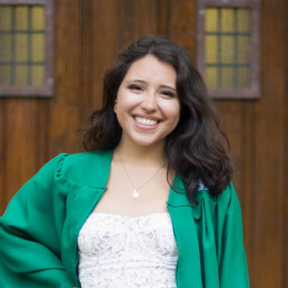 I believe that the future of philanthropy relies on taking a community-centric approach. This means placing the community the nonprofit is serving at the center. It also means acknowledging philanthropy’s dark past and looking towards the future with a social and racial justice lens. It is the only way we can begin to collectively heal and bring equity to our communities. A key principle of community-centric philanthropy is valuing everything people can bring to the table besides money. This can take place in the form of time, items, talent or connections. Latinx people deserve a place in philanthropy because our community values are rooted in giving, especially the kind of giving that isn’t monetary.
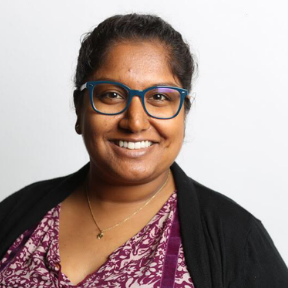 I am one of those fundraisers who “fell into fundraising” instead of seeking out this job in a more traditional way.
  I don’t have to tell you that our current system of grant funding is broken. Instead, let me share how two grantseeking experiences coming from different sides of inequity led me to where I am today — leading a software startup and building tools that make grantseeking more efficient and equitable for everyone.
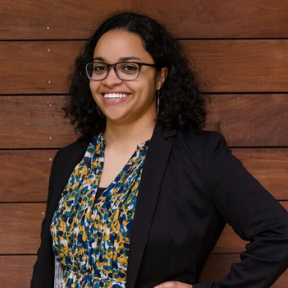 As of December 2020, Americans for the Arts reported that 60% of white creative workers and 69% of Black, Indigenous, Arab, Asian, Hispanic, Latinx, Middle Eastern, and Pacific Islander creative workers in the United States had become unemployed. The numbers are even higher in New York where I live. The total revenue loss for creative workers in 2020 was an estimated $77.2 billion, with an average of $15,140 per person — and 55% of creative workers do not have any savings.
 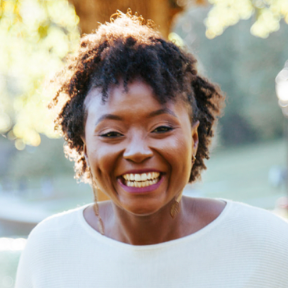 Cute commitments wrapped in bows ain’t cutting it. The thing that we, as Black people traumatized by shallow promises of systemic change, feared happened.
 It is a question we have all been asked at least once. An inquiry designed to awaken the dreamer inside and push you to think outside of the box. The question is big and consequential, often posed during team meetings or maybe as a strategic planning prompt. When asked, you’re told no response is off limits, which manages to inspire and overwhelm at the same time. The bigger your idea, the better.
  We are all familiar with how ‘standard’ businesses, organizations, and nonprofits typically operate. The structure usually resembles a pyramid — the base staff of employees start at the bottom, progress up in status until they reach the top, which usually consists of a CEO and/or executive team.