
 As I reflected on my own experiences and dug into the research, I discovered that the deep sense of betrayal and rejection was not only a reaction to being laid off, but it was a symptom of codependency, something that I had struggled with in my personal relationships but had never applied the framework to my professional life.
The Content Hub
The Content Hub is a free, educational resource featuring essays, podcasts, art, poetry, and practical fundraising guidance, completely resourced from the members—those who are new and those who are true to the CCF movement!
The Ethical Rainmaker: The Hidden Danger of Purity Culture, ft. Lorraine Nibut
 Purity culture is a form of supremacy and oppression — controlling and dictating how people express themselves, causing anguish and keeping us from our best work. Michelle and Lorraine Nibut talk about the many ways purity culture holds us down — and what we can do to fight back against it!
To stay or not to stay; that is the question.
 As the year is ending, and I enter my 3rd year fully integrated in the field of philanthropy and fundraising, the joke I have often been saying out loud is:
“I wish I was bad at my job.”
The Ethical Rainmaker: Why white people have a hard time being real, ft. Fleur Larsen
We could have sector wide transformation if white women could center and hold a clear commitment to racial equity. So what does that look like? Fleur breaks down some nonsense with ownership and responsibility in four calls to action.
Open call for MacKenzie Scott grants unleashes possibility
 We collectively benefit when these historically excluded groups are resourced in their leadership, ideas, solutions, and joy. However, when we miss this lens, funders inadvertently perpetuate further marginalization and exclusion.
A Christmas Carol, updated for our times
 Charles Dickens’s novella a Christmas Carol is a timeless classic. It was first published in 1843 and has never gone out of print. But 1843 is nearly 180 years ago. It’s time for us to update the story to be more relevant to our times.
The Ethical Rainmaker: Patagonia did WHAT? ft. Andy King
What’s up with the controversies around Patagonia’s generosity? Michelle is discussing shock tactics, wealth hoarding, trust issues and more, with “The UK’s most influential fundraiser,” Andy King!
Leading with trust: Our (successful!) experiment with Transformational Capacity Building
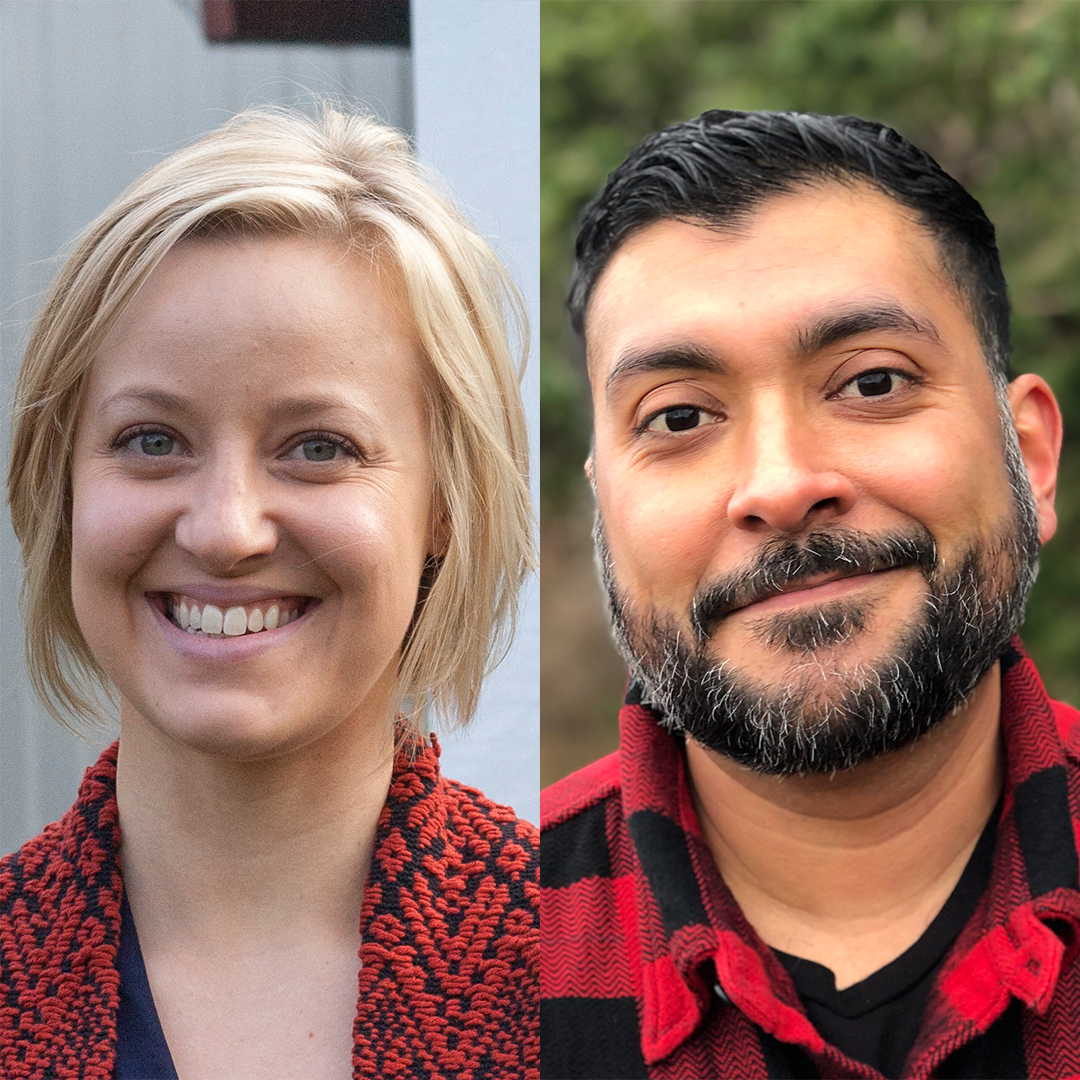
By josh martinez and Sarah Benner-Kenagy
 One of the biggest stressors in the world of social services is money. Who has it? Who needs it? What does the person who has it want in return for giving it to the person who doesn’t? On a person-to-person level, most people don’t attach strings to the dollar they give to someone on the street (and if you do, please stop!). But on a funder-to-organization level, we have strings a-plenty! Why is that? What if there was another way?
Why must the white cis nonprofit workers angry react to all my posts? Ep: Always challenge transphobia
 Try as I might to focus on my day job two days after the mass shooting at Club Q in Colorado Springs, I can’t. I can only think about what I want my cisgender heterosexual friends, family, and coworkers to know about what it’s like to live in my skin…
The Ethical Rainmaker: Are we even evaluating what matters? ft. Dr. Marcia Coné
In a world where tech money wants us to quantify our work, what is truly meaningful and how do we change? Michelle talks with Marcia about Equitable Evaluation Framework and how our practices are so wrong and how to do better.
A message of support by the Community-Centric Fundraising Global Council for AFP Chicago’s open letter to AFP Global
 One of the core values of the Community-Centric Fundraising movement is that of Courage. We must challenge the way things are done and take bold action if we want to see the change that is needed to create equitable fundraising practices. For this reason, we support efforts which advocates for safe and healthy environments for fundraisers to do good work.
Why must the white cis nonprofit workers angry react to all my posts? Ep: White women, stop gatekeeping progress
I thought it was just a problem I was experiencing: white women gatekeepers in justice, equity, diversity, and inclusion (JEDI) work. But, I was attending The Adaway Group’s Whiteness at Work Training (I highly recommend this training for folks working at predominantly white institutions!) when Desiree and Jessica began talking about it explicitly.