The scarcity mindset may serve you as a fundraiser, but it will harm you as a leader

The scarcity mindset may serve you as a fundraiser, but it will harm you as a leader

By Esther Saehyun Lee, new fundraiser, young leader, and Scorpio

I entered the nonprofit sector in 2021 after completing a fundraising certificate— of which I finished in my living room during the series of city lockdowns after losing my job in the restaurant industry. In my courses, I was taught about “donor cultivation cycles,” why you should count how many “you”s are in your communications, and about “the ask.” I was taught many practical, useful skills about the art and science that is capital “F,” Fundraising.

I had entered the fundraising certificate course unsure about whether this industry was right for me. As I plowed through courses like “Marketing for Nonprofits” and “Annual Giving,” I kept waiting for some affirmation that this was the right fit for my values and my skill set. 

Strangely, it wasn’t until I read the phrase “feast or famine” that I felt a sense of affirmation. Reading about how nonprofits navigate this extreme oscillation between scarcity and overwhelming comfort and stability sounded so familiar to me. Reading about how this M.O. is harmful was more fascinating still. 

It was interesting to read a detailed explanation for why the mindset of “feast or famine” was harmful because this model of living had been my entire way of life.

Traditional fundraising doesn’t let you ever stay comfortable in the “feast” phases of the cycle.

I’m not surprised with how I landed in this sector because I now understand that I gravitated to this industry where a scarcity mindset is not only encouraged but is considered the industry standard.

I am never comfortable with the “feast” of life. No one that has experienced sustained scarcity ever is. 

Anyone who has experienced poverty viscerally understands the phrase “feast or famine.” If you’ve grown up with the utilities turned off sporadically, have had to move several times and uproot from your school, your friends, and your neighborhoods in search of affordable housing, or have come home to paltry pantries, you understand scarcity. But more importantly, you know scarcity, like a distant relative that overstays their visit, but you don’t have the heart to tell them to get out.

It has been years since my family and I have felt the sting of poverty, and yet, I think for all of us, we know that if we were to lose everything today, the shock of destitution wouldn’t surprise us. As I said, it’d be like that distant relative showing up at our door, telling us it’s just for a couple days, but we know it’s for several months, maybe years. 

In some ways, familiarity with scarcity can feel like it’s equipped me for this industry. Nothing surprises me. I’m never comfortable with what I have, and one outcome that is beneficial to navigating a capitalist world that values a person’s productivity more than humanity, is that this background equipped me with a tireless work ethic. This work ethic has translated into opportunities. Which eventually landed me in the nonprofit sector. I’m not surprised with how I landed in this sector because I now understand that I gravitated to this industry where a scarcity mindset is not only encouraged but is considered the industry standard

Fundraising doesn’t let you ever stay comfortable in the “feast” phases of the cycle. If everything’s great, you’re probably not doing enough. You secured a major gift? Great, but what money did you leave on the table? Oh, and don’t forget that meeting your goal is actually not enough; you’re supposed to spend months strategizing and deciding on a feasible revenue goal, only to try and blow it out of the water—anything less will be considered a failure. The capitalist intersection with nonprofit practices creates this insatiable monster of a machine called “revenue goal”— and it is never full. It can be a perfect environment to nurture imposter syndrome, model minority myth, internalized capitalism, or, to put it more concisely, harm. 

If you’re from a systemically oppressed group, if you hold an intersectional identity, scarcity is what you’re taught as a mode of survival. It’s not something you can reflect on because it’s not something you can get distance on because it’s just your way of being. Scarcity fuels you to apply for the job, feel grateful that they wanted you, accept systemic racism as a norm, accept misogyny and condescension as a small price to pay to have a job that puts a roof over your head and food on the table. Scarcity will tell you that these indignities are a rite of passage to have a job that can cover your basic needs. 

And it’s something I’ve consciously (or unconsciously) accepted as fact. Until recently. It wasn’t until I was tasked to lead a team that I was forced to confront the extent of harm this scarcity has done and realize my own complicity in perpetuating its damaging effects. 

Unmitigated responses to the fear of scarcity harms others

And now, this modus operandi of scarcity, which has always been harmful to my mental, emotional, and physical health, is, for the first time in my life, harmful to the work I’m doing.

In this transition to a leadership position, I’ve had to deeply reflect on the harm I have been perpetuating to myself and others. The most difficult part of my role, by far, is being reflexive and aware enough to ensure that I don’t perpetuate the very same problematic leadership practices I have grown and worked under. 

For the first time in my professional life, I can see that my response to the fear of scarcity doesn’t just harm me; it harms others. When I operate out of scarcity, I model the exact same oppressive leadership that I was taught and operated under. This model of individualism and perfectionism is seeped into all our bones but it was not until I entered a leadership role that I could see the nuance of its devastating effects.

When I’m operating out of scarcity, I can’t see my team as the brilliant, kind, hilarious, and creative human beings they are. I can only see the tasks, lack, and metrics. And I start speaking in corporate jargon like “optimize workflow,” and “bandwidth,” and “parallel path” (I’m just joking about the last one, I have no idea what it means) and frankly, stress everyone out. I can only see what work they produce instead of the people they are

Scarcity may feel like it serves you as a fundraiser, but it definitely will harm you as a leader.

In my role, in my department, in my organization, we are actively fighting against modeling values of individualism and perfectionism. The model of survival I’ve been living, using scarcity as a driver, something that has served me professionally and helped me get to this position, is now a hindrance. 

I’m now in a role that is trying to build my team up, build our community, and imagine a different and fairer world. I’m in a department and organization committed to moving the needle toward equity. I’m in a fundraising role that operates with the tenets of Community-Centric Fundraising. My team (including myself) consists of five immigrant women of color with lived experience with gender-based violence, an acute understanding of oppression, and an unflinching commitment to equity practices. And now, this modus operandi of scarcity, which has always been harmful to my mental, emotional, and physical health, is, for the first time in my life, harmful to the work I’m doing.

How often do we say that in this capitalist hellscape we live in?

Overcoming the scarcity mindset for better leadership

My role is now to imagine and make space for myself and my team to feel safe and secure enough to risk, to innovate, and to dream. Innovation requires courage. Courage requires vulnerability. Scarcity won’t allow room for any of it.

For so much of my life, I have thought that this mindset of scarcity was innate. And it’s only now, with the internal work I do with my supporting mentors, coaches, therapists, friends, and colleagues that I’m realizing it’s taught. I’ve been taught by white supremacy that I should be grateful to work twice as hard for half the credit; I’ve been taught by capitalism that my value to the world is measured by my productivity and salary; I’ve been taught by the nonprofit sector to hoard money and resources for individualist gain rather than collective good.

These are lessons I refuse to pass on to my team. 

My role is now to imagine and make space for myself and my team to feel safe and secure enough to risk, to innovate, and to dream. Innovation requires courage. Courage requires vulnerability. Scarcity won’t allow room for any of it. 

In my new position as a leader, I have to ensure that although this world doesn’t see us, let alone appreciate us, and actively harms us in multiple ways every day, my team knows that they are worthy of love, respect, and trust. This shift to a leadership role has really forced me to reflect on what internalized toxic practices I am operating from, confront them, and keep myself accountable. 

My role as a community-centric fundraiser means that I am ensuring that we are serving our communities in a way that honors their autonomy and power. It means that my role requires that I hold myself, my team, and my community accountable to equitable practices. 

This is the real work of a leader. This is the true work of a fundraiser. 

This experience and privilege of leading this team has been the most challenging and rewarding experience of my life. And I am forever grateful to my team for trusting me as I navigate this next chapter of my career and life. Watching them flourish, collaborating with them, imagining a new world with them, dismantling harmful fundraising practices, and questioning how and why we do things, these are now the affirmations I need to know this work is right for me.

I’ve since tossed out the term “feast or famine;” it serves no purpose for me. 

“Being a fundraiser,” as Edgar Villanueva said, “is to be a resource mobilizer.” The role requires you to be a visionary.

I entered this sector because I had the trust and optimism that together, we can make change and we can leave this world a better one than we entered. I’m now in a role that requires me to imagine and build this change. Every day, I am reminded of this. 

You cannot imagine when you operate out of scarcity.

You cannot vision when you operate out of scarcity.

You cannot build out of fear. 

So, fellow visionaries and resource mobilizers: I invite you to take a breath with me and say the following words,

“Scarcity no longer serves me.”

And what I’m learning now, especially as a leader, “It has never served me.”

Esther Saehyun Lee

Esther Saehyun Lee

Esther Saehyun Lee (she/her) is most well-known by her peers as an excellent meme/personal emoji creator, and creative co-conspirator. As the Manager of Development and Communications at North York Women’s Shelter, Esther and her team are building a development program that practices CCF principles. She continues to create space within systems of oppression to develop engagement and fundraising practices that reduce harm and center community voice and action. She joined the nonprofit sector because of the CCF movement and is honored to be a member of the CCF Global Council to continue to hold the sector accountable in its mission and values. As a feminist killjoy and unabashed nerd, she is committed to creating environments that are centered in laughter, curiosity, and justice in the work of equity. If you’d like to tip me for this article, make a donation to Butterfly Sex Migrant Support Network. Find her on LinkedIn.

Yes, you too: calling collusions out

Yes, you too: calling collusions out

By: Maria Rio10+ years of experience in nonprofit project/people management

The deeper I dive into CCF, the more I realize how much we have been harmed by power-hoarding and paternalism: key tools of white supremacy. Secrecy, exclusion, and collusions have hindered and oppressed racialized individuals in our sector. By “collusions,” I mean closed-door, non-transparent decision-making between those with power. These conversations do not include all affected parties. They maintain the status quo and cater to those in power; the results presented to those most harmed as final.

An example of collusion I’d like to share happened earlier in my career. A colleague, let’s call him Jeff, and I had been tasked to run a key Q4 campaign for a face-to-face fundraising agency. As Project Managers, we worked 12 hours a day encouraging our team, creating a fun work culture, and managing goals. This campaign exceeded the goals we had set with the client by 30%. It was a national success and led to the client signing their first full-year contract.

When Q4 ended, our manager decided that the upcoming full-year contract would be run by one Program Manager. We would need to apply for a role that we had already both been doing for months. One of us would end up reporting to the other.

This sounded ridiculous to me: how could Jeff and I go from being equals to not? One of us was going to receive a sizable reward while the other would basically be demoted. Yet, we both had worked the 12-hour days that solidified a massive contract.

While I resisted the idea, he did not, leading us both to interview. In the end, he received the role of managing me and our team. When I confronted Jeff about how betrayed I felt by him and how he had benefited from my detriment, he cried. Jeff was someone I considered a friend, who had hurt me, and who was now seeking comfort.

Reflecting on it now, it’s hard not to notice that Jeff and my manager, along with that person’s managers, are all white. Instead of refusing the proposed plan, Jeff had side conversations with our manager. They were in agreement pre-meeting and presented things to me as if they were final.

I see now that I challenged my manager’s power by arguing against cutting our staff’s metropass benefits or paying for travel time. To my surprise, Jeff was okay with cutting the metropass benefit. He agreed that paying people for required travel should stop. It seemed so out of character, but I later understood it was our manager’s way of coaching him toward the role we both deserved. He landed the role because he did not challenge decision-making that did not impact him personally.

I share this story with you because I know how deeply collusions can hurt, even if you don’t mean them to. By weaponizing exclusion or aligning with those with power for your benefit, you too could be harming a friend.

Let’s explore some of these impacts on a wider scale:

Blindsiding: It has already been decided

Blindsiding results from non-transparent decision-making by those in power. Staff, partners, and community members feel excluded and end up distrusting leadership. This creates a sense of instability due to uneven access to information.

Backroom conversations usually exclude most, if not all, parties harmed by the decisions made. The decisions are then presented as final, without input or consideration for the perspectives of those affected.

How this may look at your organization:

  • Staff, volunteers, and community members do not understand how decision-making occurs. They do not have a say in the process. i.e. a program ending without community consultation.
  • Key decisions around budgeting, strategy, and programming are not made collaboratively. Even those involved may not be privy to all the information held by those higher up.
  • Decisions made as a team can be easily reversed or changed by a small group of individuals. i.e. all staff vote on a strategic direction, only for the ED or board chair to veto it.
  • Those in power control what information is shared and with whom. This results in feelings of powerlessness among those without access to information.

Antidotes:

  • Ensure all affected parties take part in decision-making. They should be able to impact the strategy and outcomes.
  • Once a decision is made as a team, it should only be undone by a team. This may happen as a result of having new information, which should be shared with the team.
  • Decision-making processes should be clear to each person in the organization. Staff should feel secure knowing their expertise is included. They should know who they can reach out to about a decision-making process.

Exclusion: If you know, you know, you know?

Exclusion, or failing to include all impacted individuals in the decision-making process, creates imbalanced relationships.

Exclusion is an element of collusion that harms the organization and its people. By not inviting people to give input or collaborate, a board or leadership team often fails to address concerns or support staff. Those excluded often bear the consequences of these failures.

How this may look like at your organization:

  • Those in power present their own opinions as if they represent the views of the entire group. This discourages open dialogue; i.e. a board chair deciding “the board doesn’t feel that is important” without input
  • Those without power are asked to participate superficially; their input is not valued; i.e. most DEI initiatives.
  • One-sided communication: knowledge flows from those without power to those with it. Orders flow from those with power to those without. This lack of mutual exchange of information and perspectives prevents true collaboration.
  • A small group of individuals are “in the know” and hold most of the power and decision-making abilities.
  • Constant confusion. Things understood as urgent or unignorable by those without power are ignored by those with power. i.e. poor management practices.

Issues occur when those in power don’t understand the perspective of individuals for whom they are making decisions. Exclusion, or failing to include all impacted individuals in the decision-making process, creates imbalanced relationships. It harms the organization’s ability to address concerns, support staff, and work effectively as a team. For example, boards not including staff or service users in strategic planning could lead to important programs being cut or staff feeling devalued or powerless.

Antidotes:

  • Inviting everyone to meaningfully join in decision-making and ensuring everyone has equal access to information. This builds trust and is respectful of the ripple effects caused on people’s lives outside of work. It is also an opportunity to value the range of skills and insight they bring to an organization.
  • The Board or management not hoarding significant decision-making power. Staff knowing how their insight will be collected, used, and implemented.
  • Clear timelines and policies to address exclusionary decision-making and build accountability.

Hoarding power: Not just for donors anymore!

By concentrating power in a small group, we often undermine the organization’s mission and values.

Power hoarding is a critical weapon of white supremacy, and nonprofits are not exempt from operationalizing it. CCF was founded on the values that donors should not be at the centre of our work, but that we should centre the community.

Power hoarding is a strong motivator for collusions; those in power stay in power, and those without cater to them. Who has power and who does not is palpable when it is hoarded. Examples include donors expecting nonprofits to create programs aligned with their personal interests, board members leaving their dishes and scraps for staff to clean, or EDs taking every media opportunity.

How this may look at your organization:

  • Only a few people have access to certain privileges, such as: digital access, physical space, benefit types, and information; i.e. some staff have a better benefits package than most.
  • Deliberately depriving people of key information, especially if being informed would lead them to act in opposition to the interests of those in power; i.e. not letting someone know that the org will lay off a significant number of staff, even if they will be affected or if it would benefit them to start looking for another role.
  • Performance evaluation, staff meetings, strategic planning, and policy-making only go one way: top-down.
  • Unclear processes around whistleblowing, harassment, HR decisions, or negligence.
  • Those in power act to keep the organizational structure as is. They may cover up abuses of power or negligence, hinder change, or push out people looking to make change. There is a fear of losing power, and it is treated as a limited resource. I.e. an abusive ED insisting they be the only contact for the board so they may tell the board lies about the “weekly” check-ins they are having with support staff.
  • No pay transparency or weird discrepancies; i.e. the ED is expected to take a lower salary because her partner works in real estate.
  • Those in power defend themselves against accusations of racism, oppression, complicity, or toxicity instead of taking time to reflect and put in place changes the organization needs; i.e. not addressing toxicity caused by a board member.

Power-hoarders thrive in places where they can actively discourage others from raising concerns. Places without accountability. By concentrating power in a small group, we often undermine the organization’s mission and values. By catering to those in power or maintaining the status quo, the cycle of having performative leadership continues. Passive and non-transformational.

Antidotes:

  • Equal and proportional access to resources an organization has, regardless of “status.” Information, physical space, and vacation time are all good examples.
  • 360 reviews, unions, clear and actionable policies.
  • Pay transparency, annual compensation reviews indexed to market rates.
  • Operationalize standards around what is and is not acceptable, and stick to them regardless of who the perpetrator is.

It is disheartening to have personally experienced the negative effects of collusions. Our leaders must act to address how white supremacy harms our sector’s people. Being silent in the face of these issues harms those of us who see this work as aligned to our lived experience. It pushes disillusioned professionals out of the sector. 

If invited to collude, please reflect on who is excluded from the conversation, who will be affected, and who will benefit from the decision. Once the harm is done, there is no way to undo it, and it may leave a deep scar.

Consider the power dynamics within your organization. Strive for true collaboration and equity. Remember those who are not at the table may be impacted by decisions you make behind closed doors, without their input. Consider if benefiting at the expense of others, diminishing their contributions and power, making decisions about their lives without their consent, or maintaining the status quo truly aligns with your values.

Maria Rio

Maria Rio

Maria Rio (she/her) is a fundraising consultant with Further Together with 10+ years of non-profit experience. She is regularly asked to speak on issues related to fundraising and her op-eds have been featured in national publications. She was a finalist for the national 2022 Charity Village Best Individual Fundraiser Award and has a deep passion for non-profit work. Maria also sits on the Board of Living Wage Canada.

You can connect with Maria through Further Together or through LinkedIn.

“I know enough to be dangerous”

“I know enough to be dangerous”

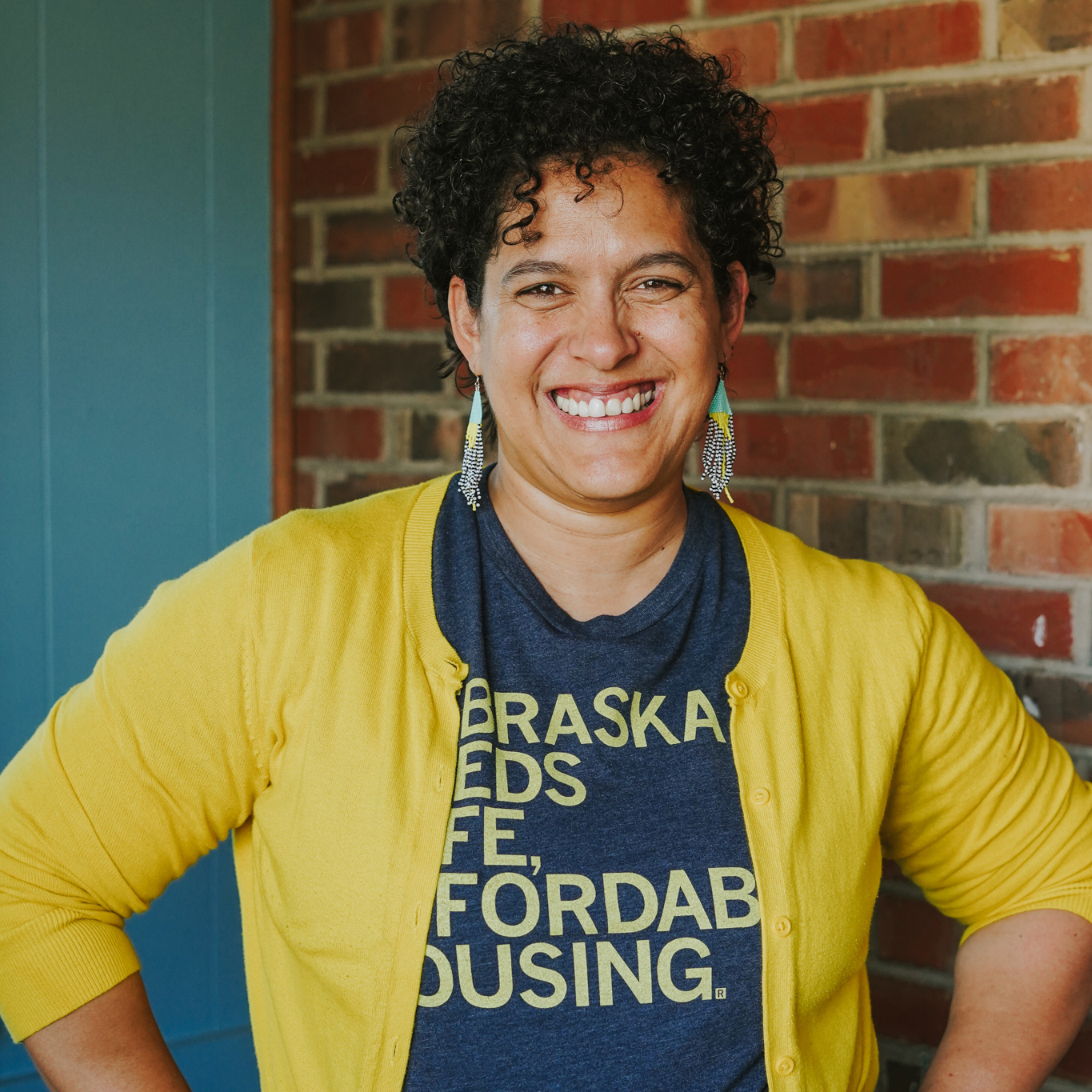
By Naomi Hattaway, #LeavingWell Consulting

File under: Things that make me tired.

Every single one of us is a leader. Our kitchen tables are our most powerful platforms, the community trust we hold is potent, and we frequently share similar experiences in our personal and professional lives.

We bolster each other by encouraging our colleagues and friends to lean into their leadership traits and prod them to own (and use) their voice. We uplift and sponsor each other’s work and greatness by sharing it as far and wide as possible, and when we are given the opportunity to link arms with each other to strengthen the collective or further the mission, we jump at the chance.

And yet, time after time (after time after time after time), we witness the actions of those privileged with decision-making power — often white, cis, het, abled — being contrary to what we strive for every day.

Before I share the rest of this article, please note that it’s been written for two audiences. One audience is folks in positions of power and leadership; I’m calling you in with this article. As you read the following, note whether you see yourself in the behavior below, and pay attention to the recommended language and attitude shifts.

The other audience is folks who witness those in positions of power and leadership shirking their responsibility of leadership simply by uttering the six words, “I know enough to be dangerous;” I’m nodding in your direction and letting you know that I see you.

The ways in which incompetence is weaponized against marginalized colleagues

Raise your hand if you’ve heard these words spoken by folks who have been given the mantle of leadership by title: “I know enough to be dangerous.”

Definition

When someone, typically in a position of authority, has basic competency in doing something, but they are unwilling to admit they don’t have the necessary knowledge or expertise for the task at hand.

Upon hearing this phrase, we politely chuckle or offer a waning smile. It’s just self-deprecating enough from the person using the phrase that we offer a pass and let it slide.

Would we react the same if the speaker had said something more honest, like:

I don’t know enough about this but I’m claiming I do.

Or

I know just enough to be baseline effective.
I know enough to get the job done.
I know enough to hold on to my trustworthiness.
I know enough to maintain mediocrity.
I know enough to be overly confident about what I’m about to say.

Would we still let it go by unchecked? Would we still chuckle?

In the article “Things to Stop Saying,” Dan Slaski asks the questions about those who use this phrase: “Why did they choose to step out of their area of core competency? Why have they chosen not to ‘stay in their lane’?”

“The side effects [of the phrase “I know enough to be dangerous”] are often demeaning, deleterious, and downright destructive.” -Dan Slaski

My assertion? The phrase “I know enough to be dangerous” is actually a tool of weaponized incompetence.

Definition:

Weaponized incompetence (sometimes more softly referred to as strategic incompetence): a behavior pattern used when someone pretends to be bad at something to defer or deflect responsibility to another person.

Weaponized incompetence can look like someone playing innocent, doing a task poorly, or reverting to someone else because “you’re better at this than I am.” It can lead to a toxic work environment, and breed distrust among collaborators on a project. For those recently hired into positions of authority, strategic incompetence is often used as “cover” for being new on the job.

This is especially troublesome behavior when conducted by individuals and systems who consistently uphold white-dominant (often also male-dominated) practices. In my personal experience, I have yet to hear someone who holds a marginalized identity utter this phrase. It’s never happened. I’ve only heard the words “I know enough to be dangerous” from white folks in leadership and decision-making positions.

In reality, it shouldn’t be a big deal to just admit to whatever context we don’t know. The systems we all swim in are complicated and intentionally built to hold a certain level of complexity. No one person will ever know all there is to understand, say, how to end homelessness or permanently solve the affordable housing crisis. Wouldn’t it be better if we all stepped into a posture of humility and shared power by stopping the use of that phrase?

Enter the Dunning-Kruger Effect, which occurs when a person’s lack of knowledge and skills in a certain area causes them to overestimate their own competence. By contrast, this effect also causes those who excel in a given area to think the task is simple for everyone and underestimate their relative abilities as well.

Perhaps this is simply about a lack of confidence, a literal knowledge gap, or in some cases, imposter complex. In my opinion, it doesn’t matter the details of where the phrase comes from. The impact and harm felt is the same whether the words are uttered from a place of naivete or spoken with intention.
Dr. Gleb Tsipursky notes the following about this effect: “One rule of thumb is to go on high alert when we’re dealing with a complex issue, and we notice a pleasant feeling of certainty.”

To those who have said those words before, I offer two words in response: Stop. It.

It’s a phrase that should be removed from the speech patterns of every single person in a leadership position in the nonprofit sector.

In just six steps, matching the number of words in that terrible phrase, do this instead:

  1. Stop saying those words. Literally. Put a rubberband on your wrist and when you’re tempted to utter the phrase, snap that rubberband and course-correct yourself.
  2. Whenever you’re tempted to speak those words, be grown enough to instead say, “you know, I’m not sure about that” or “I don’t know the answer to that.”
  3. Then, go learn the answers, and explore possible solutions. If and when it’s applicable, compensate the person behind that knowledge.
  4. Hand the mic to your staff who do know enough to be impactful. There is a misnomer in the nonprofit world that frontline, program, director level, and individual contributor employees do not possess the right knowledge set for certain meetings or to lead development updates with donors. I’d offer that the true barrier for the majority of those staff members is that budget choices and decision-making power is being withheld by the very people who … know enough to be dangerous.
  5. If you just can’t seem to break the habit of saying, “I know enough to be dangerous,” try these instead: “I know better than to insert my thoughts here. I’d like to ask my colleague to speak to this” or “I realize I’m out of my scope on this topic, and I don’t know the answer.” Even this option would be an incredible pivot: “I’m new to this organization and am soaking in everything I can. I don’t know the best next step, so I’d like to bring my team in to help and assist.”
  6. Share this lesson with others who need to hear it. Bonus points go to those of you who recognize this habit in yourselves and also bring others along in the journey. Keep your ears open for moments when you hear the phrase uttered by others. Call them in and help spread the ripples of responsibility!

To those who are on the receiving end of those words: help stem it.

If you are on the receiving end of the phrase, or on the other side of the video call screen when the phrase is spoken, what can you do at that moment?

Copy and paste this article link into the chat, of course!

If you feel you have a certain level of relationship with the leader-by-title, consider offering this response — in the moment, or at a later moment that feels aligned:

“If I might share some feedback? You just said: ‘I know enough to be dangerous.’ I’d like to offer that it’s a super loaded and damaging phrase that can often cause actual danger. I recently read an article that I’d love to share with you that offers some alternatives.”

If you’re sharing space (in person) when you hear this phrase, it can feel a bit more intimidating to address it at the moment. You also might feel uncomfortable sharing your thoughts due to your role, title, or position at the organization or the power dynamics at play.

In that case, know that I see you! Simply knowing you’re not the only one experiencing the impact of this phrase might be just enough support to simply keep your lips pressed firmly together as you choose not to respond with a half-hearted chuckle or a forced smile.

I imagine a future where those in leadership roles regularly examine their behavior and actions, and practice radical and candid honesty about their own competence. I also can see a future of leadership that prioritizes shared power and opportunities to truly co-lead. I have a vision that we will say “remember back when folks used to use that phrase?” I hope for the day I can tuck the phrase “know enough to be dangerous” away in the file: Things they used to say.

Naomi Hattaway

Naomi Hattaway

Naomi Hattaway (she/her) is passionate about community building, diversity, and accessibility in online and physical spaces. Naomi serves in executive leadership at Front Porch Investments and led COVID-19 eviction prevention and rental assistance program, and Winter Plan non-congregate shelter efforts in Omaha, Nebraska. She serves on the Board of Directors for several nonprofits, and consults with organizations on communications strategies, inclusive program design, board effectiveness, and housing solutions. Naomi recently launched #LeavingWell consulting, a practice for individuals, organizations, and boards in periods of transition (providing org assets protection, purposeful knowledge transfers, stability for “The Stayers”, and support for those leaving). You can find her on Instagram and Twitter, and buy her a coffee if you enjoyed this article.

The price of passion: how codependency flourishes in nonprofit careers

The price of passion: how codependency flourishes in nonprofit careers

By Justin Cannady, Inclusion-Focused Design

I wore all of this like a badge of honor. No… more like a shield of invincibility. I had heard that everyone is replaceable, but I knew I wasn’t.

In 2019, I worked an average of 70 hours per week at a national nonprofit organization.

At the time, I prided myself on my dedication and hard work. Others in the organization could rely on me to go the extra mile. I even solved the problems that had nothing to do with my job. I wore all of this like a badge of honor. No… more like a shield of invincibility. I had heard that everyone is replaceable, but I knew I wasn’t. I was the senior manager of our online learning strategy and implementation—a critical role in the new post-Covid world.

In the spring of 2021, I was laid off.

Despite my dedication, innovation, and the years of hard work I had put in, I was told that I was no longer needed. I felt embarrassed, disappointed, and, among several other emotions, betrayed. I felt rejected by the organization to which I had given so much. Though I had not experienced this sort of trauma before, it felt strangely familiar.

As I reflected on my own experiences and dug into the research, I discovered that the deep sense of betrayal and rejection was not only a reaction to being laid off, but it was a symptom of codependency, something that I had struggled with in my personal relationships but had never applied the framework to my professional life.

What is Codependency?

In a nonprofit organization, where resources are often limited and there is a constant need for help, individuals with codependency may be drawn to the environment.

Popularized by Melody Beattle’s book Codependent No More: How to stop controlling others and start caring for yourself, codependency can be described as an addiction to prioritizing others’ needs over your own. A person suffering from codependency often excessively relies on others for approval and identity because of their own lack of self-value. I describe codependency as an addiction to people.

Having a former partner that suffered from addiction, I understand the endorphin-fueled fix that accompanies approval from others. I also know that the fix is never enough to be satisfied; if years of 70-hour work weeks didn’t satiate, then nothing would have curbed the cravings.

I, like most individuals with codependency, often have difficulty setting boundaries and feel a strong desire to be needed by others. This led me to become enmeshed in the problems of others and to put the needs of others before my own.

In a nonprofit organization, where resources are often limited and there is a constant need for help, individuals with codependency may be drawn to the environment. They may be willing to sacrifice their own well-being in order to help others. This can be especially problematic in a nonprofit setting, where a person with codependency may be taken advantage of or become overextended, leading to burnout and other negative consequences.

Soulmates: Codependent Behaviors and Nonprofit Careers

Codependent behaviors are learned responses to past experiences. We don’t arrive on this earth addicted to people, but through our early experiences and trauma, we learn the unhealthy coping mechanisms of codependency.

It’s not uncommon for people in the nonprofit sector to feel like they’re working harder than ever but not seeing the results they want. I was drawn to the nonprofit world because of its purpose and mission and because it gave me a sense of security that my work was being valued and appreciated. I observed many of these same traits and behaviors in other individuals with codependency. Like magnets, individuals with codependency and nonprofit organizations seem to have a distinct attraction to one another. Maybe it’s because of the need to be needed we have. Or a predisposition towards feeling guilty when we don’t contribute.

Whatever the cause, I realized that my dedication and long work hours had been driven by a deep-seated need for approval.

Codependency doesn’t live in a vacuum. My codependency grew every year until my layoff in 2021. Each year, I volunteered for more work with little to no additional compensation, just because “that is what a hard-working educator should do.”

Looking back, I never remember having an organizational leader, school administrator, or supervisor who checked in about the amount of work I was taking on. Most of the time, I was encouraged to do more (especially when I worked in a high school). Much less often, there was the pseudo-empathic statement from a supervisor to “remember to take care of yourself” while also mentioning all of the extra projects that they needed to finish. The veiled meaning was “look at how hard I am working; you need to work this hard too.” I know my supervisors had this same conversation with their bosses. After all, the apple doesn’t fall far from leadersh… I mean, the tree.

Codependent behaviors are learned responses to past experiences. We don’t arrive on this earth addicted to people, but through our early experiences and trauma, we learn the unhealthy coping mechanisms of codependency. Since nonprofit organizations are often under-resourced, the codependent behaviors of these individuals thrive well in these environments. Individuals with codependency don’t mind pushing themselves beyond their limits or leaning in to do the work of multiple people, because it gives them a sense of purpose and feeds the need for validation.

Unfortunately, this often goes unrecognized and unacknowledged and leads to burnout.

There is Hope

Maintaining healthy boundaries, recognizing and communicating one’s needs, advocating for oneself, and creating a healthy work/life balance are important steps to avoiding burnout.

Many individuals in nonprofit work are naturally drawn to the sense of purpose that comes with this type of career. Still, persons with codependency must be vigilant about how this can lead to burnout. These individuals and leaders in nonprofit organizations should be aware of the top concerns of people with codependency:

  • Concern: Individuals with codependency often have difficulty setting and maintaining healthy boundaries. They may say yes to every request, even if it means working long hours or taking on additional responsibilities.
  • Solution: I have found setting small boundaries in ALL aspects of life (not just work) allows me to become stronger in setting work boundaries. As a recovering codependent, this was an extremely difficult first step. The beginning of my journey started with Codependent No More: How to Stop Controlling Others and Start Caring for Yourself by Melody Beattle and my therapist.
  • Concern: Individuals with codependency often find comfort in the fact that there is no cap on how much work they can do to receive recognition and approval. The struggle stems from a sense of self-worth tied to praise and recognition.
  • Solution: I found constant reminders and daily affirmations were most effective when I was building the idea of my self-worth. There was a point in my life when I thought I couldn’t be loved if I wasn’t doing enough for others. I created a Codependent Printout (based on the work of Nicole LePera) and hung 5 copies of it around my house — especially in places that I often look (e.g., next to my bathroom mirror, on the fridge, etc.). I read the words out loud every time I saw it hanging there. I thought it was silly at first. Then one day, I actually believed the words I was saying.
  • Concern: A person with codependency may struggle with feeling guilty or anxious when they are not working as hard as their colleagues or taking on extra responsibilities. It can be difficult to recognize that everyone has different capacities and capabilities.
  • Solution: Radically change your view of “work” by reading Deep Work: Rules for Focused Success in a Distracted World by Cal Newport and Do Nothing: How to Break Away from Overworking, Overdoing, and Underliving by Celeste Headley. If you don’t have the time, let me summarize it: We have been programmed to think hard work is divine and laziness is evil. We have also been programmed to think of work as production for others. The fact is that about one-third of a person’s life is spent at work (more for the active codependents). That’s a lot of time to dedicate to a company, coworkers, or anyone else. I started finding tasks and projects in my work that allowed me to gain fulfillment and satisfaction for doing them. Cal Newport (Deep Work) gives the analogy of a blacksmith making a sword — a good blacksmith takes pride and pleasure in their work; they don’t just bang on the anvil all day for someone else. Can you find your sword project in your work?
  • Concern: Individuals with codependency often have trouble communicating their needs, making it challenging to advocate for themselves at work. As a result, they may end up feeling undervalued and unappreciated in their jobs. Codependency makes it difficult to speak up and express one’s needs and feelings due to the fear of having difficult conversations.
  • Solution: Enter Brené Brown! My journey of building enough bravery to have difficult conversations began with Brené Brown’s TEDTalk, The Power of Vulnerability. From there, I read Rising Strong, which helped me build the resilience I needed from these difficult conversations. Though I recommend reading all of her work, Dare to Lead helped me understand how to have difficult conversations at work while being my authentic self.
  • Concern: Individuals with codependency suffer most from an unhealthy work/life balance. This is indicated by poor boundaries between work and home life, a lack of enjoyable activities outside of work, and a lean network of support. Individuals with codependency seldom take time off for themselves.
  • Solution: According to an article in U.S. Travel, American workers collectively gave up over 230 million vacation days in 2018 — about $65 billion. How much have you given up in previous employment or at your current employer? I found it was a lot easier to take a day off here and there instead of trying to bank up for large vacations. I also set a self-imposed cap on the amount of paid time off (PTO) I have. My limit: no more than 5 days.

Often, we walk on the edge of a cliff. Our codependency allows us to push the limits of our compassion, making us great assets for nonprofit organizations. However, untreated codependency can leave us burnt out, with no capacity for ourselves and our loved ones.

Maintaining healthy boundaries, recognizing and communicating one’s needs, advocating for oneself, and creating a healthy work/life balance are important steps to avoiding burnout.

Often overlooked is the power of a supportive network of friends, family, and coworkers. These individuals can provide emotional support, advice, and help when needed. The people in your support network can be valuable resources for you since they can help you cope with the challenges of your work.

In addition, leaders in nonprofit organizations must also play a role in ensuring that all employees maintain a healthy work/life balance. This can include setting a good example by taking time off, engaging in self-care, and vocalizing the importance of rest and self-compassion. By creating a culture that values and supports healthy work/life balance, nonprofit organizations can help to prevent burnout and ensure that all employees are able to thrive.

I still struggle with overworking, but I don’t work 70 hours anymore. I sometimes look to others for validation, but my day isn’t completely derailed if I don’t get it. Occasionally, someone crosses my boundary and I don’t respond, but I learn from it to see if I need to adjust my boundary or how to respond differently in the future. There are other small steps that I continue to take daily as I recover from codependency.

One of the most important steps I take is looking back and being grateful for the small (tiny, itty-bitty) steps I started to take years ago. Recovery from codependency is a process, and it takes time. What steps are you already taking? What is one small step you can take today? Continue to take small steps every day to prioritize your own well-being and to create a healthier and more balanced life.

Justin Cannady

Justin Cannady

Justin Cannady (he/him) is an experienced learning designer and equity champion. As the learning experience designer for the National Center for Computer Science Education, he is dedicated to creating engaging and inclusive learning experiences for students and teachers. As the founder of Inclusion-Focused Design, Justin is passionate about using his skills and expertise to promote diversity, equity, and inclusion in education and beyond. Contact him at justin@ifdesign.info to learn more about his work and how he can help your organization.

The Ethical Rainmaker: The Hidden Danger of Purity Culture, ft. Lorraine Nibut

The Ethical Rainmaker: The Hidden Danger of Purity Culture, ft. Lorraine Nibut

By Michelle Shireen Muri, Freedom Conspiracy Principal and CCF co-founding member


Episode Summary

Purity culture is a form of supremacy and oppression — controlling and dictating how people express themselves, causing anguish and keeping us from our best work. Michelle and Lorraine Nibut talk about large breasts, gun culture, our clothes, the sexualization of little girls, fetishization and consent violation … basically the many ways purity culture holds us down — and what we can do to fight back against it!

Episode Notes

Juicy episode alert! Michelle and Lorraine break down many aspects of purity culture and how this form of supremacy and oppression — controls and dictates how we express ourselves, causing anguish and keeping us from our best work. From large breasts, to Honey Boo Boo, the Atlanta spa shooting and fetishization, the Fyre Festival  and consent violation … Michelle and Lorraine explore the many ways purity culture holds us down — and what we can do to fight back against it! 

Links:

Lorraine’s recommends:

  • Present how you are most comfortable, unapologetically
  • Embrace your identities – own it and rise above the shamers
  • Speak your needs choose courage over comfort as courage can bring comfort
  • Express when something is uncomfortable for you
  • Face when your own discomfort is preventing you from your own success

About the Ethical Rainmaker podcast

In the United States alone, philanthropy is a $427 million dollar industry, of which 68% comes from individual donors. Yet the practices, theories, and foundation of modern philanthropy and fundraising often ignore the ways in which the industry perpetuates harm.

The Ethical Rainmaker, hosted by Michelle Shireen Muri, is a podcast that hosts authentic conversations grappling with the questions that we don’t often ask in the nonprofit world. Join us as we explore some of the practices that undermine our missions and navigate the way forward with today’s resisters, reimaginers, and the re-creators of the third sector. It’s time to think differently. 

Michelle Shireen Muri

Michelle Shireen Muri

Michelle Shireen Muri (she/her) is the co-chair of the founding Seattle chapter for Community-Centric Fundraising and the host of the podcast, The Ethical Rainmaker. She is the founder of Freedom Conspiracy, a small collective of fundraising consultants focused on bringing values-aligned practices to clients in the nonprofit and philanthropy spaces. @freedomconspiracy on Instagram. You can send her a tip via Patreon.