
 Decolonization does not have a synonym. It is a very literal refusal and re-creation. It is not a swappable term for improving schools, societies… nor a philanthropic foundation.
No, you can’t decolonize philanthropy, Part 1: A closer look at colonialism and decolonization
…the terms “decolonization” and “decolonizing” continue to rise into the mainstream of the nonprofit sector, yet their meaning is often diluted into a soft synonym for inclusion or diversity. As if we could simply sprinkle a bit of our colour and culture onto the white walls of charities and foundations and call it liberation.
A joint statement on proposed changes to SAM.gov registration
 SAM.gov is not a policy debate. It is not a grant application. It is the door. And this administration wants to put a political test in front of it.
Why CCF Family Reunion is different from other conferences: Centering BIPOC leadership and lived wisdom is non-negotiable
Now is the time for planning that guides us to step into our power
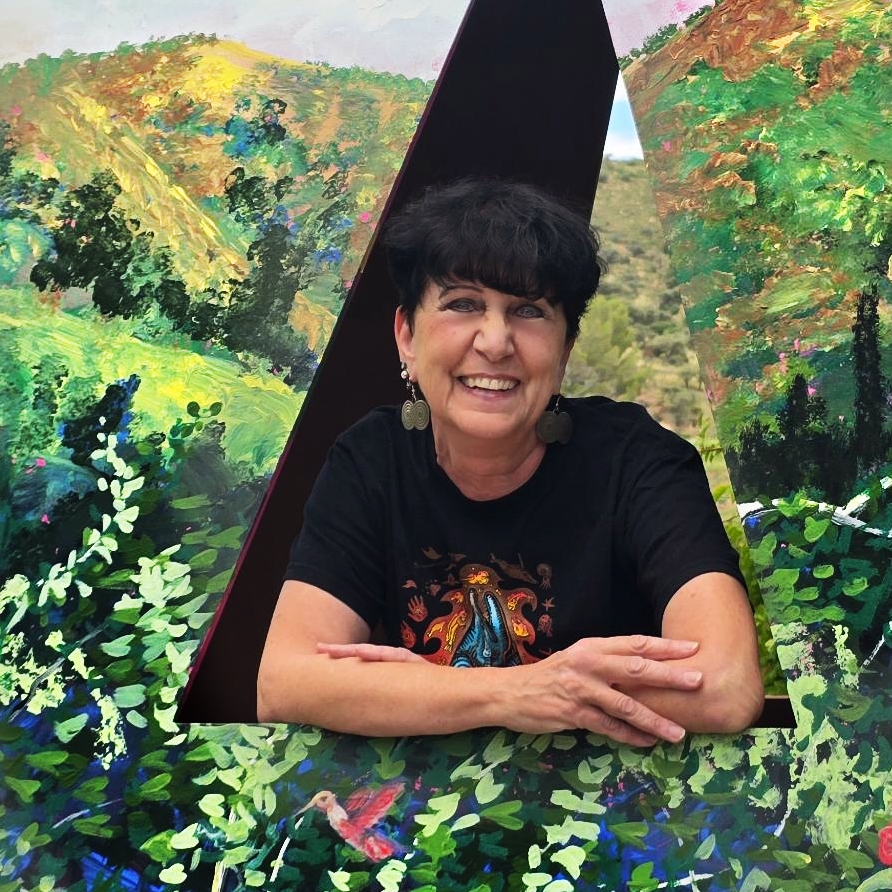 If all we do is resist and react in this moment, without also working to create what is possible, we are dooming ourselves to playing defense in perpetuity.
Fear, immigration policy, and the nonprofit sector
 Many nonprofit professionals are immigrants, children of immigrants, or individuals whose identities are deeply shaped by histories of migration and resilience. We carry with us an innate understanding of how immigration policy affects real families, but we also understand fear.
Access is not optional
 The poem is not an indictment but an invitation. It calls nonprofits and creative institutions to reimagine access not as a logistical hurdle but as a foundation for justice.
Understanding community and local voices is your strength when communicating for development
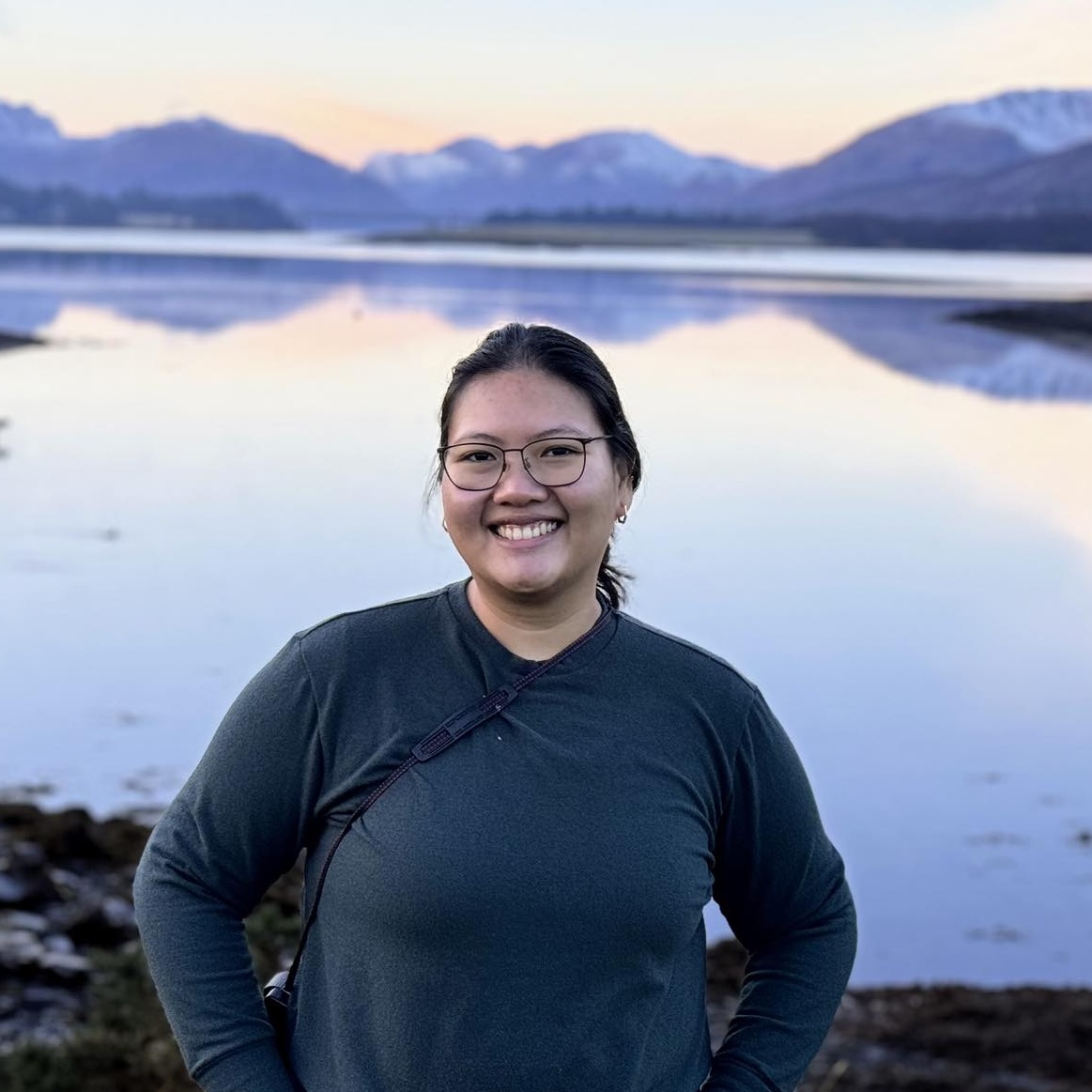 But here’s what no one tells you: navigating the technical side of the job is just one part of it. The harder part is managing the invisible expectations that come with being a person of color working in development, often under white, Western leadership.
Why CCF Family Reunion is different from other conferences: It’s about relationship, not just content.
Trauma-informed fundraising: Why urgency without care is costing us trust
 Trauma-informed fundraising does not mean avoiding urgency or sanitizing injustice. It means refusing to use pain as a shortcut.
Q: Why do nonprofits struggle to achieve their missions? A: Colonialism
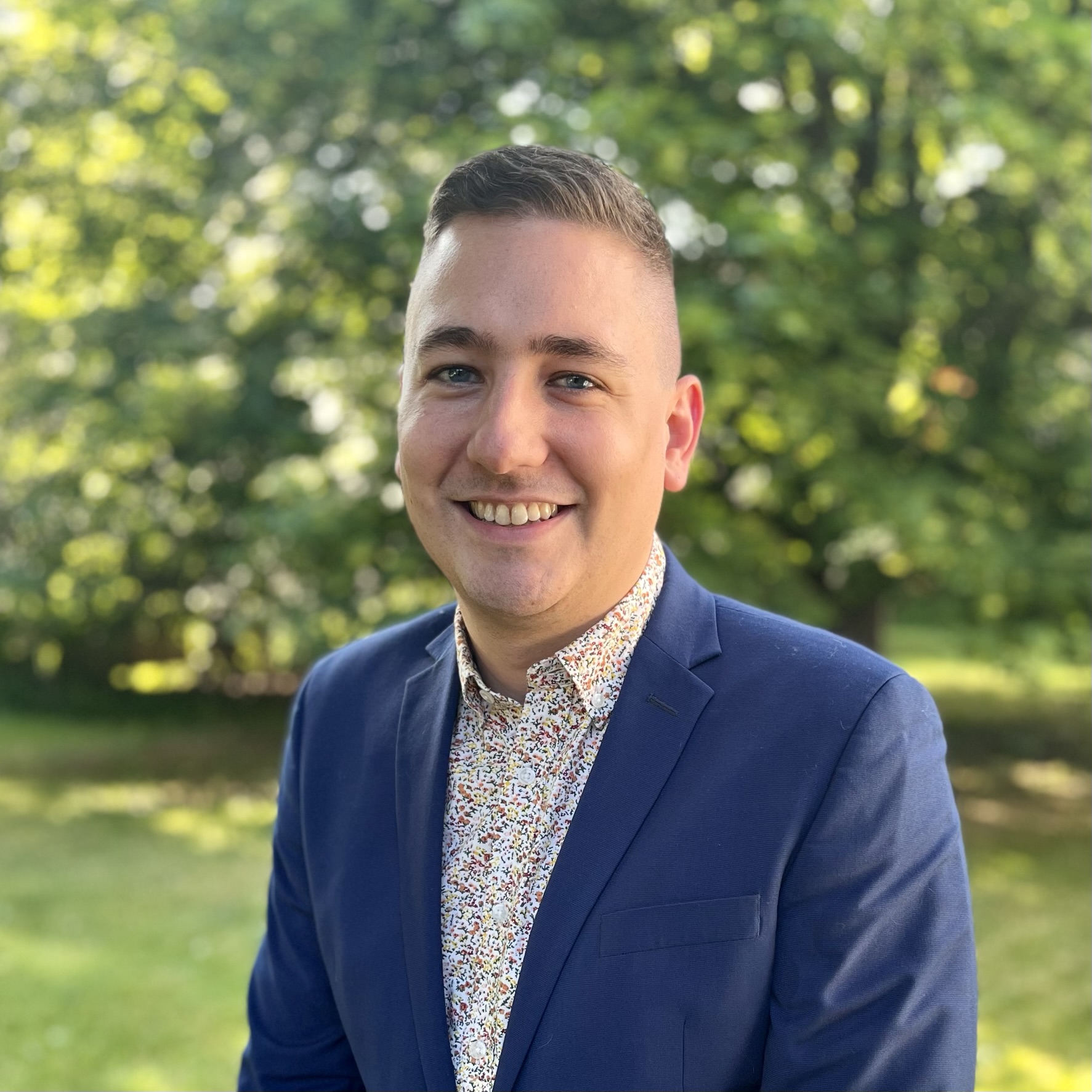 Given my learnings, I identified a key thing holding nonprofits back from achieving their missions and advancing progressive change: their complicity in colonial mindsets.
To the young, the less young, and the still-here fundraiser
 The field often mistakes how much harm fundraisers can absorb for how good they are at relationship-building. We praise the ability to absorb discomfort, translate harm, and stay pleasant under pressure, and call it ‘professionalism.’