
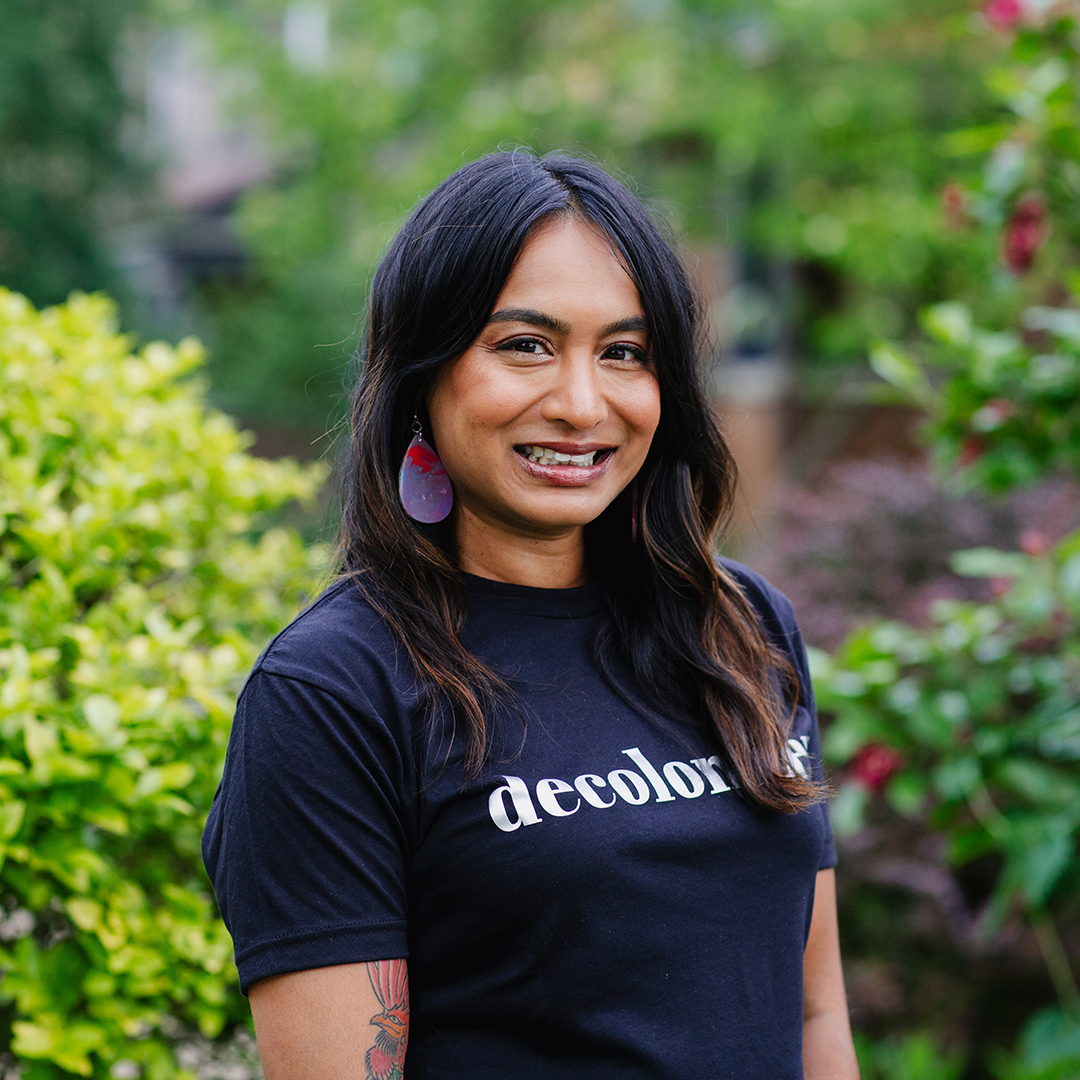
 If we know that we cannot — and should not — be everything to everyone, how will we get our communities what they need while preserving our energy for the long fight ahead? Now is the time to radically reimagine what could be when we embrace our role in the Social Change Ecosystem.
CCF Archive
Once upon a whisper in the wind: A CCF origin story
By Dāna James and Naseem Kapdi
 Once upon a time—not in a castle, but in a fogged-up café tucked away in Seattle—nine fundraisers gathered around a wobbly table, laughter too loud for the space, mugs clinking instead of glasses.
How are we living our CCF value of courage in this moment?
 I ask all of us to reflect on that value of courage and consider: How are we living up to our value of courage in this space, context, and moment? And how are we falling short of living up to our value of courage in this space, context, and moment?
Beyond Philanthropy: Community-driven solutions
By Monique Curry-Mims and Valerie Johnson
 In this episode, Valerie sits down with Andrea Arenas and Michelle Shireen Muri, current consults and members of the Founding Council of Community-Centric Fundraising, to talk about reimagining philanthropy through community-driven solutions.
Principle 5 in action: Why volunteer engagement deserves equal investment and how to start investing in it
 A key reason I was drawn to Community-Centric Fundraising (CCF) is Principle 5: Time is valued equally as money. Yet, in most nonprofit organizations, volunteer engagement is not valued as equally as donor engagement.
What community-based research can look like through a community-centric lens
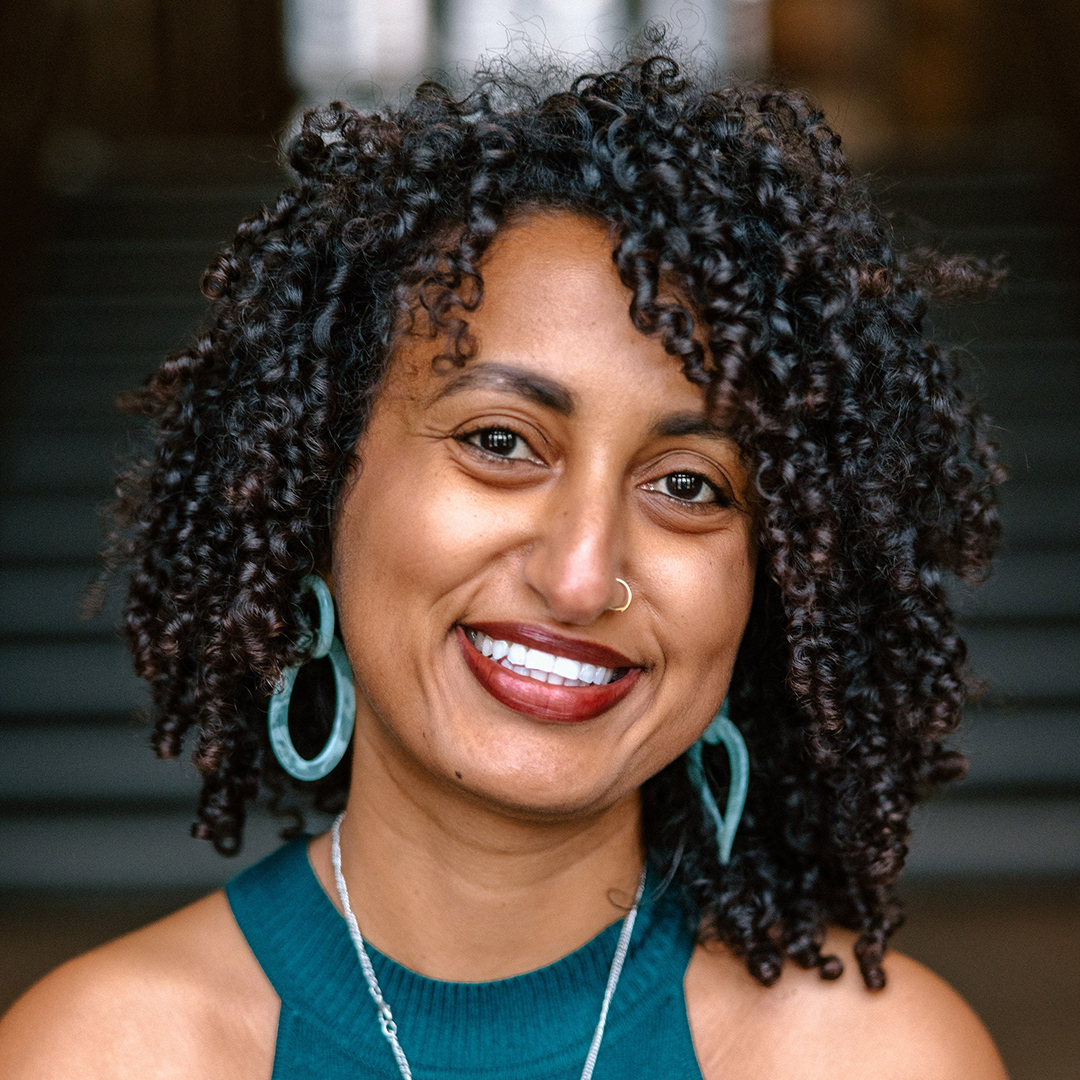 Community-centric engagement is not a one-off endeavor, but a partnership, where communities are engaged in decisions, reported back to, engaged for feedback and iteration, and able to meaningfully influence direction-setting.
CCF stands with activists changing systems and creating a culture of true belonging for all
 We at CCF stand with activists changing systems and creating a culture of true belonging for all. We recognize this historic achievement and the commitment of Nneka, Muthoni, Mide, and their allies to addressing racism and exclusion in the sector. We support their work in making it a more just and equitable philanthropic sector for all of us.
Community-Centric Fundraising joined JSI as a community partner for groundbreaking environmental justice funding
JSI invited the CCF Global Council to co-lead the MAP EJ Grants Hub Partner Gathering held in Denver three weeks ago. We were honored to develop and facilitate critical conversations about fundraising, power, and equity.
Community-centric from the beginning: CCF training for Mountains and Plains EJ Council
 Experts themselves, the EJ Council shared their experiences with funders who earned and lost their trust. Together, we came up with the Council’s values of solidarity and integrity, we imagined what success for the region would look like beyond the lifecycle of this grant, and we led a session about rest.
Centering community in year-end appeals
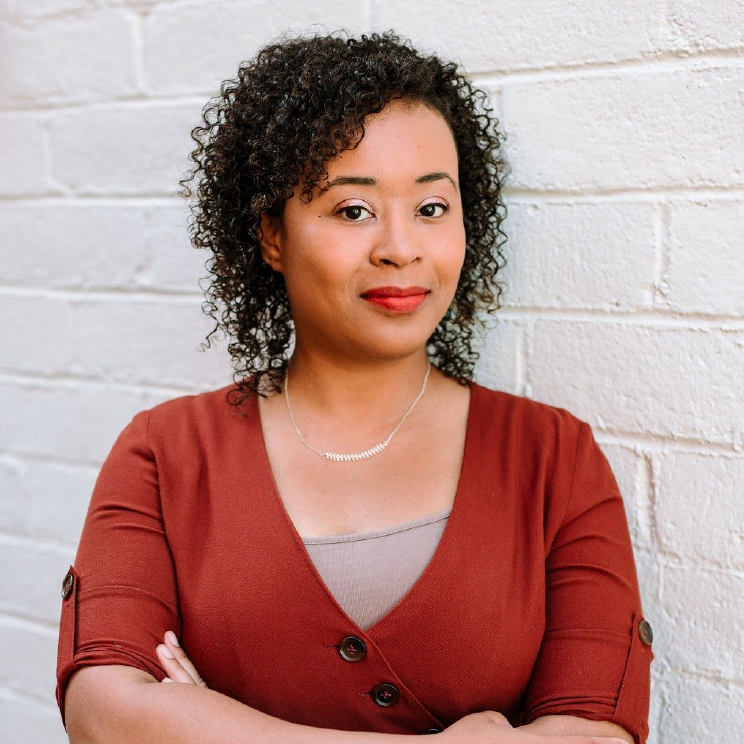 The extractive tension between centering stories that connect donors to an issue and maintaining the storyteller’s agency can be a narrow line to tow. And when the balance is off, it is the individuals who are vulnerably visible that feel the impact.