Nonprofits and values-aligned financial decision making: Using our resources for social justice

Nonprofits and values-aligned financial decision making: Using our resources for social justice

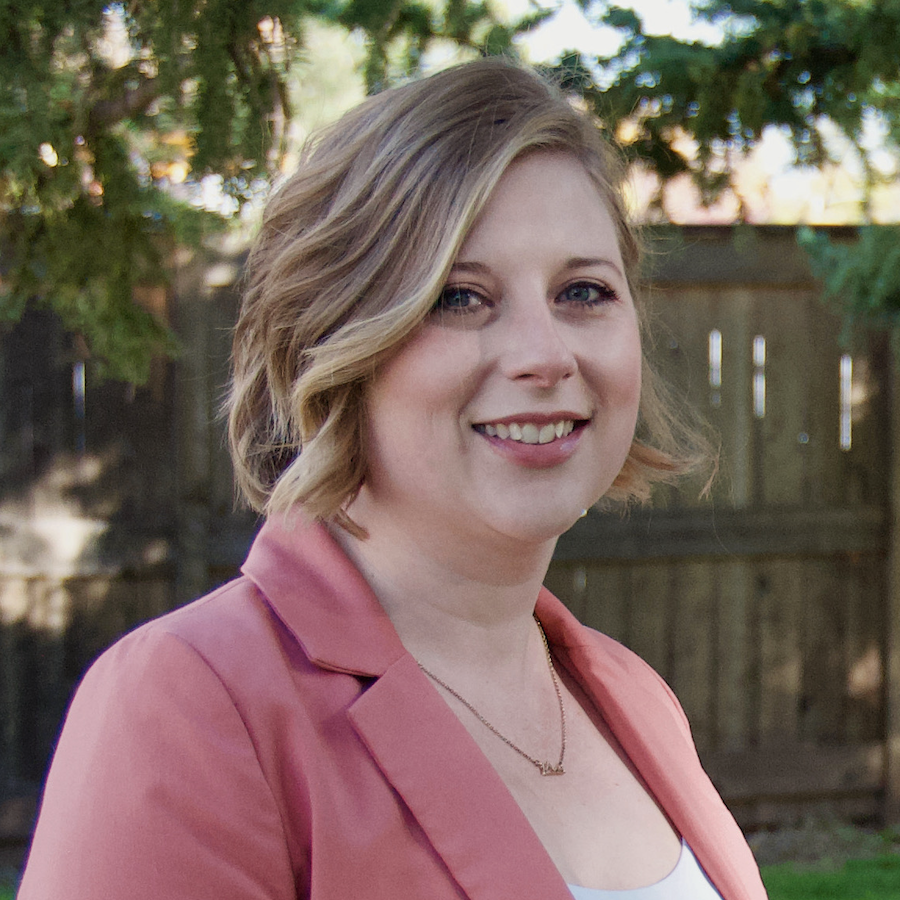
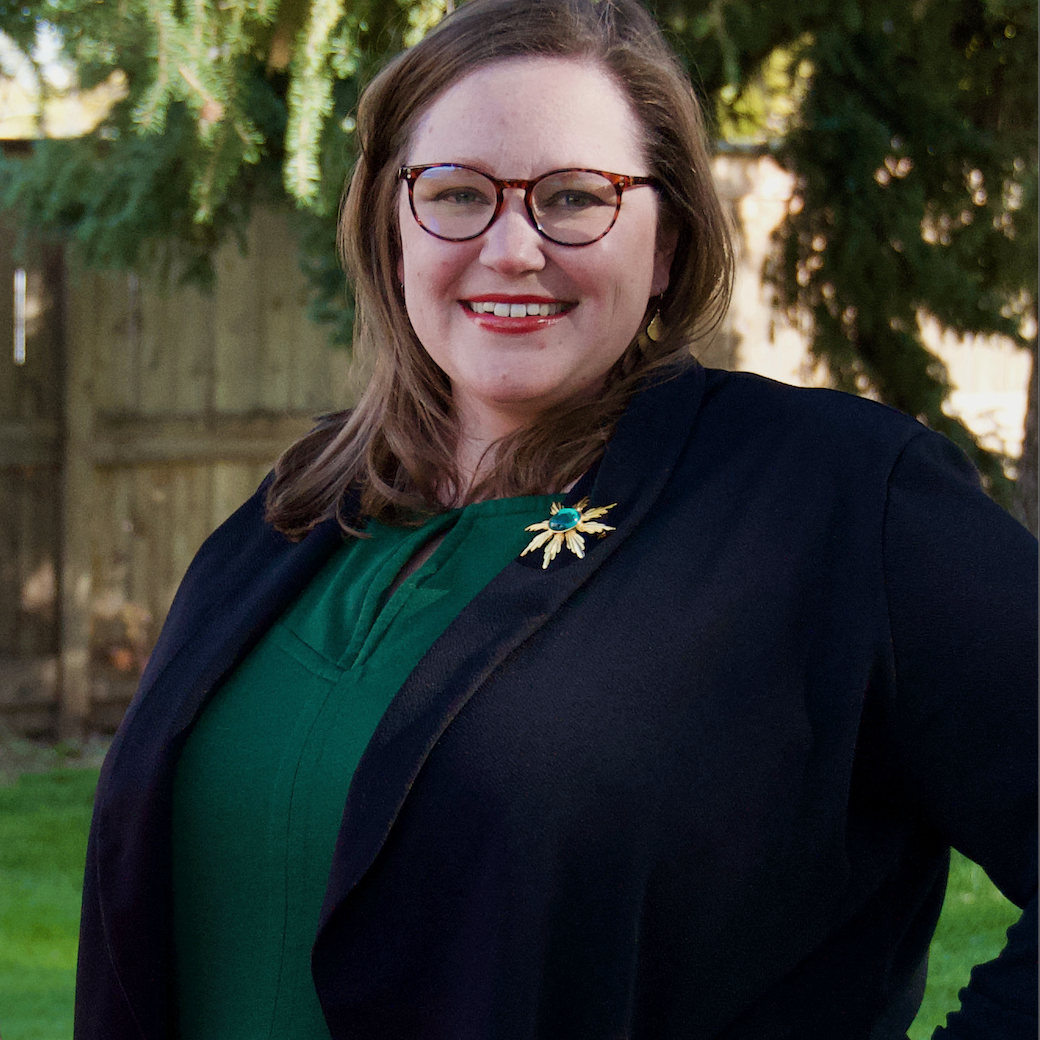
By Theresa Rinne-Meyers, nonprofit director and advocate for a strong social sector

It’s no secret that nonprofits often have to make difficult budget decisions. However, many people don’t realize that these decisions can perpetuate some of the very systems we are trying to dismantle.

Nonprofits and the people who work at nonprofits are amazing. I believe that nonprofits – at their best – represent the best of humanity as we take care of one another, dismantle harmful and unjust systems, and dream up a more beautiful, safe, and prosperous world. 

As someone who has worked in the nonprofit sector for a number of years, I’ve seen firsthand how limited our financial resources to tackle all this can be. I’ve been a part of several teams that applied for grants to run programs and received half the funding, but were expected to deliver the complete program. As a result, staff were expected to do double duty, the programs were diluted and less impactful, and resources that could have gone directly to clients were cut entirely – and I know this is, unfortunately, not an uncommon experience.

So, it’s no secret that nonprofits often have to make difficult budget decisions. However, many people don’t realize that these decisions can perpetuate some of the very systems we are trying to dismantle.

This is something that author and activist adrienne marie brown writes about in her book Emergent Strategy and speaks about on her podcast. She shares that how we are at the small scale is how we are at the large scale, which means that if we want to influence bigger financial and economic systems, we need to change how we use our organization’s financial resources.

5 ways to make more values-aligned financial decisions on the small scale to influence the large scale 

1. Pay our workers well.

We don’t do this work for the money; however, we all have bills to pay. Unfortunately, I’ve been a part of several organizations where entry-level positions and staff with lived experience qualified for the very programs they were leading because they were not paid sufficiently. This not only contributes to income inequality, but also discourages those with lived experience from working in our sector.

When a beloved coworker shared with me how she was waiting in line for food assistance and clothing donations in the evenings while working to lead anti-poverty programs alongside me during the day, I started to think that perhaps we were losing sight of our bigger purpose as a sector.

If we want to advance economic mobility, we must model it by paying our staff (and interns!) fairly. For more on this topic, read this piece by Erika Chen, which offers strategies to advance pay equity in nonprofits.

2. Engage consultants from small, local firms.

When working with consultants, it’s not uncommon for nonprofits to engage a major management consulting firm because a board member or CEO is connected to that team. However, many qualified consultants from smaller firms or independent consultants with more nonprofit and social justice experience are just waiting to help us do our work better with a more solid understanding of our missions and values.

When I was searching for someone to lead my team in building a new set of strategies and activities for the organization, the one-woman shop I ended up bringing on had significant experience working with my exact client base. She brought an important racial equity lens to the work and contributed to our developing a solid strategy that was soon after funded by a local foundation—all with great success.

Let’s commit to paying our small and local consultants!

3. Bank responsibly.

Banking responsibly is also an important tactic to put our money where our values are. Many of us don’t think much about where our organizations bank, but banks hold a ton of our organizational resources and make money off those resources!

Divesting from banks that finance harmful projects such as oil pipelines and weapons manufacturing is an important way to ensure that our money is being used in alignment with our values. We should safekeep our organizational resources in values-aligned banks such as credit unions and socially responsible banks.

4. Buy our products from small and local businesses.

It’s no secret that many of us buy our work products from large retailers like Amazon and Walmart because they’re cheaper, but these retailers often harm our small and local businesses.

They exploit their workers through poor wages, wage theft, and union busting, among other tactics, contribute to environmental degradation, and avoid paying taxes. As much as we can, we should use our organizational resources to purchase products and services from small businesses, local businesses, and BIPOC entrepreneurs.

5. Make mission-aligned investments.

When it comes to investing our organizational resources, it’s important to make sure that our investments are mission-aligned. Many nonprofits and foundations invest their resources in the stock market to return any profits to our budgets.

While I’ve never sat at a leadership table that discussed investment strategies, I think it’s likely that these aren’t always mission-aligned. Wouldn’t it be neat if staff had greater visibility into this part of our organization and was part of the decision-making for how organizational resources are invested? Nonprofit Quarterly’s 2023 piece on impact investing in our sector is a good primer for those looking to learn more.


Nonprofits need to take a more values-aligned approach to their financial decisions. By paying our workers well, working with business owners and consultants from marginalized genders and backgrounds, banking responsibly, buying our products from small and local businesses, and investing responsibly, we can use our financial resources to influence bigger financial and economic systems.

Remember, how we are at the small scale is how we are at the large scale, so let’s use our resources to positively impact the world.
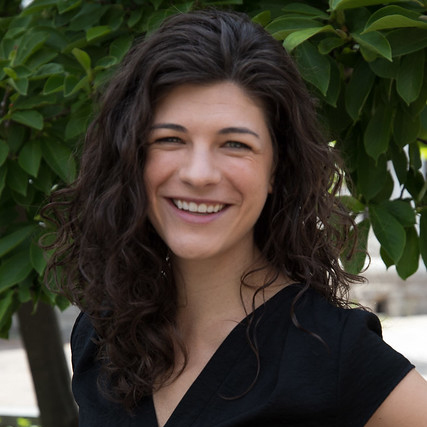
Theresa Rinne-Meyers

Theresa Rinne-Meyers

Theresa Rinne-Meyers (she/her) is a nonprofit director living in Denver, Colorado. With a decade of experience in nonprofit strategy, evaluation, advocacy, fundraising, and program management, Theresa can often be found exploring innovative approaches to enhance our sector’s impact even further. She’s pretty sure that Vu Le quoted her in his book, and this has been a top-five career highlight for her. You can find her on LinkedIn at www.linkedin.com/in/theresarinnemeyers.
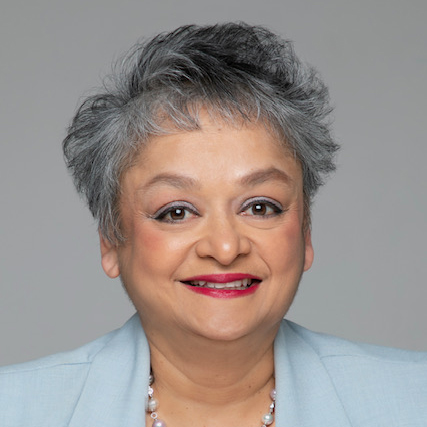
How white feminism tokenizes and exploits rather than helps someone like me

How white feminism tokenizes and exploits rather than helps someone like me

By Shama Shams, survivor and advocate

As a child, the concept of racism eluded me despite it being ever present in my life.

Growing up Bangladeshi in Memphis during the late 1970s, being stared at was routine, especially when my mother, adorned in a sari with her head veiled, accompanied us. Our modest two-bedroom apartment perpetually exuded the aroma of curry and chai, a beacon guiding me back from afar.

My father, deeply enamored with America, recited patriotic phrases fervently, fostering in me the belief in the American dream—where education opened doors to boundless possibilities. Yet, irony shrouded his aspirations; his skin color and accent barred him from reaping the fruits of those opportunities.

Initially, my optimism about equal opportunity remained unwavering despite my family’s struggles. However, as time progressed, my disillusionment grew. Despite my father’s two master’s degrees from American universities, suitable employment remained elusive. My well-educated father toiled bagging groceries, ferrying bags to cars, earning him a few coins from appreciative customers while the more generous ones handed him a dollar.

Shortly after the Iran hostage crisis ended, my father died of a sudden heart attack. My sisters and I got low-paying service jobs to help pay family bills, and our financial woes continued well past our college years. I knew how to get food stamps and what time of the day to stand in line for free food, clothing, and other essentials.

These days, my sisters and I are financially stable and, in many ways, living the American dream. But receiving the same opportunities as our white counterparts is far from our reality.

My lived experience made me both desirable and exploitable to the white women who lead the nonprofit sector

Women of color are frequently left feeling tokenized and re-exploited, especially when lived experience is added to the hiring criteria. As a survivor of sexual exploitation, my experience and my “relatability” to other victims and survivors of exploitation have benefited my white female counterparts in their pursuit to “rescue” us.  

In the nonprofit sector, we talk about diversity all the time, yet white women lead many of the nonprofits I have worked with.  

Women of color are frequently left feeling tokenized and re-exploited, especially when lived experience is added to the hiring criteria. As a survivor of sexual exploitation, my experience and my “relatability” to other victims and survivors of exploitation have benefited my white female counterparts in their pursuit to “rescue” us.  

In my experience, employers have enlightened conversations surrounding diversity, equality, and inclusion, but they are often just conversations without substance. White women claiming to prevent the exploitation and marginalization of women of color are often the ones holding the gavel. These white women, who usually are outraged by white men’s power, fail to recognize their power over their counterparts of color, who are at the bottom of the hierarchy. 

Last year, I sat at a round table with a group of ladies at a women’s conference.  I was the only person of color at my table.  The woman beside me was angry that a man several tables away stood up and spoke for a long time.  She felt it was outrageous that this man dominated the conversation at a women’s conference.

At one point, each table was asked to engage in a discussion on a given topic.  The women at my table took turns speaking, but it never occurred to them that I did not get the opportunity to talk before the time ran out.

Some women often get so caught up in voicing the injustice they experience that they do not recognize the injustice that they cause their sisters of color or people from other marginalized genders.  This highlights an essential aspect of social activism and advocacy, particularly within feminist movements: the potential for certain groups to perpetuate injustices against others inadvertently. 

While feminism aims to address and dismantle systems of oppression based on gender, it’s crucial to recognize that women’s experiences are intersectional and influenced by various factors such as race, class, ethnicity, sexuality, and more.

The importance of rejecting white feminism for intersectional feminism

Current research in the field of intersectional feminism sheds light on how some women, particularly those from dominant racial or ethnic groups, may prioritize their own experiences and perspectives while overlooking or even contributing to the marginalization of women of color. This phenomenon is often referred to as “white feminism,” where the concerns and struggles of white women take precedence over those of women of color within feminist discourse and activism.

A study by Kimberlé Crenshaw, a pioneering figure in intersectional theory, emphasizes the importance of recognizing and addressing intersecting forms of oppression. Crenshaw’s work illustrates how the experiences of women of color are often marginalized or erased within feminist movements that prioritize the concerns of white women. Her research underscores the need for a more inclusive and intersectional approach to feminism that acknowledges the diverse experiences and challenges faced by women from different racial, ethnic, and cultural backgrounds.

Furthermore, contemporary research by scholars like bell hooks, Audre Lorde, and Angela Davis delves into the complexities of intersectionality and how power dynamics within feminist movements can produce inequalities. These scholars advocate for a more inclusive and anti-racist feminism that not only challenges patriarchy but also addresses racism, colonialism, and other forms of oppression that impact women differently based on their intersecting identities.

In addition to academic research, current events and social media discussions often highlight instances where mainstream feminist movements fail to adequately address the concerns of women of color or actively perpetuate racial injustices. For example, controversies surrounding the Women’s March movement have sparked debates about the exclusion of women of color from leadership positions and the prioritization of issues primarily affecting white women.

Overall, current research underscores the importance of recognizing and challenging how certain women may inadvertently perpetuate injustices against their sisters of color within feminist movements. By centering intersectionality and actively amplifying the voices and experiences of marginalized women, feminists can work towards a more inclusive and equitable movement for gender justice.

For me, sitting in silence with hope for justice to prevail is a thing of the past. I now wield a pen to express my disillusionment with the idea that the American Dream is within reach for everyone.

Shama Shams

Shama Shams

Shama Shams, an author from Seattle with a master’s in religion from Florida State University, has garnered recognition for her memoir, She Called Me Throwaway.  

In addition, with over two decades of dedicated service in the nonprofit sector, Shama is a seasoned executive passionate about driving positive social change and empowering homeless or impoverished individuals. As the founder and principal consultant of Case for Support Consulting, she brings a wealth of experience in strategic planning, fundraising, marketing, and communications to nonprofit organizations seeking to enhance their impact and sustainability.

Shama held key leadership positions in various nonprofits, including Chief Impact Officer, Director of Development, and Director of Philanthropy and Marketing. Her expertise lies in crafting compelling narratives, building strong brands, and developing strategic partnerships to advance the missions of the organizations she serves.

Follow Shama’s work at Case for Support Consulting or on LinkedIn.

How retiring our paddle raise and adopting a more authentic fundraising event led to greater income and community connection

How retiring our paddle raise and adopting a more authentic fundraising event led to greater income and community connection

By Patricia Gray, Director of Philanthropy and Tiffany Hitt, Special Events Manager, Pike Place Market Foundation

For two decades, our organization hosted galas and auctions in expensive hotel ballrooms, featuring exclusive chef experiences and travel packages. The authenticity of our humble, human-centered Pike Place Market culture was missing from these events.

It was scary, but we knew it was the right thing to do. We skipped our paddle raise and generated 48% more funds because of it.

For two decades, our organization hosted galas and auctions in expensive hotel ballrooms, featuring exclusive chef experiences and travel packages. 

The authenticity of our humble, human-centered Pike Place Market culture was missing from these events. Still, we played the game that so many other non-profits play, fearful that drastic change would cut us out of essential market share.

Our gradual shifts toward community-centric fundraising events

We began to change our fundraising strategy incrementally, removing the “tried and true” methods steeped in inequity and adopting more community-centric approaches. In 2016, we canceled the “rubber chicken” ballroom luncheon to create a smaller, more authentic experience within our own neighborhood. In 2017, we acquired a new place to gather with 300 community members under the MarketFront Pavilion, a part of the new expansion of Pike Place Market.  

That year, we introduced Celebrate the Market!, our new annual gala-style raise-the-paddle dinner. Instead of fancy auction packages, guests bid on community impact. With ringing bells and warm hearts, we were making progress!

In 2022, after COVID-19 and the murder of George Floyd had exposed deep gaps in our social systems and prompted a sector-wide commitment to social justice, we regrettably attempted to “go back to normal” by reviving our raise-the-paddle strategy. As we planned the event, we had a gut feeling it was the wrong approach. 

Looking back at that night, we see that it was uncomfortable and not aligned with our values of inclusion, respect, and gratitude. We said we valued all contributions, but we still cheered loudest for the big donations during the high-pressure ask while our community members, service providers, and essential workers were not celebrated on the same scale. 

Our board, staff, donors, and community members all had similar feedback after the event: Paddle raises are no longer effective and downright uncomfortable, maybe even offensive.  

How we retired our paddle raise for good

After looking up the definition of a paddle – an implement used for steering, stirring, hitting, and shocking – it’s a wonder that it’s taken us this long to see the violence and manipulation this fundraising tactic depends on! We knew we needed to make a big change and design a more inclusive ask to honor our commitment to community-centric values in 2023 and beyond.  

Our solution: a personal (private) moment of giving. 

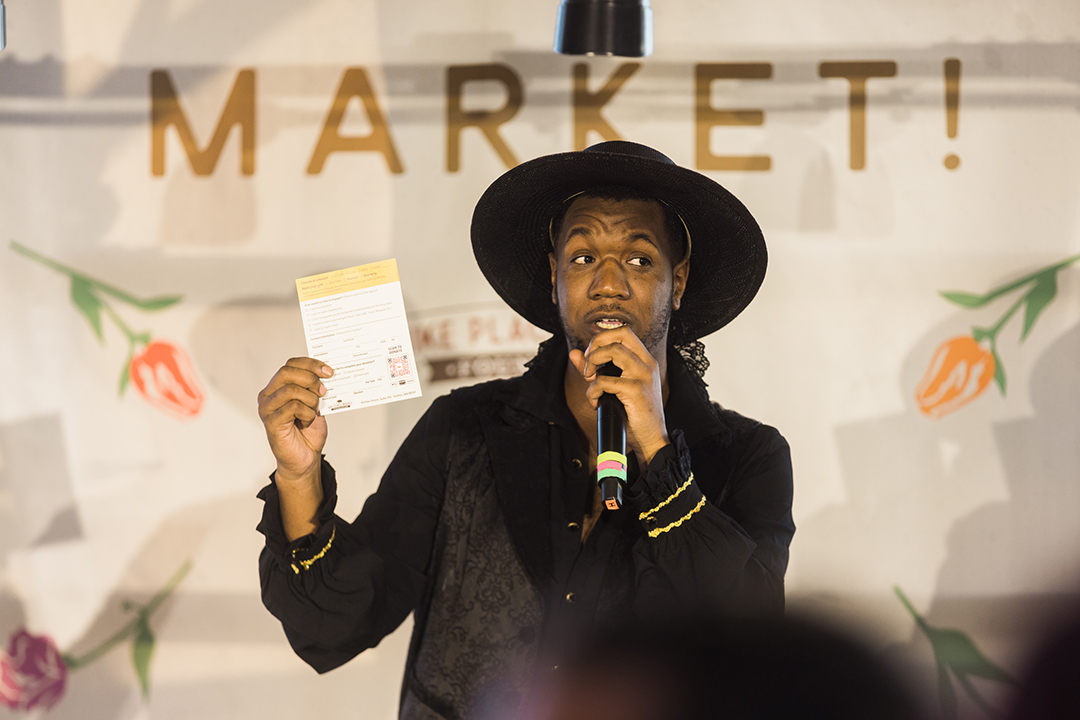
Our fundraising team created personalized and tiered donation cards reflecting the giving levels we deemed most appropriate for each donor, as well as opportunities to engage with us in non-monetary ways, including tours, volunteering, and roadshows. Only you, the donation card, and our team (after the event) know what you gave.

An individual with a microphone holds a donation card
Instead of peer pressure and a show of wealth as the motivator, we focused on developing a compelling story from the stage and strategically inviting our most engaged donors at all levels of giving while encouraging everyone to contribute generously in ways that are meaningful to them. At our first attempt, there was trepidation that our donors would feel less motivated by a personal, private moment of giving. Our staff and board knew the risks but were encouraged by the strategy that felt more aligned with our values and mission. The results:
  • We increased giving that night by 48%.
  • We included a recurring gift ask that 20% of donors opted into. We explained how year-round giving allowed us to plan better and respond to the community’s needs as they emerged. Nine months later, we still have monthly revenue coming in.
  • Feedback from both major and community-level donors expressed a sense of belonging and a deep understanding of our mission. Immediately following the event, we received emails and notes of gratitude, specifically about retiring the paddle raise!
We have made a commitment to press on with these values into a brighter future. As you approach Spring fundraising season, we hope you’ll take our lessons learned to make the leap and authentically represent your mission, values, and community for the better. For us, that means no more paddle raise and developing a sound fundraising strategy that is authentically of the Pike Place Market community. We can’t wait to see what it means for you.
Patricia Gray

Patricia Gray

Patricia Gray (she/her) is the Director of Philanthropy and Community Relations at the Pike Place Market Foundation. She is a dedicated advocate for families, children and healthy communities. You’ll find her connecting and co-creating community initiatives all over the city from the daystalls of the Market to her kids’ schools and on the roller derby track.  You can find her on LinkedIn https://www.linkedin.com/in/patriciagray/ and via email patriciag@pikeplacemarketfoundation.org

Tiffany Hitt

Tiffany Hitt

Tiffany Hitt (she/her) is the Special Events Manager at the Pike Place Market Foundation. She is passionate about creating experiences that bring connection and joy to our community. Tiffany also performs, directs and teaches the art of improvisational theater at Unexpected Productions in Post Alley. She is honored to spend her days and nights in the best place in the world, contributing to the rich Seattle arts and culture, while helping make the world a better place one smile at a time. You can Tiffany on LinkedIn https://www.linkedin.com/in/tiffany-hitt-8523a61/, Instagram @tiffanycoug and via email tiffanyh@pikeplacemarketfoundation.org

Let’s talk about DAFs: A call for transparency and equity

Let’s talk about DAFs: A call for transparency and equity

By Maegan Vallejo and Nia Wassink, Consultants for Philanthropic Transformation

The existing lack of oversight and giving requirements for donor-advised funds (DAFs) raises pressing concerns that extend beyond philanthropy.

The history of philanthropy in the United States is marked by entrenched inequities, as wealthy white individuals historically shaped the rules and structures of charitable giving. The existing lack of oversight and giving requirements for donor-advised funds (DAFs) raises pressing concerns that extend beyond philanthropy. 

The current requirements for establishing and managing DAFs, when left unaddressed, support the widening wealth gap, the diversion of tax dollars from communities (for every $1 donated by a billionaire, taxpayers may contribute as much as 74 cents in avoided tax revenue, emphasizing a need for more scrutiny and oversight), and even pose a threat to democratic principles. 

In this essay and our guide, “Let’s Talk about DAFs,” our goal is not to advocate for the abolition of DAFs. Instead, we hope to highlight systemic issues perpetuated by DAFs, encourage critical conversations and a call for reform, and emphasize a need for a collaborative push toward positive change.

Systemic Challenges and Wider Impact

$1.4 trillion is currently set aside in private foundations and DAFs, and there is an absence of evidence showing that DAFs help increase charitable giving. Together, these facts raise questions about their effectiveness. 

While there are a few noteworthy instances, such as the #HalfMyDAF movement, there is insufficient data to demonstrate that DAFs are contributing significant donations to support philanthropic efforts that benefit communities. On the other hand, there is a growing body of evidence to suggest that DAF dollars are only supporting the fund balances of their managing institutions. An example of this unchecked growth is the SDG Impact fund that grew from $238 million to $10 billion in one year, the implications of which are explored further in “The $10 Billion Charity No One Has Heard Of” in the Chronicle of Philanthropy. 

Systemic hurdles, including restricted access to financial institutions, property ownership, education, and labor market discrimination, have contributed to the widening racial wealth gap in the United States. On average, Black or Latino households possess only about 15-20% of the net wealth compared to their white counterparts. Furthermore, approximately 90% of the top 10% of wealthy Americans are white, holding 77% of the total wealth. These statistics illuminate the continued overrepresentation of white individuals in the realm of philanthropy, including the ownership of DAFs.

While there are high-net-worth donors of color who utilize DAFs, their giving decisions, as outlined in “Philanthropy Always Sounds Like Someone Else,” are often shaped by experiences of racism, discrimination, and bias. A significant number of these donors reported a lack of engagement with financial or giving advisors, reflecting historical barriers to financial institutions and the absence of representation in advisory fields. 

This distrust towards financial institutions among people of color and historically excluded communities poses a notable obstacle, especially since advisors play a crucial role in guiding clients on wealth-building strategies, including the incorporation of philanthropic tools like DAFs into their plans.

The documented underfunding of organizations led by communities of color and historically excluded groups also persists. In the fiscal year 2021, only 26% of BIPOC-led nonprofits received unrestricted funding, in stark contrast to the 41% received by white-led nonprofits. This perpetual underfunding restricts these nonprofits’ access to funders, including DAFs, and limits their involvement in decision-making processes within the philanthropic sector.

In response to the spotlight on economic, racial, and healthcare crises in the United States in 2020, philanthropy did initially exhibit a shift. There were increased commitments to racial justice, adoption of trust-based philanthropic practices, such as simplifying grant applications, and a redirection of more unrestricted funds. 

However, despite these promising signs, many of these changes were not sustained. Several funders reverted to previous grant application processes and resumed limiting unrestricted funding. Less than two-thirds of the $11.9 billion pledged for racial justice by foundations and corporations reached the intended grantees.

The perpetuation of the wealth gap underscores the need for reparation efforts through philanthropy. Despite the racial wealth gap being a focal point, entities managing DAFs often lack incentives to address wealth origins and investments. A study commissioned by the Council on Foundations suggests that foundations could have paid 6.5% annually and still grown their assets, emphasizing the need to rethink the 5% payout requirement (INCITE! Women of Color Against Violence).

Unveiling Transparency Issues

DAFs serve as immediate tax benefits for donors, offering discretion in recommending donations to nonprofits. Managed by entities like Fidelity, Vanguard, or community foundations, DAFs are simpler, cheaper, and less time-consuming to establish than private foundations. While these features are advantageous for donors, challenges arise from the lack of transparency, especially for nonprofits with budgets under $100,000, who struggle with donor contact and understanding DAF workings.

These views persist in the 2023 FreeWill Donor-Advised Fund Report. Entities featured in this report, operating with budgets under $100,000, demonstrated the lowest likelihood of obtaining and seeking donations from DAFs. Of the respondents, 42% faced difficulties in soliciting DAF contributions, and 25% encountered challenges with anonymous DAF donations. This led to the expenditure of time and resources in attempting to trace donor information for proper stewardship. 

Revelations such as Fidelity Charitable’s contribution of $4.9 million to 31 designated hate groups between 2015 and 2017 further expose the transparency challenges within DAFs. The extent of due diligence on grant recipients varies based on the managing institution. At a minimum, they are required to verify 501(c)(3) status for tax purposes, and for many, this constitutes the scope of their vetting process.

Efforts to regulate DAFs, like the Accelerating Charitable Efforts (ACE) Act, faced opposition, primarily driven by concerns about a slowdown in philanthropic giving, donor privacy protection, and threats to endowed DAF perpetuity. Key organizations opposing regulation include the Council on Foundations, the National Philanthropic Trust, and the Philanthropy Roundtable. What is particularly troubling about the arguments against regulating DAFs is their complete disregard for the historical context and systemic inequities that have shaped philanthropy’s current state.

Call to Action: Building Collaboratives and Shifting Inequities

While we acknowledge that we may not possess all the answers, our aspiration is for this discourse and ideas for change to serve as a step in propelling DAF reform forward.

While barriers persist, disruptive fundraisers play a crucial role in catalyzing change. Recognizing the complexity of DAF challenges and disrupting the status quo requires collaborative efforts. Building a network starts by actively listening during team meetings, engaging with donors, and connecting with community members who articulate concerns about philanthropic inequities. 

Potential avenues to promote DAF reform could include:

  • Creating a collaborative: We encourage you to identify those who share your commitment to sparking change and start a collaborative, even if initially small. Nurture these partnerships, providing mutual support and accountability. Expanding this collaborative effort by joining forces with other disruptors is crucial for sustaining momentum.

  • Ensuring leadership is committed to and comprehends JEDI work: We know organizational leadership isn’t always aligned with the pursuit of equitable changes in the sector, creating potential barriers at executive or board levels. Circumstances vary, but a key aspect of transforming DAFs involves gaining leadership’s support for change. A strategic beginning could be to ensure leadership is committed to and comprehends the implementation of justice, equity, diversity, and inclusion (JEDI) work. Once this understanding is established, leadership will recognize the imperative for shifts in fundraising practices, especially concerning DAFs.

  • Educating donor-advised fundholders and fund advisors: Engaging in candid and authentic conversations with donor-advised fundholders and fund advisors stands out as another potent action to address inequities around DAFs. Given our expertise as fundraisers immersed in the realm of philanthropy, we have a unique understanding of the negative implications associated with DAFs, a perspective our donors may lack. Some might have opened a DAF on a financial advisor’s recommendation without contemplating its impact. When approaching these discussions, it’s crucial to convey to fundholders that they can actively contribute to the solution. A non-confrontational approach fosters successful collaboration, emphasizing proposed changes and conversations about JEDI and philanthropy as transformative and exciting. This positive framing shifts the focus from problems to hopeful possibilities.

  • Engaging with community foundations: Meet with your local community foundation staff to understand their processes for connecting nonprofits with DAFs. Encourage colleagues to do the same and collectively hold these institutions accountable through educational sessions.

  • Bringing in external educators and allies: Bring in external educators to assist staff and board members in comprehending and embracing the changes and conversations promoting equity within the organization.

  • Advocating for legislative reforms: Support legislative fixes to address issues related to under-regulated DAFs. Launch campaigns within your organization or the broader nonprofit community to inform elected officials about the benefits of regulations like annual spending requirements.

  • Following advocacy organizations: Stay informed and aligned with organizations supporting legislative changes, such as CalNonprofits, Minnesota Council of Nonprofits, and the Initiative to Accelerate Charitable Giving. Collaborate with like-minded entities to amplify the collective voice advocating for reform.


It is important to note that implementing certain work or practices cannot be done in a one-size-fits-all manner. The philanthropic sector has perpetuated inequities by relying on a uniform set of “best practices.” These practices often create unrealistic expectations for smaller or grassroots organizations, such as expecting donors to receive a tax receipt within two weeks. Additionally, the nonprofit sector’s focus on donors has led to a disproportionate amount of power being given to them instead of the communities they serve.

While we acknowledge that we may not possess all the answers, our aspiration is for this discourse and ideas for change to serve as a step in propelling DAF reform forward. It is essential to recognize that you are not embarking on this journey alone; there are resources and information available to provide support and contribute to the evolution of positive change. We hope this can be a catalyst for a broader conversation, fostering a sense of community and collaboration in addressing these challenges. The intent is to inspire collective action and provide a foundation upon which others can build, extending the reach and impact of these efforts for lasting transformation.


To access deeper information about this topic, “Let’s Talk about DAFs” can be downloaded here

We want to express gratitude to those who reviewed and provided feedback on this work,  recognizing their inspiring efforts to better the philanthropic field: Madeleine Binsfrahm, Luna Philanthropy, Mallory Mitchell, Dan Petegorsky, Lauren Pietrek, and Michelle Shireen Muri. The collaborative spirit embodied in this work signifies a step towards transformative change.

Maegan Vallejo

Maegan Vallejo

Maegan Vallejo (she/her) is the Senior Consultant at Prismatic Consulting. With over a decade working as a fundraiser in the nonprofit sector—for everything from small-scale organizations to a community foundation—Maegan is obsessed with innovating new equitable philanthropic practices that are inclusive and effective. She also works with clients as a writer, strategist, coach, and problem solver. Maegan is committed to expanding community participation in creating lasting social change, and she currently empowers clients to connect with their communities in ways that are strategic and transformative. You can connect with her on LinkedIn or via email (maegan@teamprismatic.com).

Nia Wassink

Nia Wassink

Nia Wassink, MNM (she/her) is the Owner and Principal at Prismatic Consulting. She has worked with and for the nonprofit sector her entire career. Her experience crosses organizational size, structure, and roles. For Nia, consulting is about opening up possibilities and removing barriers for clients to reach new heights of their work and missions. Nia is especially passionate about addressing diversity, inclusion, equity, and access within nonprofits from Board governance practices to increase diversity, implementing community-centric fundraising practices, to creating truly inclusive strategic planning processes and plans. You can connect with her on LinkedIn or via email (nia@teamprismatic.com). 

CCF en Español- Invitación a la Primera Presentación de los Principios de CCF

CCF en Español- Invitación a la Primera Presentación de los Principios de CCF