“I am more valuable than you are”: A perspective on nonprofit hierarchy culture

“I am more valuable than you are”: A perspective on nonprofit hierarchy culture

By Nivetha Nagarajan, nonprofit data wrangler and labor organizer

And throughout the past five years, I’ve had this major question persistently nagging at me: why do we, by default, impose hierarchical power structures on work that is specifically meant to distribute power more equitably?

I’ve worked in nonprofits full-time for only five years – a relatively short amount of time in the grand scheme of things. However, one advantage of that short tenure is that I often question workplace cultural norms that others take for granted because being in the workforce itself is so new to me. 

Pre-pandemic, I would wonder why we were all forcing ourselves to make a tiring commute every day to do work that could just as easily be done from home. In 2020, I didn’t understand why we were often trying to replicate in-office ways of working when it seemed more expedient to entirely reimagine remote workflows in this new reality. And throughout the past five years, I’ve had this major question persistently nagging at me: why do we, by default, impose hierarchical power structures on work that is specifically meant to distribute power more equitably? 

There are so many aspects of the nonprofit industry that suffer from this problem of adopting for-profit power structures and norms wholesale. A few of the more popular examples are the inequitable relationships between grantors and grantees, as well as those between board members and staff. However, what I don’t see questioned as often are the internal hierarchies among nonprofit staff themselves. 

Having layers of directors, middle management, and frontline staff (even in small start-up organizations!) is so rooted in traditional, white, capitalist modes of thinking that it reinforces the societal marginalization of more junior frontline staff. The work also suffers for it since the people closest to the work and who often have lived experiences similar to the communities being served are sidelined in favor of those with professional nonprofit experience. This reflects the over-professionalization of our industry into something that works within existing societal paradigms rather than reimagining them. 

The hierarchies of glam work vs grunt work 

Let’s first think about the division of labor in a hierarchy. There are various ways of characterizing the divide between work that is more highly valued and work that is less valued. Some folks call the tasks that are energizing and intellectually interesting “work,” and the tasks that are boring, draining, but still necessary “labor.” To underline the divide even more, I tend to use the terms “glam work” and “grunt work.” Glam work is the type of soul-fulfilling work everyone dreams of doing, as well as the work that happens to be highly visible and highly compensated – such as closing big funding deals, designing programs, and setting organizational strategy. Grunt work is the work that you probably don’t get fired up doing, but that needs to get done anyway, such as manual data entry, printing and sending mailings, and office management. 

Every role usually has some of both types of work. Typically, however, the higher up you go on an organizational chain of command, you get to do more glam work and less grunt work. 

Despite the fact that we all come to this line of work with diverse and unique perspectives, qualities, and skills that the work could benefit from, we are told that we have to “put in the time” and “work our way up” in order to do the kinds of work that nurture our spirits. We also systematically devalue grunt work, which is still incredibly critical to organizational operations, as needing less expertise – and therefore we compensate it far less than glam work. 

The issue here is that we are just replicating the same inequitable power structures within the organization that we complain about external to the organization. Frontline and junior staff skew younger, BIPOC, and are often closer to or part of the communities being served. While they may not have years of professional experience under their belt, they have invaluable lived experience, fresh perspectives, and insight into our rapidly changing culture that can sometimes only be seen from their vantage point. Therefore, sidelining them from glam work just contributes to a poorer outcome for important projects like setting organizational direction and strategy. 

Hierarchies formalize ageism in the workplace

In a newly formed small organization, I once shared the idea of a flatter organizational structure and equal compensation for all staff, given that we were each bringing varied skills to the table, equally valuable lived experiences, and a history of youth advocacy. I mentioned that youth should be seen as a strength that has unique and inherent worth and not simply as a lack of experience. This approach was dismissed in favor of a more traditional one, factoring in years of experience as a proxy for value. 

It saddens me that the increased professionalization of nonprofits has resulted in ageism being formalized into nonprofit governance (even in youth-focused organizations). If our structures of authority, compensation, and division of labor are predominantly or even partially based on quantity of experience, in some cases, that comes down to simply rewarding whoever has spent the most time on this earth and has had the opportunity to advance up the career ladder. While I definitely respect the perspectives of people with many years of experience, I equally respect what I learn from people who are younger than I am, and I think the most fruitful work comes from a collaboration of the two groups as equals. 

I’m sure we can all think of examples of nonprofits that are run by people with many years on their resumes who lack other qualities such as innovative thinking, an equity mindset, or deep roots in the community, resulting in badly managed and less impactful social change work. This leads me to believe that age does not necessarily equal experience, and experience does not necessarily equal wisdom. 

Another consideration is that the world is changing at an unprecedented rate, given the instability of our global climate, shifting political landscapes, and breakneck pace of technological development. Generation gaps are poised to widen more than ever before, given that young people grow up with rapidly evolving technology that fundamentally changes the way they engage with the world. There are important evolutions in cultural norms, ways of being, and social theory that older generations may not even be aware of. We cannot afford to sideline, disengage, and undervalue these critical perspectives just because hierarchy is the way things have always been done.

The immediate objection that typically arises in response to the idea of a flat organizational structure is usually that it seems unfair to the people who have already put in the time to work their way up. My response to that is that it’s only unfair under the norms of hierarchy culture. A new, more equitable system often feels unfair to the group that was already advantaged in some way. Breaking down white supremacy culture can often feel for white folks like they’re being disadvantaged. Working toward economic justice can often feel unfair for wealthy folks who feel entitled to that wealth. 

But we need to question the systems that disproportionately reward some types of skill and experience over others. Especially in nonprofits, we need to question the wholesale adoption of the quantity of professional experience as a proxy for value in the workplace when there’s a whole rainbow of other equally valuable types of experience people bring to the cause. 

Hierarchies ignore terraforming labor and lead to worker alienation

The message I receive from hierarchy culture, as a worker at the bottom of the ladder, is a reinforcement of the message I receive from the rest of society – that I am worth less than others.

There’s also a whole spectrum of invisible labor some folks have to do to even exist in certain spaces, colloquially known as terraforming. A person with a chronic illness may have to work twice as hard to focus. A parent may have unexpected childcare responsibilities for the day but also a grant deadline. An ESL speaker may have to work a bit harder to comprehend during a fast-paced meeting. 

If you want diverse perspectives on your team and for people to feel like their voice matters, you also need to honor what it takes for someone to even be there, let alone speak up in the space. It’s a lot of labor to make an existing workplace environment work for you when it wasn’t designed with your identity, culture, or community in mind. 

But people don’t get a choice in whether they do that labor or not. This is one more reason that seniority-based compensation hierarchies in a human-centered workplace are ill-advised. A hierarchy based on the number of senior positions a person has held over time too often just ends up rewarding those who don’t need to do as much terraforming labor. It also makes me feel that not only is all the extra labor I’m doing unseen, it is unimportant and unvalued. 

The message I receive from hierarchy culture, as a worker at the bottom of the ladder, is a reinforcement of the message I receive from the rest of society – that I am worth less than others. That is quite literally the message that hierarchies are designed to send, and they do it pretty effectively. 

This results in a sense of profound alienation and feeling disconnected from the work and the workplace community. Treating workers as a group of trusted peers with equal authority inspires a sense of ownership over the work that is much more generative in the long run than the infantilizing requirement that juniors report to seniors, who in turn report to even more senior employees. The latter is a fear-based system, specifically the fear that people won’t pull their weight and so need to be “managed.” The former is a trust-based system, which allows people to rise to the occasion and feel ownership, engagement, and a sense of responsibility toward the organization.

Alternatives to hierarchy culture

So what is a nonprofit to do? Does moving away from hierarchy culture mean you have to go entirely flat immediately? Does it mean you will never be able to attract the best talent because you pay everyone the same? Does it mean that there is only one right way to democratize an organization? 

Of course not. This is a complex, multi-faceted problem, and there isn’t a one-size-fits-all solution. There are, however, many resources and practices available to you to begin thinking about reducing hierarchy, promoting workplace democracy, and sharing power more equitably in your organization. 

One practice that I have seen progressive nonprofits adopt is posting job descriptions where only the skills and competencies needed for that position are listed – entirely omitting any quantitative language like “X number of years’ experience required.” Framing the job description by focusing on the actual qualities and skills that the position requires helps to avoid arbitrarily excluding potentially qualified candidates on the basis of years spent in professional positions. The fact is that there is such a vast variety of lived experiences that can often be more valuable in this work than any number of impressive-sounding titles on a resume. 

Another practice is flexible, need-based compensation. This paradigm of compensation philosophy takes into account not only each staff member’s labor value, but also their needs as a human. For example, your compensation structure could start off paying everyone the same salary but then take into account the number of dependents that a staff member supports, in a care-based model. It could factor in whether a person values their time more than money and could compensate folks with more time off or a shorter workweek instead of a raise. In a truly human-centered workplace, the value of a human’s labor should not just be determined by capitalist market forces. We, as workers, should have the power to influence and shape the compensation policy to which we are subject. 

Lastly, I think horizontal structures and participatory governance deserve much more attention in the nonprofit sector. Historically, these things have been the province of worker cooperatives. However, in recent years, these principles have begun to be applied to nonprofits, resulting in a model that the Sustainable Economies Law Center calls “worker self-directed nonprofits.” They have a program called the Nonprofit Democracy Network that shares learnings and resources on how to practice workplace democracy in the nonprofit context. 

I hope that, as a sector, we can be more open to rethinking traditional modes of workplace governance. I refuse to believe that hierarchy culture is the limit of organizational imagination in the nonprofit sector. We can and should dream bigger for many reasons, but the most compelling among them being that the social change work we are here to do will be better for it.

Nivetha Nagarajan

Nivetha Nagarajan

Nivetha Nagarajan (she/her/hers) is a nonprofit data wrangler and labor organizer trying to understand why things are the way they are and questioning the limits of the nonprofit industrial complex in making change. The views expressed in her writing are hers alone and not representative of her employer(s).
A call for responsible AI that leads with care and imagination

A call for responsible AI that leads with care and imagination

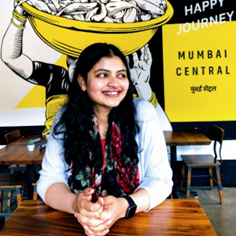
By: Meenakshi Das, data equity consultant, trainer, and speaker

Responsible AI must be considered more than a buzzword or a box to check; it is a commitment to developing transparent, equitable, and accountable technology. It means we need an approach to design that considers the inclusion and representation of all stakeholders, particularly those likely to be easily ignored in technological advancements.

To the tech companies with AI in their plans and budgets currently or soon, this letter is for you:

Despite the daily fancy and flashy messages about new AI tools, I feel nervous about AI.

Perhaps because my entire work history is based on working very closely with a variety of data points.

When those data points have “flaws” and “outliers,” I have seen algorithms handle them silently through optimization parameters. When those data points have misrepresentation or under-representation of community needs, I have seen algorithms ignore those discrepancies and take those data points as core sources of truth to learn.

As much as looking at the working output of my algorithms has been encouraging, I feel terrified of the harmful consequences in situations when AI is given complete control to make choices around data. I can’t help asking — could those algorithms wipe out someone’s story? Perpetuate misrepresentation? Deny someone access to resources and justice?

The fact that the answer to those questions is not a definite assuring “no” makes me uncomfortable.

This letter is a call to action, not merely to encourage meaningful innovation but to do so with a deep sense of care, imagination, and responsibility toward the people and the planet. This message is a shared hope to ensure that as we progress, we maintain sight of the values that make us human: empathy, integrity, and the relentless pursuit of equality and justice.

Responsible AI must be considered more than a buzzword or a box to check; it is a commitment to developing transparent, equitable, and accountable technology. It means we need an approach to design that considers the inclusion and representation of all stakeholders, particularly those likely to be easily ignored in technological advancements.

As organizations with resources to shift how AI can be operationalized in this world, I want you to be better listeners first — to the community’s ‘why’ and needs — before they become part of your sales funnels.

Your actions around AI are not merely about the new features of a product you may develop. Your actions are also an invitation to the communities around you to decide whether or not they can trust you.

In other words, I want you to commit, collectively, as part of your brand, to non-performative, continuous actions toward responsible AI. This means you need to:

  • Invest in diverse teams: Build AI development teams with diverse backgrounds, perspectives, and experiences. This diversity should span race, gender, age, ethnicity, sexual orientation, disability, and more. This is not about filling year goals and benchmark measures; it’s about creating space for different viewpoints, which ultimately impact the very idea of inclusion and belonging in these AI systems.
  • Center inclusive development designs: Incorporate inclusive design principles from the start of AI project planning. This includes engaging with diverse stakeholders (including representation from different communities in the data) during the development process to understand and mitigate biases in AI models.
  • Continuously push for bias detection and management: Implement rigorous testing for biases in data sets and AI algorithms. This should be an ongoing process, not a one-time check. Employ tools and methodologies conceived to identify and mitigate bias, and be prepared to adjust or redesign systems based on what you find.
  • Own your part in building transparency and accountability: Foster a culture of openness about how AI systems make decisions and who is responsible for them. This includes clearly documenting AI development processes, data sources, and decision-making criteria.
  • Own your accountability for addressing and rectifying biases or errors when they occur.
  • Invest in developing ethical AI guidelines and training: Develop and enforce ethical AI guidelines that outline your organization’s commitment to equitable, responsible AI use. Provide regular training for all employees and customers — not just those in technical roles — on the importance of AI equity and how to achieve it.
  • Invest in regular tech-equity audits: Conduct regular equity audits of algorithms to assess their impact on different communities. When possible, these audits should be performed by independent parties to ensure objectivity and should lead to actionable recommendations for improvement. The outcome here is not merely in the time saved or dollars added but in going deeper into how these AI systems created benefits and harms.
  • Create space for org-wide support for Responsible AI: Ensure that there is org-wide support for AI equity initiatives, including dedicated resources (time, budget, personnel) and leadership backing. AI equity should be integrated into the organization’s core values and operational strategies. That means the entire staff needs to be aware, included, and involved in this endeavor.
  • Build meaningful collaborations outside your organization: Collaborate with other organizations, academia, and non-profits to share best practices, learn from each other’s experiences, and jointly work on initiatives that promote AI equity.
  • Build meaningful diversity if and when hosting AI events: Create space for diverse voices in events (diversity ranging from racial, ethnic, ability, social, titles, roles, work backgrounds, etc.)

No one denies the path to responsible AI is neither straightforward nor easy. It demands an approach that bridges the gap between technologists, ethicists, policymakers, and the broader public.

It requires us to rethink our success metrics, moving beyond short-term gains and market dominance to prioritize long-term societal well-being and sustainability. It challenges us to foster a culture of openness, where tough questions are welcomed, and critical reflection is encouraged.

As representatives of the technology sector, you have a unique opportunity — and ethical obligation — to shape the future in a way that leaves no one behind.

Your work is cut out for you — to listen closely to communities around you and imagine AI’s role in a better world.

As an innate optimist and someone who has spent significant time in tech companies like yours, I believe this kind of commitment is possible. I also believe in the magic your commitment to true AI equity can create for our communities.

To a future that is designed from the inputs of your care, imagination, and responsibility.

Meenakshi Das

Meenakshi Das

Meenakshi (Meena) Das (she/her) is the CEO, consultant, and facilitator of two practices — NamasteData and Data Is For Everyone. Both practices work at the intersection of data, AI, and equity. Meena is a specialist in inclusive data collection techniques and guiding communities move towards human-centric AI. You can learn more about her work through her two newsletters, ‘Dear Human’ and ‘Data Uncollected,’ or directly connect with her on LinkedIn: http://www.linkedin.com/in/meenadas. Currently, Namaste Data is doing sector-wide research on data and AI equity trends. Participate in this anonymous and confidential data collection to learn where we are collectively as a sector on these topics.

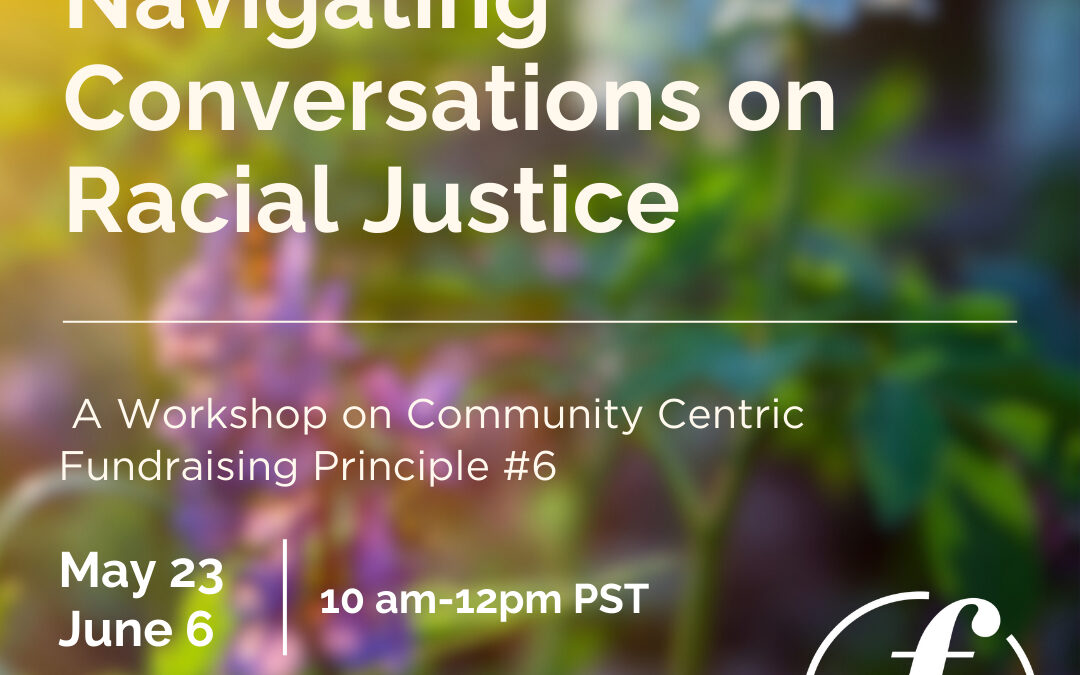
Navigating Conversations on Racial Justice: A Workshop on Community-Centric Fundraising Principle #6, May 23 and June 6

Navigating Conversations on Racial Justice: A Workshop on Community-Centric Fundraising Principle #6, May 23 and June 6

Check out the two-part series Navigating Conversations on Racial Justice: A Workshop on Community-Centric Fundraising Principle #6, May 23 and June 6, 10-12 pm PST.

What would be possible for our relationships and communities if we courageously address the topics we’ve been avoiding? Successful movements require challenging conversations – what would be possible if we could get through those moments in a generative and loving way? What does it look like to have some of the conversations we’ve been avoiding or are afraid to have?

Join us for an opportunity to embark on this deeply personal and professionally transformative journey. This workshop is open to all nonprofit white staff, not just those directly in fundraising. Together, let’s commit to the hard but necessary emotional labor of becoming more reliable allies in service to justice and equity.

Presenters

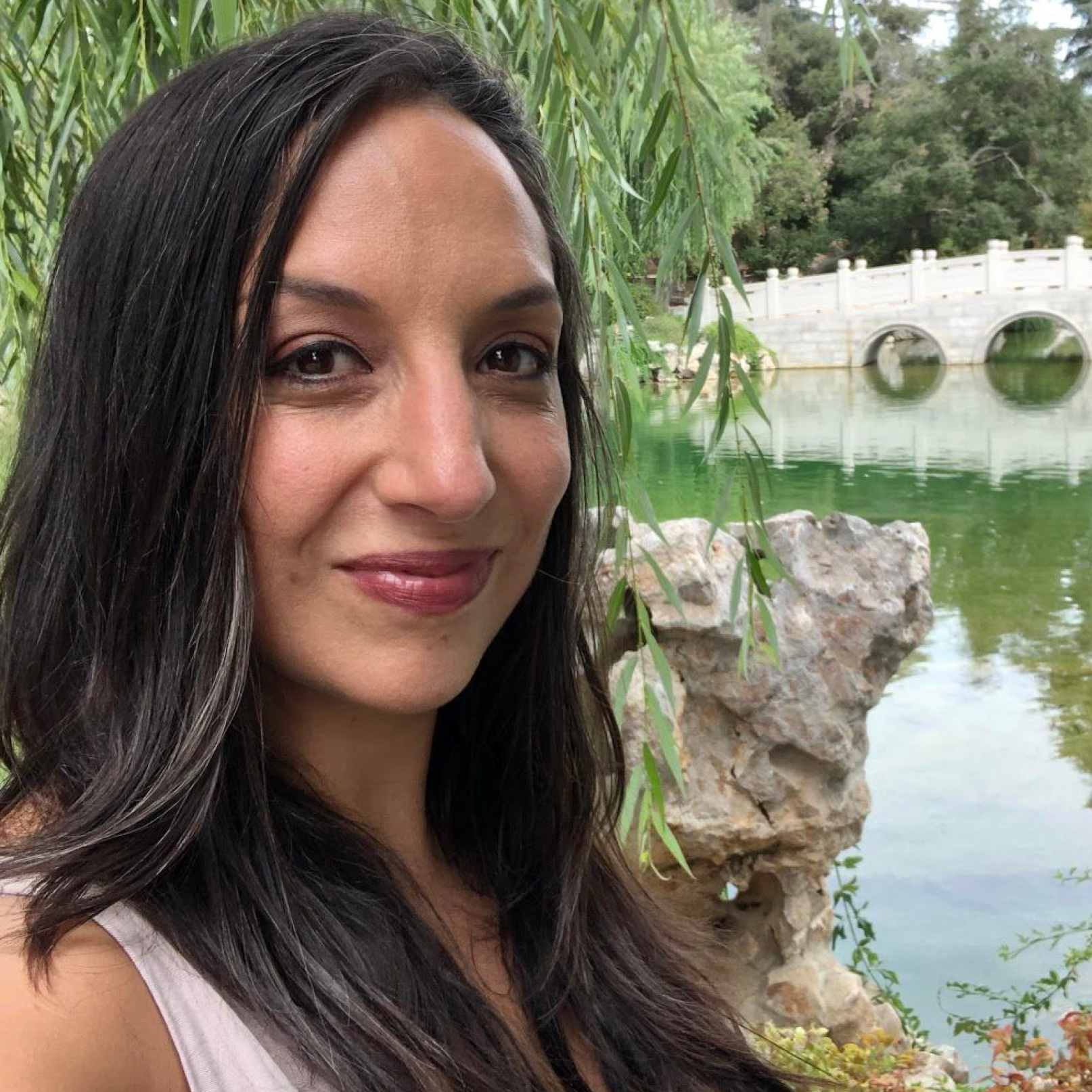
Michelle Shireen Muri

Michelle Shireen Muri

Ignited by a beautiful volunteer experience, Michelle (she/her) has crafted her career through 15 years of resource generation through social justice movements. Her successes and tenure at Northwest Immigrant Rights Project, now the largest immigrant rights org in the nation, fostered a critical lens towards fundraising and a deep love of community solidarity.

She believes there is deep power and personal healing in the work of generating resources from a values-aligned space.

Michelle is the founder of Freedom Conspiracy and Co-Founder of Community-Centric Fundraising.

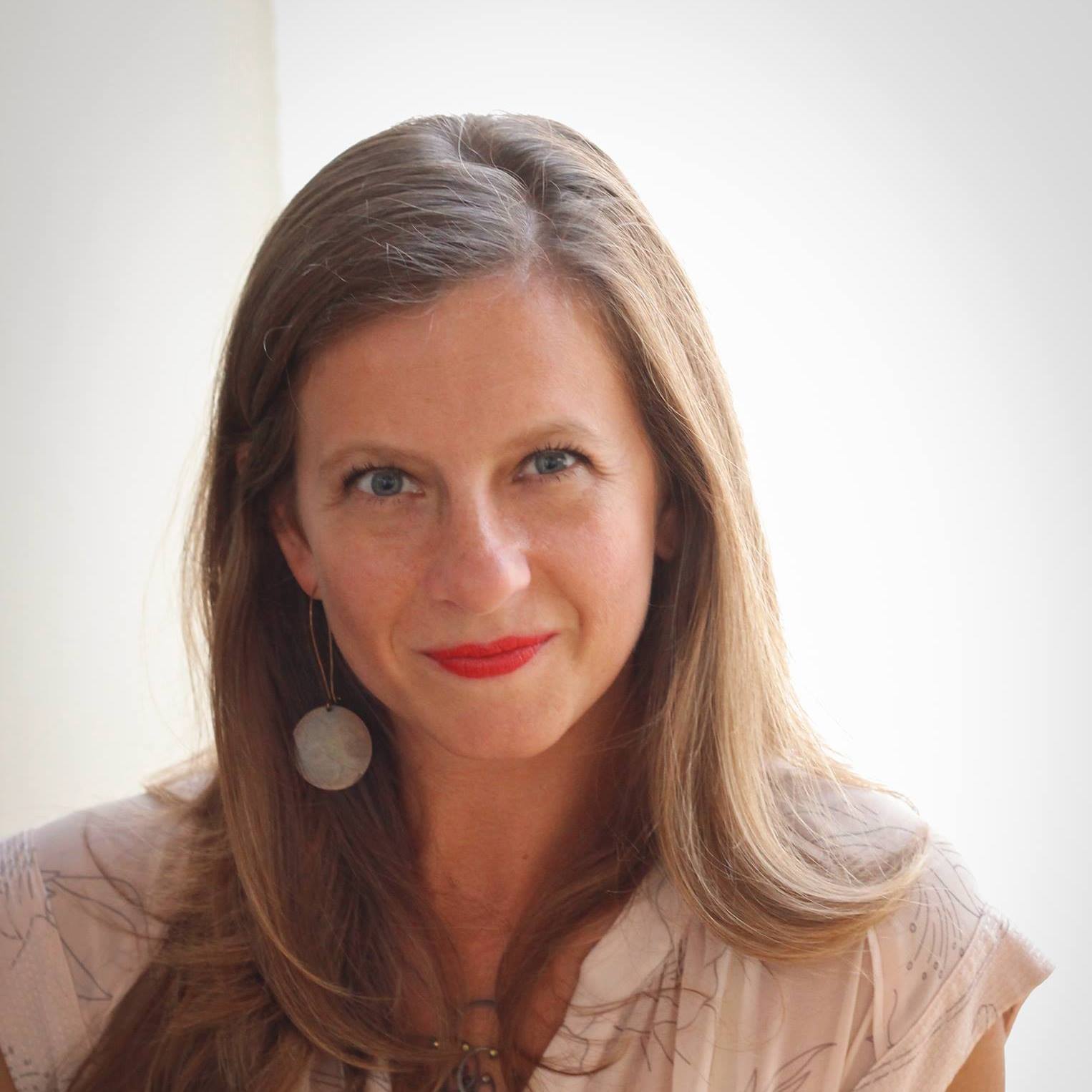
Fleur Larsen

Fleur Larsen

Fleur Larsen (she/her) is a facilitator, consultant, and coach whose work is anchored in relationship and intersectionality; knowing we can transform systems as we heal and learn at the individual level as well. She deeply values community building and organizational development by supporting people developing a power and privilege analysis.

The core of Fleur’s work is influenced by deep personal practice to understanding the impacts of her own gender and racial identities as a white woman. For the last seven years she has specifically engaged her community of fellow white women in a commitment to racial justice, healing, and action. She invites all white women to join together as we decenter ourselves and powerfully use our gatekeeping status for racial justice and liberation. The strength felt in numbers can be powerful and inspiring such as this call to action for 25K white women to demand gun safety on June 5th by Here 4 the Kids

Let’s talk about how nurturance culture can improve our movement

Let’s talk about how nurturance culture can improve our movement

By Chris Talbot, nonprofit laborer and born activist

…we, collectively, need to discuss how we are contributing to the burnout of the BIPOC women who serve as moderators in our movement and, more importantly, how we can conduct ourselves to match their intentionality.

Our dedicated Slack channel moderators are on a well-deserved break until June 30. I appreciate their service and wish them a restful and rejuvenating time.

In the meantime, I think we, collectively, need to discuss how we are contributing to the burnout of the BIPOC women who serve as moderators in our movement and, more importantly, how we can conduct ourselves to match their intentionality. We need to sort ourselves out so they can focus on imagining what our collective liberation could look like and building that world (instead of spending most of their time holding space for people behaving poorly and continually reminding us that they aren’t the Slack police).

Let’s spend these next two months figuring out how we are going to build this movement in solidarity with each other, how we intend to hold each other’s truths, how we will navigate tensions, and how we will push for transformational change in a way that is sustainable for the long term—both for ourselves and our moderation team.

(Side note: Some mistakenly believe that I’m on the Global Council or some sort of authority in the CCF space—maybe because I speak like an authority on things I choose to write and illustrate. But I am a member, just like everyone else. I just also edit The Content Hub, sit on the CCF Communications Team, and manage the CCF social media channels.)

Now that we have that level-setting out of the way, here are my individual, non-authority-figure thoughts that I hope people can riff off of, argue against, or otherwise start our movement-building conversation with.

We have to behave in a way that allows for growth, shows grace, and insists on accountability

In every justice, equity, diversity, and inclusion (JEDI) training I’ve ever done, I’ve always begun with a reminder that because we don’t live each others’ experiences, we will unintentionally and unwittingly harm. When existing in a community, it is our responsibility to be open to hearing about that harm and grow from the knowing.

Harm can look like inadvertently using a dog whistle or a biased or bigoted talking point we don’t understand the full meaning of. We must be open to hearing about it without trying to defend ourselves or center our intentions. We must be willing to learn better and do better. If we are to be in relationship, we must be (collectively, not necessarily individually) ready to conduct call-ins and have difficult conversations.

While many of us in the spaces the Founding Council and the Global Council have created for us are strangers, we have relational responsibilities to one another. Otherwise, we aren’t a community and will never build one. From Turn this world inside out: The emergence of nurturance culture: we need to create a “social fabric that fills the space between ‘the close intimate whom I have chosen to care about’ and ‘the complete stranger whom I have no obligations to whatsoever.’” 

The CCF Communications Team attempted to help create guardrails for this social fabric, outlining those responsibilities (towards the bottom of this document, under the header “Our Values and How We Embody Them While Interacting on Slack).

While we may not always live out our best selves in every interaction, we can try to embody this ideal and commit to true accountability and repair when we don’t. “…we have to push ourselves, collectively, to expand capacities for care and empathy, to learn how to listen to human beings who walk in the world with the physiological and neurological impacts of hidden forms of systemic violence.” (Turn this world inside out)

A few months ago, I posted about the importance of acknowledging the power differential when it came to Palestine and Israel. I used the phrase “the Zionist agenda.” Someone who recognized that phrase as a dog whistle was harmed by this phrase and went on the offensive in the comment section. 

My initial internal reaction was one of defense. My heart sank, my blood vessels pulsated. As someone who lives with anxiety, I recognized it as my fear response. But I took a breath, emotionally regulated, and instead asked them to say more. “I’d be interested in hearing more about how it is an antisemitic trope. I hadn’t heard that before, and I’d like to look into that more.” They then shared with me how people like Alex Jones have used it to claim that Jewish people have a plan for worldwide domination – something I was not privy to. 

After they shared that with me, I ensured that I had understood. “I think I understand. The phrase ‘the Zionist agenda’ could be problematic because people may conflate what I’m speaking about… with alt-right beliefs that Jewish people control the world because they conflate Judaism and Zionism. I will amend my statement. Thank you for sharing this with me.”

If harming parties can emotionally regulate like this and react with intentionality rather than reactivity, this type of exchange can be the norm. 

We need to continuously be doing our internal emotional work to be more receptive to correction

We can move from I did something terrible, so I must be horrible, to I am sorry for what I did, and I would like to repair our relationship and trust.

The reason I could emotionally regulate through the start of an anxiety attack in response to being called out on my ignorance is that I’ve spent years doing my internal emotional work and have learned grounding techniques to pull myself out of a shame-induced anxiety spiral. (Also, I take anti-anxiety medication, which is sometimes also necessary for those of us who have had traumatic pasts and developed a propensity towards anxiety. While it is not our fault, it is our responsibility to do what we need to not weaponize our dysfunctional emotions).

One of the internal things we should all be doing is healing from the shame and guilt that come from the white supremacist belief we’ve been indoctrinated with that having caused harm means that we are bad people. Until we let go of that belief, we won’t be receptive to correction or admitting fault and can’t build meaningful connections with others in our community. If we do our internal emotional work, we can remove shame and guilt from our lives and instead experience a more healthy and helpful emotion when called in or called out: remorse. 

We can move from I did something terrible, so I must be horrible, to I am sorry for what I did, and I would like to repair our relationship and trust.

If harmed parties have the emotional capacity to call in with grace, that is ideal. But truthfully, the best bet is if bystanders step in. Too often, in cultures of “nice,” we avoid getting involved when we see someone behaving in a way that is harmful to others in our community. 

Not speaking up harms everyone.

“…people—and systems that are theoretically meant to protect you, which may be actively perpetuating that violence instead—not naming it, normalizing it, make it as though you deserved the harm, or as though it is normal for that to happen to you and crazy to resist. That can cause very distinct trauma responses that are beyond the harm itself…taking clear action cuts down on the deep betrayal of bystanding that can cause such fundamental breaks in human trust.” (Turn this world inside out)

Call-ins and call-outs should be done in a way that doesn’t treat people who misstepped or messed up as disposable. Instead, a call-in can be done in a way that reminds the harming party of their humanity and inherent value and pulls them further into the community. 

“We like you. We are not going to shun you or turn away from you. You belong and have inherent worth as a human being. Also, this action, this ingrained entitlement and harmful behavior is not okay and needs to stop. We will turn toward you, connect with you, and tell you no.” (Turn this world inside out)

But any way we are called in or out, we must be emotionally regulated enough to consider it a gift. 

One way we can do that is through healing any insecure attachment styles we may have clung to in our childhood to survive it. From Polysecure: Attachment, Trauma, and Consensual Nonmonogamy, “Attachment styles are not static! If you experienced an insecurely attached childhood you can still go on to have healthy securely attached adult relationships, experiencing what is called an earned secure attachment. Your attachment styles are survival adaptations to your environment and since they were learned, they can also be unlearned.” When we heal from insecure attachment styles, we move out of believing that we are the worst things we have done, and we learn to accept criticism of our actions as an opportunity to do better and deepen our connection with folks in our community.

I personally believe that this type of inner work, while individual, should not be done alone. I recommend seeking counselors, therapists, support groups, affinity spaces, or joining an Anonymous group that best aligns with how you developed insecure attachment in the first place. For me, that is Adult Children from Alcoholics and Dysfunctional Families Anonymous, and it’s been life-changing (although truthfully, I’m highly therapized and belong to multiple support groups and affinity spaces, so maybe it’s a combination of all of those methodologies).

We need to recognize when we are creating a culture where BIPOC folks do the work and white people are never expected to

We recently had two instances where white folks who had a different intersection of marginalization ran roughshod through the Slack channel, in the social media comments sections, and in the emails of members and especially the BIPOC leaders of Community-Centric Fundraising. 

There were numerous attempts at 1-on-1 conversations, a listening session, resource sharing, and more—all done with the goal of restoration and maintaining these people’s continued presence in the space. 

And it boils down to this: white people, in most spaces, are catered to in a way that they are never required to emotionally regulate and come to a table ready to build community. BIPOC folks in most spaces are constantly asked to be continually uncomfortable, sometimes traumatized, and perpetually emotionally regulated for the benefit of the community.

If BIPOC folks are coming to the table emotionally regulated and with humility to have an honest and truth-seeking conversation, and the white folks are using the BIPOC folks as a punching bag, we can’t be in true community.

White folks need to pay particular attention to how they are showing up because they have been centered as the default, and catering has become normalized for them. 

“As Black feminist thinkers such as Audre Lorde have observed and articulated, it is so taken for granted in our culture that those with marginal subjectivity will constantly placate those who are dominant, that this is seen as perfectly unremarkable by those with more power, while those doing the placating have silence—and exhaustion, and trauma’s many bodily impacts—as their shelter and companion.” (Turn this world inside out)

For white folks, I’d invite you to investigate how you’re showing up, especially when it comes to how you’re showing up in your communications with our Women of Color leadership and moderation team.

  1. Investigate what you are trying to get from the exchange and check in first to see if it’s a good time to have it. If someone isn’t in the headspace to deal with your concern at the moment, if you want to be centered by don’t want to recognize the other person’s humanity, or if you aren’t in true community and only reach out when you need someone to blame or a punching bag, what are you going to get out of the exchange? If it’s to be heard, is this person the best person to hear you right now? Are you emotionally regulated enough to recognize the other person’s humanity and treat them with dignity? If it’s to have a punching bag, is this multiply marginalized person of color the actual target, or someone you’re projecting your hurt onto because it’s safe and easy to do so?
  2. Investigate what you think you can get out of the exchange if the other person doesn’t have the expertise or spoons to help. A lot of the hurt in one of the exchanges had to deal with the fact that I had to create boundaries for my well-being because I experienced similar trauma and was not the right person to “fix the issue” for them we both experienced. The expectation often seems to be that I will understand the experience and be best equipped to help as a multiply marginalized person. And while it is true that I understand the experience, I’m also working on battling my oppressions and my mental wellness issues. Perhaps finding someone who is not working so hard to survive might be better equipped to help.
  3. Investigate if you are showing up in a way that builds community and is psychologically safe for the other person and yourself. In nearly all of the touchpoints I experienced with that person, it was clear that they didn’t have me or past conversations with me in mind, including boundaries and guardrails we agreed to regarding conversations. A psychologically safe environment would be one where we are given grace to make mistakes and learn, are valued for our contributions (even if the receiving party doesn’t find them helpful—they were provided from a place of deep care and should be valued as such), our lived experiences are respected, we’re able to ask questions, and we can point out harm and have it acknowledged when it happens. In my experience, these ways of being are assumed for the party weaponizing their hurt and failing to regulate emotionally, but not for the one receiving all this added emotional labor and, indeed, abuse.

We need to learn how to balance turning in toward someone harming while simultaneously protecting others in the community

This is where I get lost and need to do some more learning. I’m entirely unsure of how to protect myself while keeping the door open for those who have harmed me in case they want to take accountability and do repair work. I have gone no-contact with members of my family and have had accomplices send thanks, but no thanks emails to antagonistically transphobic volunteers and donors (after attempting to conduct a teaching call-in) because I haven’t figured out how to hold this tension.

How do we continue to turn toward someone who is harming the community instead of turning away? How do we protect others, particularly those carrying heavy emotional loads, in the community while turning toward them?

I think we definitely have determined that we can no longer require our moderators—who are all BIPOC women with full-time jobs and fuller lives—to hold all of this for us without requiring that folks do their own internal labor. 

“I think about the ways that women of color are expected to give emotional labor to white women in organizing spaces as a matter of course. We need to recognize and value the skills folks have developed while also working to shift the burden of the work of the people who experience the most systemic oppression.” (Turn this world inside out)

If we can’t agree on anything else, let us agree on that.

I hope this can be the start of a conversation where we discuss these things and determine how we will conduct ourselves as the movement. Let us figure out how to move forward, building solidarity, holding each others’ truths, holding space for correction and change, and pushing for transformative rather than incremental change. When we mess up or misstep, let us see it as our responsibility to make repairs and be open to doing so with open hearts, holding our relational responsibilities to one another at the forefront.

Let us be better than the oppressive systems that separate us and have taught us to be separate. Let us reimagine what community can look and feel like. And then let’s build it.

Chris Talbot

Chris Talbot

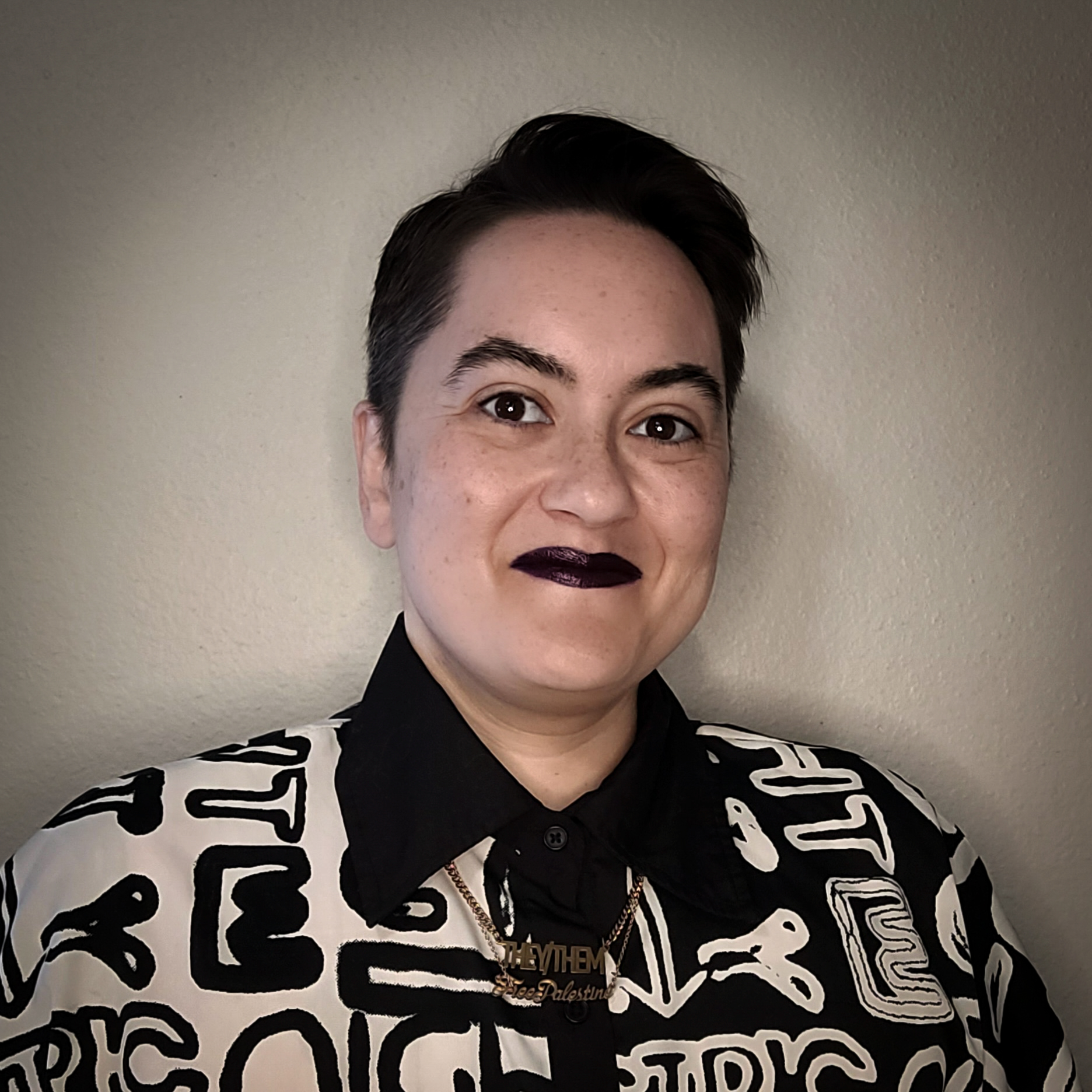
Chris Talbot (they/them) is a queer, trans nonbinary, mixed-race artist, activist, and nonprofit employee. When they aren’t working the day job, they spend their free time editing art and literature magazines, writing and illustrating educomics to help folks affirm their nonbinary pals, creating a graphic novel to describe what it’s like to be nonbinary in a gender binary world, cuddling their cat, and quad skating in the park. 

You can find Chris at talbot-heindl.com, on LinkedIn, Instagram, Bluesky, and Twitter — and tip them on Venmo or PayPal or join as a patron on their Patreon

Multiculturalism is a cancer to Black progress

Multiculturalism is a cancer to Black progress

By: Johane Alexis-Phanor, a fundraising and communications consultant with an expertise in raising funds for Black-led movements

This modern-day multiculturalism claims that it serves a diverse society, but it serves no one but mainstream white interests. This multiculturalism is inherently anti-Black.

Multiculturalism is a cancer to Black progress.

And when I say “multiculturalism,” I don’t mean living, working, and serving harmoniously in and on behalf of a multi-ethnic, multi-racial, and multi-religious society. I’ve worked in those environments. From 2011-2012, I served in the Office of Civil Rights at the Boston Housing Authority (BHA) in their Language Access Department. Our office was responsible for recruiting and training interpreters and translators to serve multi-lingual speakers who lived in BHA housing and ensure that they had meaningful access to housing applications, screenings, hearings, and other information in their language. We partnered with community-based organizations to recruit the top 5 spoken languages living in BHA at the time: Mandarin, Haitian-Creole, Spanish, Portuguese, and Vietnamese. We were very clear about the needs of the people we served and our multi-racial and multi-lingual office and its group of volunteers worked well together. 

When I say “multiculturalism,” I also don’t mean having a multicultural background, interest stemming from different cultures, or having a multicultural circle of friends.

When I speak about the ills of multiculturalism, growing uncontrollably, metastasizing, and impairing the normal function of movements on behalf of Black people, I am speaking about the twisted modern-day iteration of multiculturalism as a social justice movement. 

This modern-day multiculturalism claims that it serves a diverse society, but it serves no one but mainstream white interests. This multiculturalism is inherently anti-Black.

The Original Intent of Multiculturalism

The original intent of contemporary multiculturalism as a global movement in places like the U.S. was to include, recognize, and remedy the socioeconomic and political harms experienced by “minority” groups.  

Multiculturalism was intended for BIPOC, LGBTQ, people of different nationalities and religions, and people with disabilities to maintain their distinctive collective identities and practices. It was originally meant to celebrate the various cultural expressions of different groups. Initiatives like ethnic studies in schools, religious exemptions, and multilingual access are all examples of multiculturalism. 

The Problem with Modern Day Multiculturalism

But somehow and somewhere along the way, the original intent of multiculturalism has morphed into a social movement that has become dangerous to Black liberation. These are the five reasons why I ran from multiculturalism: 

1. Multiculturalism chips away at Black solidarity.

The impact of multiculturalism is that Black people who should be the most concerned about the issues that directly impact them, their families, and their communities distance themselves from Black resistance movements. The National Urban League’s most recent “State of Black America” found that the Equality Index of Black America is 75.7%. This index measures Black American’s progress compared to whites’ regarding economics, health, education, social justice, and civic engagement. According to the President of the Urban League of Eastern Massachusetts, Rahsaan Hall, based on this Equality Index, “At this rate, Black people would not see parity with white people in this country for 180 years.” If we are to make any progress, it is important more than ever that we build collective power. However, multiculturalism threatens Black solidarity.

I met with a prominent Black leader recently, and in getting to know each other, I shared with them that I raised money for Black-led organizations. Upon hearing about this aspect of my work, they immediately went into a diatribe about how they had been educated in Europe, that wealth had a more significant impact on equity than race (completely disregarding intersectionality AND the effects of race on wealth), and that they had to “like everyone” because they served a diverse community. This conversation revealed to me some of the biggest problems with multiculturalism.

Multiculturalism has led Black people to champion diversity over the anti-racist work of Black-led movements.

Multiculturalism has brainwashed Black people into turning their backs on our community’s most pressing issues.

Multiculturalism has instilled fear in Black people so that they do not dare to prioritize Black issues lest they be labeled racists, prejudiced, or segregationists.

Multiculturalism has deceived Black people into thinking that to concern oneself with the progress of Black communities is to have disdain for other groups of people. Yet the goal of Black liberation movements has always been to fully acknowledge the humanity of Black people, not to deny the essential humanity of other races.

Multiculturalism has completely robbed Black people of Black solidarity, and this is a hindrance to our progress. 

2. You can not escape anti-Blackness under the cloak of multiculturalism.

Multicultural spaces do not inherently uplift Black communities. I have been working in community development for the past ten years, and anti-Blackness is pervasive in these multicultural spaces. I’ve witnessed Black people being spoken about disparagingly, denials about the existence of structural racism, and have been met with silence and rejection upon centering Blackness. 

One of the most disheartening conversations I’ve had occurred when a non-Black POC who was responsible for the economic development of a Black community expressed to me that Black people did NOT know what they wanted when it came to economics. I was flabbergasted and listed the basics starting with good-paying jobs. I could not believe that this person was tasked with developing initiatives that supported the economic empowerment of Black people. But this type of minimizing of Black people’s intelligence and contributions is not uncommon in multicultural mission-based fields. 

What’s most egregious about multicultural movements is that they use the language of equity while being deeply entrenched in anti-Blackness. 

I met with a founder of a multicultural platform whose rhetoric was explicitly anti-racist. Their brand and every article written about them spoke to closing the racial wealth gap and empowering marginalized communities. Yet, in speaking to this founder, the moment I mentioned a statistic that spoke to equity issues for Black people in this person’s field, I was met with silence. And although we had spent almost 30 minutes brainstorming the ways we would collaborate, I never heard back from them. When I went online to learn more about this person’s work and where I could have gone wrong in our conversation, I found an interview where they had used the exact same statistic that I had shared with them. And so although we spoke the same language of social justice, I quickly learned that multiculturalism uses language to mask its lack of intent to tackle equal rights on behalf of Black people.

3. Multiculturalism in and of itself has become some kind of moral pinnacle.

Modern-day multiculturalism is not concerned with advancing social justice on behalf of Black communities. Multiculturalism believes itself to be the penultimate expression of social justice. Multiculturalism has become the dream that MLK had. Multiculturalism has become the  proverbial “mountain top.” If one is well-educated, well-traveled, and progressive, then one must be multicultural, not necessarily anti-racist. Multiculturalism has become a token and a badge of honor with no real substance behind it. 

4. Multiculturalism celebrates instead of resists.

Unlike the Rainbow Coalition of the 1960s – a multi-racial alliance that fought against police brutality, segregation, and disinvestment in Black, Brown, and poor white communities – multiculturalism is not interested in confronting deep social and economic discriminatory policies. Multiculturalism is not interested in restorative justice, combating anti-Black racism, questioning, or challenging power structures. Resistance is much more difficult and much more dangerous than the celebratory nature of multicultural movements. It’s much easier to celebrate diversity than it is to fight the displacement of Black communities and mass incarceration. And so, in multiculturalism, we have inherited a watered-down version of coalition building for social justice.

5. Multiculturalism’s primary focus is on inclusion and not combatting unjust systems.

Inclusion in and of itself will not repair the harms of slavery, segregation, and discrimination in this country. But multiculturalism has so concerned itself with inclusion that many of its movements have devolved to not just including but centering powerful white interests. After all, if inclusion and not resistance, accommodation and not justice are the primary goals, then does it not make sense to include white power structures in the movement? 

One of the most dangerous forms of multiculturalism that I have seen has been to use this strange doublespeak wherein to challenge white power structures is exclusionary, but to accept them is seen as radical inclusion. I have witnessed movements that started off with good intentions succumb to this harmful form of multiculturalism. 

I met a leader early on in the creation of their organization. They came to me with facts from the Bureau of Labor Statistics about the type of workplace inequities they hoped to repair. To my dismay, this movement has since completely abandoned its original mission of creating pathways of opportunity for Black people. Instead, they have chosen to focus on “inclusion” over tackling the unjust systems that hinder the economic empowerment of Black people.


Modern-day multiculturalism is not interested in practices and policies that protect or uplift Black people socially or economically. Multiculturalism is not interested in decentering Whiteness. It hopes to gain power by gaining proximity to white power structures. The same white power structures that have dehumanized Black people and Black communities for centuries. 

I reject multiculturalism and instead choose to center Blackness. I am inspired by the words of the Insight Center for Community Economic Development that state, “Anti-blackness is the foundational architecture of the rules that maintain racial oppression and economic exclusion today, so we need a new approach to reassess and reimagine the rules, policies, and narratives that uphold it.

“In these times of extreme racial and economic inequality, we must move beyond ‘normal’… By centering Black people in the creation of new policies, systems, and institutions — in the pursuit of economic liberation for all…”

Author

Author

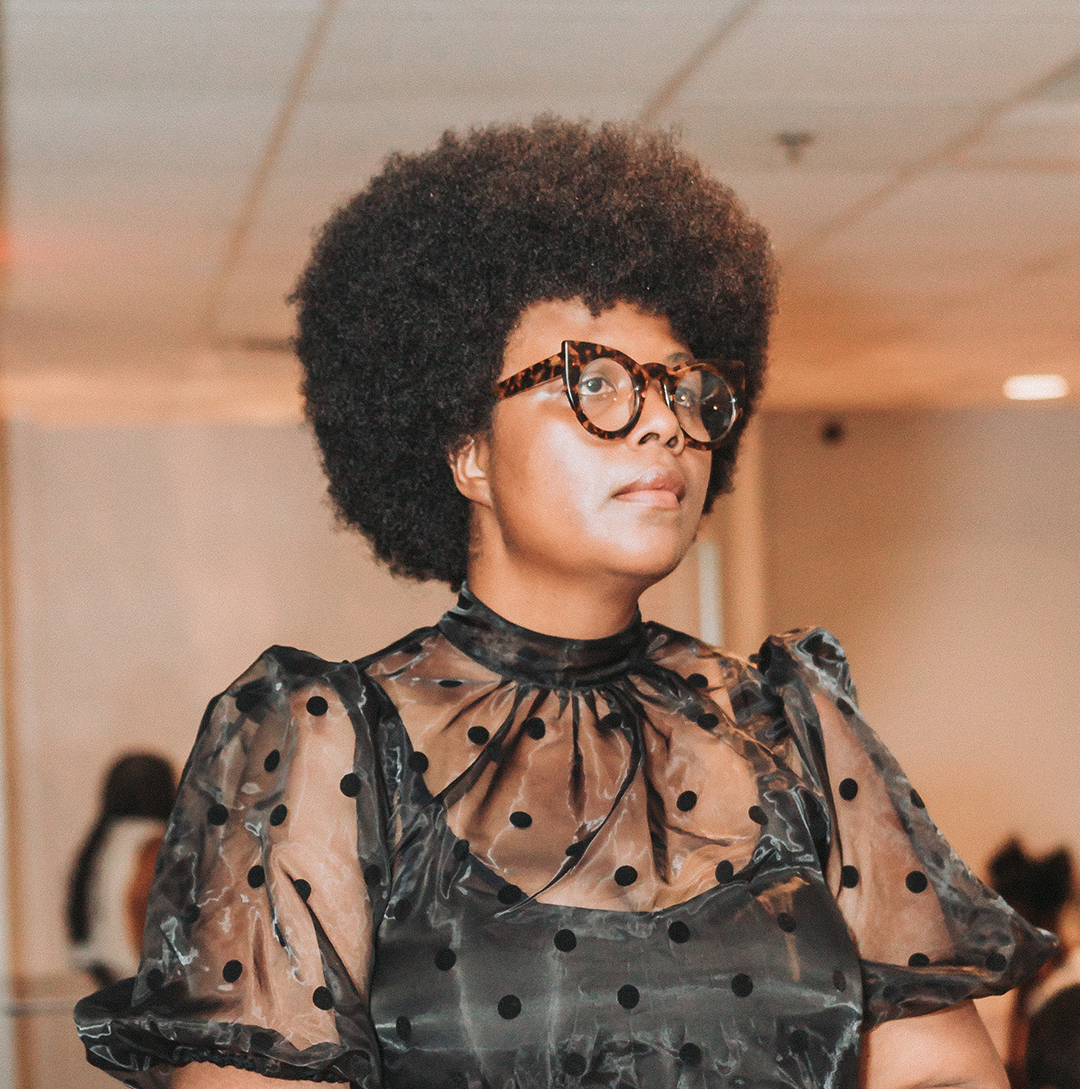
Johane Alexis-Phanor (she/her) is a fundraising and communications consultant with an expertise in building capacity for organizations that impact racial equity. She grew up as a second generation immigrant in the Haitian enclave of Mattapan, in Boston. Using her entrepreneurial spirit, she launched Beyond Wordz to assist with the organizational development of non-profits doing work to positively impact Black people and Black communities. To date, she’s raised close to $3 million to support community development initiatives. In 2022, she was one of 5 finalists for the Haitian-American Young Citizen of the Year given by the U.S. Haitian Chamber of Commerce to recognize professionals under 45 whose commitment, outstanding civic engagement, volunteerism and public service has benefitted their community. Follow her on Twitter at @beyondwordz_.

S.M.A.R.T. Black Philanthropy aims to advance a new model of philanthropy in Black communities. This model is asset based instead of deficit based. It prioritizes a collaborative approach instead of a competitive approach to philanthropy. Finally, it is rooted in Black traditions and movements.  

SBP is written from the perspective of Johane, a Haitian-American woman, who inadvertently found herself in the field of community development working to leverage charitable giving to support the economic empowerment of communities of color. It challenges the current paradigm of philanthropy while exploring issues of Black self-reliance, structural inequalities in the non-profit field, the intersection of faith and social justice, and more. The S.M.A.R.T in S.M.A.R.T Black Philanthropy stands for specific, measurable, achievable, realistic, and timely- an acronym that is often used to set mission-driven goals. These writings present a S.M.A.R.T alternative for achieving greater social good through philanthropy.