Community Centric Fundraising (CCF) and Nonprofit Leadership

Community Centric Fundraising (CCF) and Nonprofit Leadership

By Sommer Dawson and Rickesh Lakhani, nonprofit executive directors and members of the CCF Global Council

“I took on a role as executive director… came on board and realized that there’s no way that I can kind of shift from being a community-centric fundraiser to not being a community-centric leader, as an executive director. And I just have kind of embraced the role by sort of filtering all my decision making through the lens of community-centric fundraising.”

What does the Community Centric Fundraising (CCF) movement mean to nonprofit leaders who are not fundraisers? What does it mean to be a community-centric institution? How are organizational leaders living and breathing CCF? How has CCF informed your nonprofit leadership? Also, if you’re trying to move your organization towards CCF principles, how can you influence leadership to take action?

Sommer Dawson and Rickesh Lakhani, as nonprofit executive directors use their knowledge of CCF principles to lead their organizations. Hear their responses to these questions and more!

Sommer Dawson

Sommer Dawson

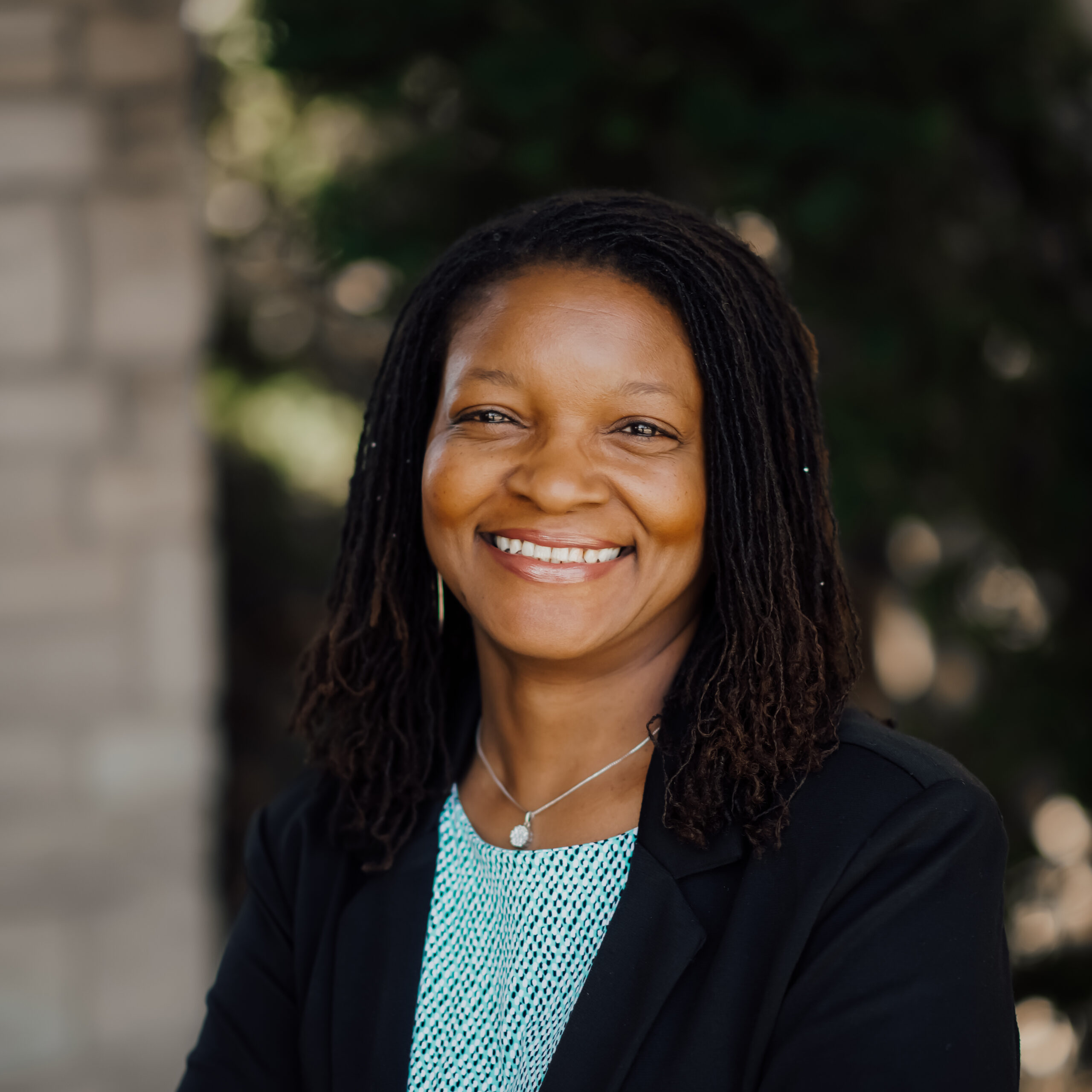
Sommer K. Dawson (Brock, she/her) is a dedicated servant leader with a passion for improving outcomes for disadvantaged groups. She has worked to fulfill this desire by serving in various fundraising capacities at several nonprofit organizations in southeast Michigan, including the Frankel Jewish Academy, Society of St. Vincent de Paul – Detroit and Cranbrook Educational Community and by providing consulting services. Currently, Sommer serves as Executive Director at Accent Pontiac. 

Mrs. Dawson has just completed a term as Immediate-PastPresident of the Greater Detroit Chapter of the Association of Fundraising Professionals where she has served in various roles including chair of the National Philanthropy Day committee and vice-chair of the Inclusion, Diversity, Equity, and Access (IDEA) committee. In addition, Sommer is a member of the Community-centric Fundraising (CCF) Global Council, former Vice-President of the Board of Trustees and chair of the Governance Committee for Accent Pontiac and a past board member for Identify Your Dream Foundation, Pontiac Community Foundation, and The Art Experience. A Certified Fund Raising Executive (CFRE), Sommer holds a Bachelor of Science degree from the University of Michigan – Ann Arbor and a certificate in Nonprofit Management from Oakland University.

Sommer is the founder of No Nonsense Fundraising, LLC which helps to expand the reach and impact of small nonprofits, she is a graduate of Leadership Oakland XXVII (27) and a member of Oakland County Elite 40 under 40 class of 2018. She enjoys spending time with her children, Jacoya, age 22 and Trent Jr., age 10; and traveling with her husband, Trent, Sr.

Sommer has presented fundraising workshops for countless nonprofit organizations and for groups as large as 50. Satisfied workshop clients include Co.act Detroit, Pontiac Funders Collaborative, Micah 6 Community, and Leadership Oakland. Additionally, Sommer has presented for The Association of Fundraising Professionals’ Global Conference, AFP ICON in 2021 and 2022.

Rickesh Lakhani

Rickesh Lakhani

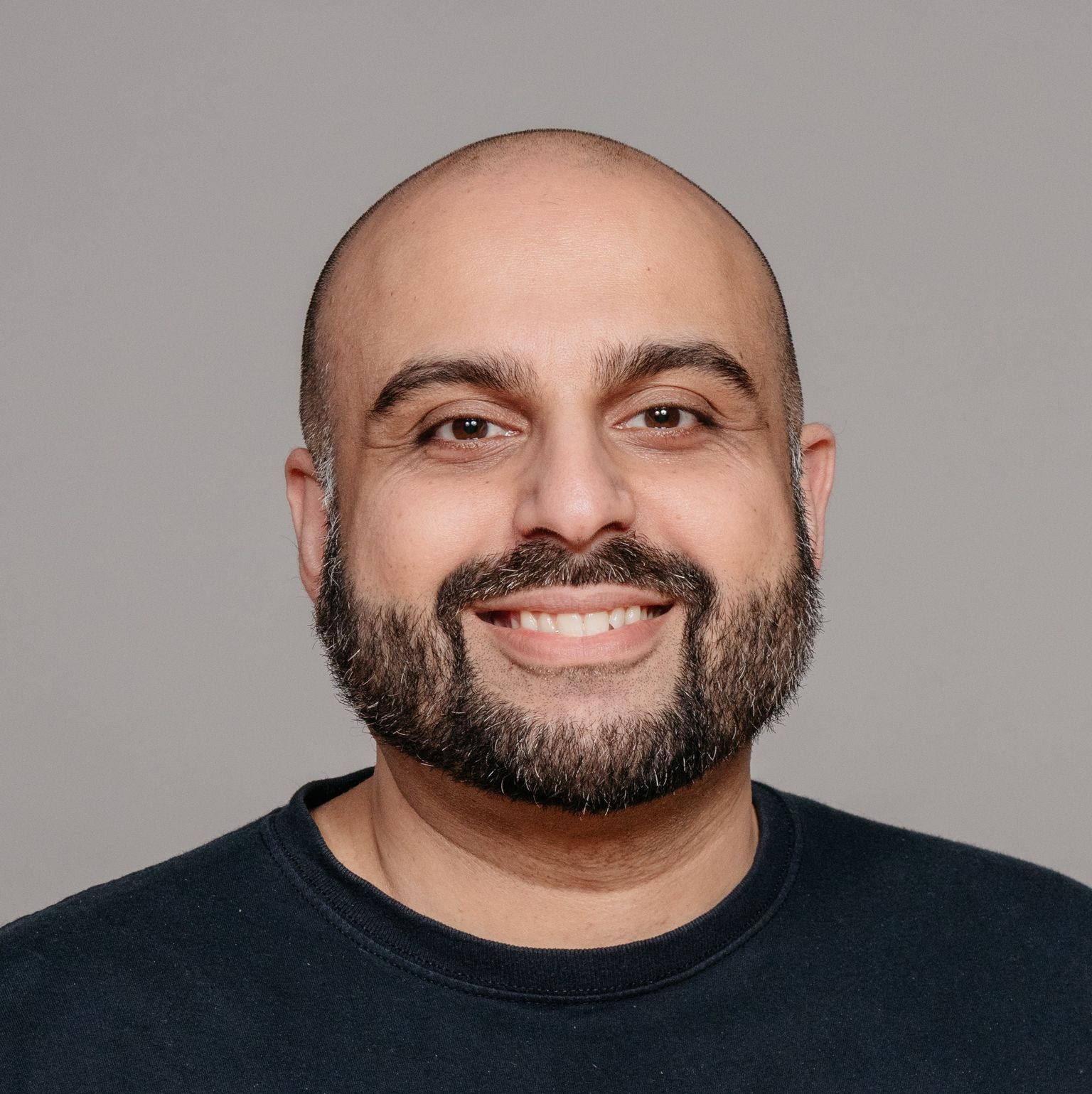
Rickesh (he/him) believes that we are all responsible for each other’s success. He has over 15 years of experience in the social good sector. He recently served as the Executive Director at Future Possibilities for Kids, a charity supporting children in their middle years in the Greater Toronto Area in leading community-serving projects while building confidence, leadership and life skills. Prior to this, Rickesh was the Director, Campaign at United Way York Region, leading an $8M annual fundraising campaign. He is a work in progress. He enjoys time with his family including his 3 sons, camping, bike riding, cooking, playing drums, and engaging on social media.

My workplace aligned with CCF; they didn’t know it.

My workplace aligned with CCF; they didn’t know it.

By Abigail Oduola planned gift fundraiser in California

It is easy to feel frustrated when you are passionate about CCF but your workplace does not seem interested or is hesitant to engage. Do not despair! The people where you work might be more aligned than they initially seem.

What does it mean for a workplace to be Community-Centric Fundraising aligned? We can answer that question in several ways, shown not just by statements, but through how the organization functions and considers others in its engagement. 

As I write this, a study is collecting data on how workplaces have implemented CCF now that we are five years into the movement. CCF has spread across the sector and has changed how people talk about fundraising, shifting the conversation from exclusively a donor-centric model to reconsidering what fundraising can look like that includes entire communities.

It is easy to feel frustrated when you are passionate about CCF but your workplace does not seem interested or is hesitant to engage. Do not despair! The people where you work might be more aligned than they initially seem. 

The following story is my experience working at a full-service international development and refugee resettlement agency, Church World Service (CWS). They forever changed my expectations of what it means to work in a nonprofit space in a pre-CCF world (2015-2018). This experience was formative in my workplace imagination of nonprofit fundraising before I had the language for it.

History is who we were and who we are.

The first Black institution in Toronto, Canada, First Baptist Church, said something interesting when I visited them earlier this year. They said, and I paraphrase, “We could coast off our amazing history. But we are not going to do that. We will define ourselves by who we are and what we do today.” 

During the Civil Rights Movement, CWS paid the salaries of white pastors who were fired from their congregations for wanting to advance Civil Rights. In the 1960s, they started thinking about long-term solutions beyond food aid. They thought about the dignity of the communities they served and engaged with in their photos, and I remember an organizational leader saying they wanted to see “fat happy babies” on fundraising materials rather than people on their worst days. They were using asset-based community development early on.

I learned from CWS to expect nonprofit organizations to grow from just learning about the needs of the community to guiding donors into alignment with the communities’ interests. Program staff I met felt proud to work for CWS because of what their work entailed and how their work was done. They value partnership with other organizations and working together with communities to achieve the community’s goals rather than coming from a perspective of deficit. And one of those communities was proud to see me, a Black American, fundraising and representing the projects they had been working toward in their community.

We have a Black CEO.

…an organization that chooses Black, Indigenous, and People of Color leaders intentionally rather than waiting until a cultural moment happens leaves no doubt in the minds of young staff that not just their skin color, but also their contributions are valued.

Rev. John L. McCullough served as the CEO of CWS from 2000 to 2021. Before Obama. Before George Floyd. 

The earliest statistics that I could find stated that in 2004, 84% of nonprofit executives were white, and in the absence of the corresponding board statistic, I doubt it was different. I remember feeling incredibly excited to meet a Black CEO for the first time in my life. When I went on donor visits with him and the chair of the board—also a Black man at the time—walking into donors’ homes in the Pacific Northwest felt powerful and amazing. 

Riding around, we talked about the history of racism in the area, shared stories of uncomfortable donor interactions, and spoke about keeping our identities while representing an organization that meant many things to many people. He asked me for feedback from our donor visits and how he could improve. He also came to a donor presentation of mine and gave public speaking advice, advising me to know my material in and out so that I can be flexible in my delivery.

To receive mentorship moments from someone who was several degrees removed from my entry-level fundraising role taught me that regardless of a role that someone holds in a hierarchical structure, they can make choices to be accessible to workers. They can take feedback and use it to improve their work. 

And an organization that chooses Black, Indigenous, and People of Color leaders intentionally rather than waiting until a cultural moment happens leaves no doubt in the minds of young staff that not just their skin color, but also their contributions are valued.

We don’t need their money.

Sometime around 2016, I was in the Rocky Mountain area for donor visits. I scheduled a visit with a supporter, who we will call Rich, who gave an appreciated asset. I made my way to Rich’s home, his wife opened the door, and I confirmed that I was the fundraiser who had set up the meeting. After reminding them of the reason for the stewardship visit, I thanked the donor for their gift and asked what inspired their generosity.

It turned out the asset he had donated was Confederate memorabilia that he had sold to fund the work of the organization. I was surprised. Then, he shared that he had family members who fought for the Confederacy and that he agreed with their cause. He monologed Lost Cause propaganda (a myth pro-confederates came up with to explain the South’s defeat in the Civil War and to romanticize a pre-Civil War South) for what felt like an hour. I was uncomfortable and tried to pivot to another topic. No luck. His wife was uncomfortable. She said something to the effect of, “Honey, why don’t we hear about why Abigail is here.” 

He was not interested in our attempts to salvage the situation and had decided that I, the Black fundraiser, and captive audience, needed to hear what he had to say.

When Rich finally took a breath after saying he would not be making any more donations, I thanked the couple for their past support and left, now late for my next meeting. I called my supervisor at once to tell him what happened. I was so relieved to have him respond immediately, affirming I did not have to tolerate that sort of behavior. He shared that I had the organization’s full permission if a donor behaved in that way to stand up and leave. We removed Rich from my portfolio, and the supervisor said we did not need money from people who behaved like that.

This was not the last time that something like this would happen in my fundraising career, and I was grateful to have a supervisor modeling how to give as much care to staff as we give to donors.

What does your organization do when donors behave badly toward staff? Do you hire racialized minorities, immigrants, and people with marginalized gender identities and disabilities but then let them die a death by a thousand cuts by how donors wield power over them? 

We bend the system to our will.

In 2017, my mom received a cancer diagnosis. At the time, I was an out-the-door fundraiser who frequently traveled to meet supporters across a wide geography. I was also her only local child, so I worked hard to manage her treatment schedule with work demands and her increasing care needs. 

In 2018, I was doing all of it while pregnant. I knew that my mom had an upcoming bone marrow transplant, and I had an upcoming delivery, so I budgeted my sick time and Family and Medical Leave Act allowance so that I’d spend some time being my mom’s caregiver and the remainder of the time a few months later caring for my new baby. I worked with HR and supervisors in making these plans, and they almost worked. Almost.

Shortly after my baby was born, my mom’s cancer returned aggressively. For several months, I was taking care of her, a newborn, and recovering from an emergency surgery. Then, the unthinkable happened. The doctor told her she had a year left to live and that she needed 24-hour care, so she moved into my apartment. She died within three weeks. My baby became sick with pneumonia days later. 

I was so tired. I was grieving. 

We felt like our joy at a new baby, and my mom’s remission had turned into a heavy, suffocating curtain. I had to navigate through the incredibly bureaucratic process of probate because my mom hadn’t written a will yet. And I had no more leave left.

Human Resources and supervisors worked with me to make sure I had time to plan the funeral and grieve my mom. They sent flowers and a representative to my mom’s funeral. They invited my colleagues to donate their sick leave so that I could take some added time from work. And when it became clear that my life had changed so much that I could not meet the requirements of my job in the same way I had before, they worked with me to be fully remote from home as I looked for another job.

What does it all mean?

What does it mean to be a part of the CCF community? What is the right cocktail of engagement, learning, and reflection of an individual or of a nonprofit? 

Whatever it means, it should be tangible. We should feel it when we interact with donors, other organizations, and each other. We should care about making the organization a place that people want to come to and stay at. People should be forming memories in their workplace of how it is the best place they have ever worked or the best people with whom they have ever worked. 

It is less virtue signaling and more engaging in the process of becoming. I do not think CWS considers itself a CCF fundraising shop. But I believe if they do choose to adopt CCF principles, they will be surprised by the alignment and how they have already made choices that engage in that process of becoming.

I hope everyone has the chance to have work experiences like these, where the challenging moments are minimal compared to the grace and care with which they were addressed. It is a wonderful thing when we can co-create workplaces that reflect shared values. There is no perfect workplace, of course, as there are no perfect people, but using CCF principles and learning how others are practicing them can act as a light, illuminating the dark corners of our nonprofits where we’ve collectively struggled. They guide us where we’re falling short and reflect off of our faces as we collectively glow and grow to be better people and places to work. 

Abigail Oduol

Abigail Oduol

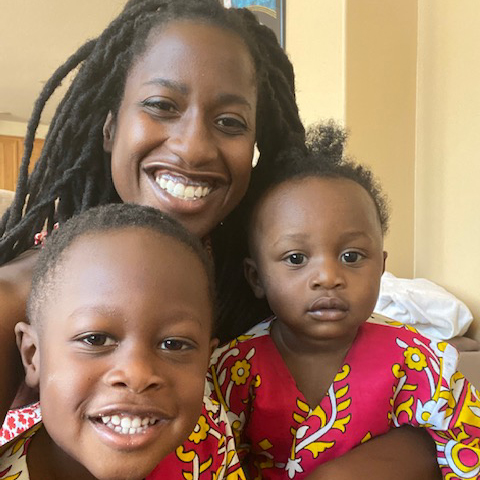
Abigail Oduol’s (she/hers) surname is not Irish or Pennsylvania Dutch. It’s Kenyan. She keeps her escape pod in Kenya ready, and checks on it regularly with her young kids and husband. Abigail serves on the CCF Global Council, NACGP D&I committee and with her local PTA.  You can follow her on LinkedIn, and can send tips and micro reparations to her Cashapp $AbbyOduol.

Building a liberatory future: Rethinking fundraising communications for lasting impact

Building a liberatory future: Rethinking fundraising communications for lasting impact

By Val Neumark (she/they), Designer, educator, and facilitator using communications for transformational change

It’s time for a new approach to communications strategy that is founded on liberatory values.

“The number of donors who gave declined by 10 percent compared with last year.” – The Chronicle of Philanthropy, November 2023

A stark reality in fundraising confronts us: nonprofits continue to grapple with lower engagement and diminished donor support compared to previous years. It is time to reexamine the strategies we use to mobilize resources for social change. 

In navigating the challenges of the election year, we stand at a critical juncture where the risk of perpetuating fear-based, white supremacy-laden tactics looms large. 

It seems fewer and fewer people have been inspired to give because they are increasingly fatigued by how White Supremacy Characteristics like fear, either/or thinking, urgency, and, most of all, saviorism are being used repeatedly in fundraising communications. As I watched 2023 fundraising campaigns roll in and now observe the 2024 ask campaigns begin, I witness the continued leveraging of these characteristics.  

Using these tactics may seem beneficial in the short term, but we cannot forget how they not only jeopardize the sustainability of our movements but perpetuate direct harm to our community members. Plus, people are simply tired of this approach and are yearning for something that feels more authentic and true, something that nurtures them instead of reminding them how they are falling short—this calls for a more liberatory approach. 

In our pursuit of justice, equity, and liberation, we cannot afford to lose sight of the inherent humanity at the core of our endeavors, even if it feels impossible to raise money any other way—language matters.

Here is a brief overview of what I observed and some steps to do something about it:

How white supremacy characteristics show up in fundraising

Fear: 

White supremacy needs us to be afraid that we have everything to lose if we interrupt it. When we are afraid, we lose touch with our values, truth, and power—making us even more susceptible to being manipulated by either/or thinking and false illusions of safety. 

An example I saw in an email meant ultimately to encourage donations, used terminology like “rising authoritarianism and our democracy under threat.” I don’t know about you, but this type of tone just fills me with more anxiety on top of what I already navigate regularly. That is not how I want to show up in the world and certainly is not what compels me to donate these days. 

Either/Or and Binary Thinking:

When we reduce the complexities of life and the nuances of relationships to “right vs. wrong,” “good vs. bad,” or “if you aren’t with us you’re against us” thinking, we reinforce urgency and lose track of a “middle way” of possibilities. Just look at the language used on pretty much every media outlet these days. 

Here are a few examples I’ve seen in the media. “When there is a disaster, who is described as ‘looting’ and who is described as ‘finding necessary resources for survival’ (example: good vs. bad),” or another example that describes Palestinian “prisoners” being exchanged for Israeli “hostages” (example: right vs. wrong and if you aren’t with us you are against us)*. Language matters. (*credit Center for Story-based Strategy)

Our stories must retain complexity so that we can actually learn from each other rather than just living and agreeing with our own echo chambers. 

The more time we spend engaging in curious conversations, the more we can bridge our shared humanity, needs, and values instead of continuing to cause even deeper polarization.

Urgency:

Where to begin with this one? It is so embedded in our society it is hard to see it let alone not use it. 

How often do you feel like there is so little time you cannot have a thoughtful conversation or engage in an inclusive decision-making process? In fundraising communications, how many times have you read (or written) something along the lines of “Don’t wait until midnight on the last day to lend your support” or “Would you join us now in this urgent moment by rushing a gift?” Even “donate now” is implying an unnecessary amount of urgency to a single button if you really think about it. 

So let’s take this moment to remember that hard work and meaningful rest are parts of a full cycle, and we need both so that we are less reactive and don’t burn each other out. Instead of planning everything at the last minute, let’s think about ways we can develop thoughtful work plans and stick to them, as well as using language that feels intentional and inclusive. We often say it’s “a marathon” but how many of us actually work in a way that is well-rested, grounded, and centered?

Saviorism:

This is a tough one to stomach sometimes because I think we all come into this work to be “helpers” of some kind. Our aim is to support or be in service to, but unfortunately, this intention can easily turn into something harmful when we reproduce the idea that donors are the “saviors” who can swoop in and “make a difference,” implying that the recipients are somehow lacking. 

Here is an example I’ve seen more times than I can count, “Valerie, your support is essential…Give today to ensure we can continue to [insert generic project or program here] a reality!” or something along the lines of, “Only you can make a difference,” or “Your donation will save the lives of children.” 

The question to ask yourself is, “Are my communications aimed at making my donors feel good about themselves more so than actually working against the systemic problems that affect the people we are raising the money for?” If so, you are probably using saviorism to compel people to give. 

How we can behave differently, in a liberatory way

As Vu Le shared in a 2017 post about Community Centric Fundraising, “​​All fundraising professionals must be trained in anti-racism, systemic oppression, equity, wealth disparity, intersectionality, and other areas important to social justice.” 

As communicators, our words have the potential to be a catalyst for transformative change. When we are more intentional with our words and actions—connecting authentically with the principles that drive us—we inspire our community members to engage and donate based on shared values and beliefs rather than saviorism, fear, or urgency.

So, how do we better equip ourselves for the work ahead? How do our fundraising and engagement efforts work towards dismantling institutional oppression rather than unintentionally perpetuating or reproducing it? It begins with doing the personal work to recognize how white supremacy characteristics are showing up within ourselves and our work. 

Our team at rootid does this in a few different ways:

  1. We revisit Tema Okun’s White Supremacy Characteristics on a regular basis to self-assess how they might be showing up for us. It’s so easy to internalize perfectionism and urgency in a world that is moving so fast and expects so much.
  2. We reflect and discuss the Design Justice Network’s Principles and how we are upholding them in our relationships and work.
  3. We have aligned the way we work with the Liberatory Design process so that we can become more effective and thoughtful communicators for social change.

Liberatory Design is both a process and practice to help us, as individual communicators and fundraisers, generate greater self-awareness and habits that foster more sustainable social change. The process contains Mindsets and Modes that provide structures for creativity, “conversation, reflection, community-building, storytelling, and action.” This process not only helps us recognize how oppression and inequitable practices may be showing up in our work and relationships but also helps us to realize “alternative ways of being and doing.” (Liberatory Design deck card 2)

For example, the Mindsets “Practice Self-awareness” and “Recognize Oppression” ask us to acknowledge and challenge our assumptions by considering how our various identities position us in society relative to privilege and oppression. This then provides space to consider and discuss (with trusted accountability partners) how these identities may impact our work. (Liberatory Design deck cards 4 & 5)

“Inequities do not exist in a vacuum,” they are interconnected through structures, processes, practices, and policies. We must make time to notice and reflect on how our own identities and positional power shape what we see and hear, as well as how we frame the challenges we are facing in our greater communities.

Another aspect of putting your values into action is considering power dynamics within your team. The Liberatory Design process’ “Modes” begin by asking us to “See the System” as well as “Notice” and “Reflect.” When we take the time to “Notice” and “Reflect” on the equity challenges (inequitable patterns, structures, and dynamics) that are present within our “Systems” (work realities and relationships), we can begin to heal and then transform these inequitable patterns. (Liberatory Design deck cards 16 – 19)

How the Liberatory Design process and practices are applied will feel different for every person and within varying communities, just like figuring out how to create language that is inclusive and healing across the political spectrum will be unique to your context.

Using tools like Me Mapping and co-creating DACI and POP models and protocols help to name and shift the ways we communicate within ourselves, our teams, and our greater communities, and are the most effective ways to equip ourselves for sustained liberation.

Authentic change arises from a place of hope, inspiration, and shared values. Rather than relying on fear, either/or thinking, and urgency, let us commit to building fundraising and communications strategies rooted in liberatory language, principles, and vision. Liberatory language has the power to challenge and transform oppressive structures, fostering an environment where everyone’s humanity is acknowledged and centered. Again, language matters.

My greatest hope for 2024 is that our language and actions will become a more intentional force for the change we want to see. It’s time to rise above the allure of short-term gains and embrace practices that center and prioritize the shared values that remain at the heart of our movement work.

Val Neumark

Val Neumark

Val (she/they) is a brand strategist, educator, facilitator, coach and co-founder of rootid (www.rootid.com). Through partnerships and collaborations, Val endeavors to connect people by co-designing anti-racist, anti-oppressive spaces and tools that facilitate strategic-thinking, community building and sustainable growth for non-profits and social impact organizations. In their free time, Val loves to hike, practice karate with their kid, and create mini, abstract paintings. You can follow Val’s work on Instagram at @wearerootid and @valartnstuff or connect with them on LinkedIn at /vneumark and /rootid

Treating your donors as partners: Where to start?

Treating your donors as partners: Where to start?

By Emily Bishop Runeari, Progressive Political Fundraiser

One of the key tenets of Community Centric Fundraising is “Treating Your Donors as Partners” – but where do you start?

Philanthropy has a difficult history. It was created in capitalism, rooted in the patriarchy, and often fueled by racism. As progressive fundraisers, we are all likely seeking ways to improve the field for the future. But the task looms large and can seem unapproachable, making it easy to retreat into problematic patterns and disillusionment, thinking change is impossible.

When our daily lives are filled with Salesforce data entry, grant reports, call time, and board meetings, who has time to make sweeping changes?

We are not all going to make our donor bases more diverse overnight or change oppressive structures in America, but we can make small changes. In fact, it is our responsibility as fundraisers to improve the profession, and even more so if we carry layers of privilege.

As a white woman with access to many major donors and spaces of wealth, I have a responsibility to use this access to seek change.

One of the key tenets of Community Centric Fundraising is “Treating Your Donors as Partners” – but where do you start?

Four ideas you can begin implementing now, no matter the size, age, or type of organization

1. Know your organization’s (or better yet, movement’s) goal. Get your donor there. Every individual donor you are trying to solicit should have a strategy and a goal. Usually, this goal is an increased or additional gift, such as “Solicit this donor for $50,000, and upgrade from their $25,000 gift.” Instead of thinking of only revenue goals, reshape your donors’ strategies to have a double-end goal of increased revenue and a deeper investment in your organization or movement.

Perhaps your organization’s goal is to focus on inclusivity in the reproductive rights movement. How can you better educate your donor on this? If you do not educate your donor, what effect will this have on your movement’s goals? Think of all the people your donor speaks to or has access to. If the donor can speak about reproductive rights in the most inclusive way, it will only serve your movement.

Framing all your donor interactions with this as the goal will not only enhance their long-term relationship with the movement but could also increase revenue as a side effect. Having these personal, educating moments will bring a donor closer to your mission and heighten their understanding of why increased funds are necessary. Deepening their personal investment will likely also secure support for years to come. And if you are worried that these transparent conversations will result in less revenue? I would argue that if a donor is not open to engaging with you, focus your time on donors who will.

2. Give yourself permission not to be donor-centric. Donors are not customers, and they are not always right. Your organization and whoever is closest to the problem you are trying to solve know how best to solve it. Your donors should be listening to you –your Executive Director, your clients, and your organization’s research –not the other way around. Push yourself to remember this even when money is on the line.

Imagine a donor wants to make a restricted gift to a program your organization has been trying to sunset because evidence shows it is not effective. Historically, you wanted any revenue, so you accepted the gift with the restriction.

Instead, talk to your donor about why that program is not effective, why the need or problem persists, and why unrestricted revenue will get to the root of solving the problem. Just because the donor wants to give in a specific way does not always mean that is the best way. It is ok to let go of money that does not serve the mission or the movement.

Imagine for a minute an alternate scenario in which you did accept the money for the restricted program just to keep the donor around. A mediocre program would likely continue, but at what expense? Could it do more harm to your organization’s bottom line, allocating resources ineffectively? Could it potentially harm your movement or your clients? Remember this when the donor wants to convince you that they are right.

3. Write with confidence, not deference. Every time I see an email that reads, “If you would be so kind as to give me a moment of your time, I would greatly appreciate a phone call or a quick coffee at your convenience,” my head spins. I call this “writing to the queen.” Yes, we should be polite, but we do not always need to be deferential, and we certainly do not need to be passive.

You are writing to a person who hopefully feels as passionately about this work as you do, not someone from whom you have to plead for attention. Write respectfully but with confidence. “Can we meet or talk on the phone next week to discuss your philanthropic goals this year and how they align with our work?”

Writing directly, speaking concisely, and removing the unnecessary, over-the-top pleasantries does two things: First, it shows your confidence and your professionalism, two attributes that will serve you well as a fundraiser. Second, and perhaps more importantly, you begin to ever-so-slightly shift power dynamics. In philanthropy (and in capitalism in general), money dictates power. Most of us in progressive organizations want to see that power shift – and by treating your donor as a partner, you are taking one small step in that direction.

4. Use big opportunities to insert small learnings. As a fundraiser, you are not solely responsible for revenue but for education, too. Is there something in the national news affecting the populations you serve? Reach out to your donor and ask them to talk about it. Tell how your client’s story is affected by a big national issue. For example, maybe gun violence affects a group of young adults you serve through education services. Gun violence may not have any formal place in your mission, but it could affect the education outcomes on which your organization is measured. Have that conversation with donors!

Do not shy away from having meaningful exchanges about structural inequalities – even if (especially if) you usually only talk to that donor about the annual gala.

These are four small things you can start doing now. Every conversation you have, email you exchange, or gift you close is an opportunity to use philanthropy to make society more just and equitable. For those of us who care deeply about that goal, the seemingly impossible can cast doubt on our work (it certainly can, and does, for me!). Try not to be overwhelmed by problematic history or oppressive system structure, just do the next right thing, even if that is as small of a thing as rewriting an email or asking difficult questions in a meeting. With access to people with wealth or power, this could have ripple effects.

Emily Bishop Runeari

Emily Bishop Runeari

Emily Bishop Runeari  (she/her) is a fundraising and advocacy professional with over a decade of experience in philanthropy, fundraising and politics. Focusing on major and principal level gifts, Emily works to secure revenue for organizations through transformative relationships with high net worth individuals for both charitable and political organizations. She has held leadership roles at Planned Parenthood Federation of America, Supermajority and the International Rescue Committee. 

Find her on LinkedIn or Instagram @emmebish.

What you can do this Pride month: Disrupt Israel’s pinkwashing and your local Pride events’ complicity in it

What you can do this Pride month: Disrupt Israel’s pinkwashing and your local Pride events’ complicity in it

By Chris Talbotnonprofit laborer and perpetually disappointed trans queer

Pinkwashing has become even more despicable and insidious because an ethnostate is using it to justify the genocide of Palestinians. And every member of the 2TLGBIQA+ community must band together to say unequivocally, Not in our name!

I’ve written about the impacts of the annual pandering to us queer folk before, but this year, rainbow capitalism is hitting a bit differently. For me, it’s usually a source of anger and frustration. But this year, it’s making my stomach turn, and my heart sink.

Pinkwashing has become even more despicable and insidious because an ethnostate is using it to justify the genocide of Palestinians. 

And every member of the 2TLGBIQA+ community must band together to say unequivocally, Not in our name!

Israel’s pinkwashing used as justification for apartheid and genocide

Israel has long claimed to be a beacon of gay rights in the SWANA region (although they still don’t have legal same-sex marriage, and polls still show that 56% of Israelis oppose allowing queer people to marry legally, with only 36% in favor). It seeks to perpetuate the derogatory stereotype of the homophobic Arab or Muslim as proof of the “backwardness” of Palestinians and an added excuse for apartheid control and mass extermination of Gazans. 

This was a talking point lobbed at me continuously as I loudly opposed the current genocide, and repeated by Zionists – Jewish and antisemitic alike – including Julianna Margulies, who was famously quoted late last year saying, “These people who want us to call them they/them or whatever they want us to call them…It’s those people that will be the first people beheaded and their heads played with…like a soccer ball on the field.”

The official Twitter account of the State of Israel has repeatedly posted petty and snarky posts to mock 2TLGBIQA+ people around the world, especially the Queers for Palestine movement, who are vocal in their solidarity and want for Palestinian liberation.

Screenshot of a quote tweet from Israel that mocks the Queers for Palestine, saying, “Looking forward to seeing Hamas raise the rainbow [rainbow emoji] flag across Gaza as a thank you for your solidarity.”

Screenshot of a quote tweet from Israel that mocks the Queers for Palestine, saying, “Looking forward to seeing Hamas raise the rainbow [rainbow emoji] flag across Gaza as a thank you for your solidarity.”

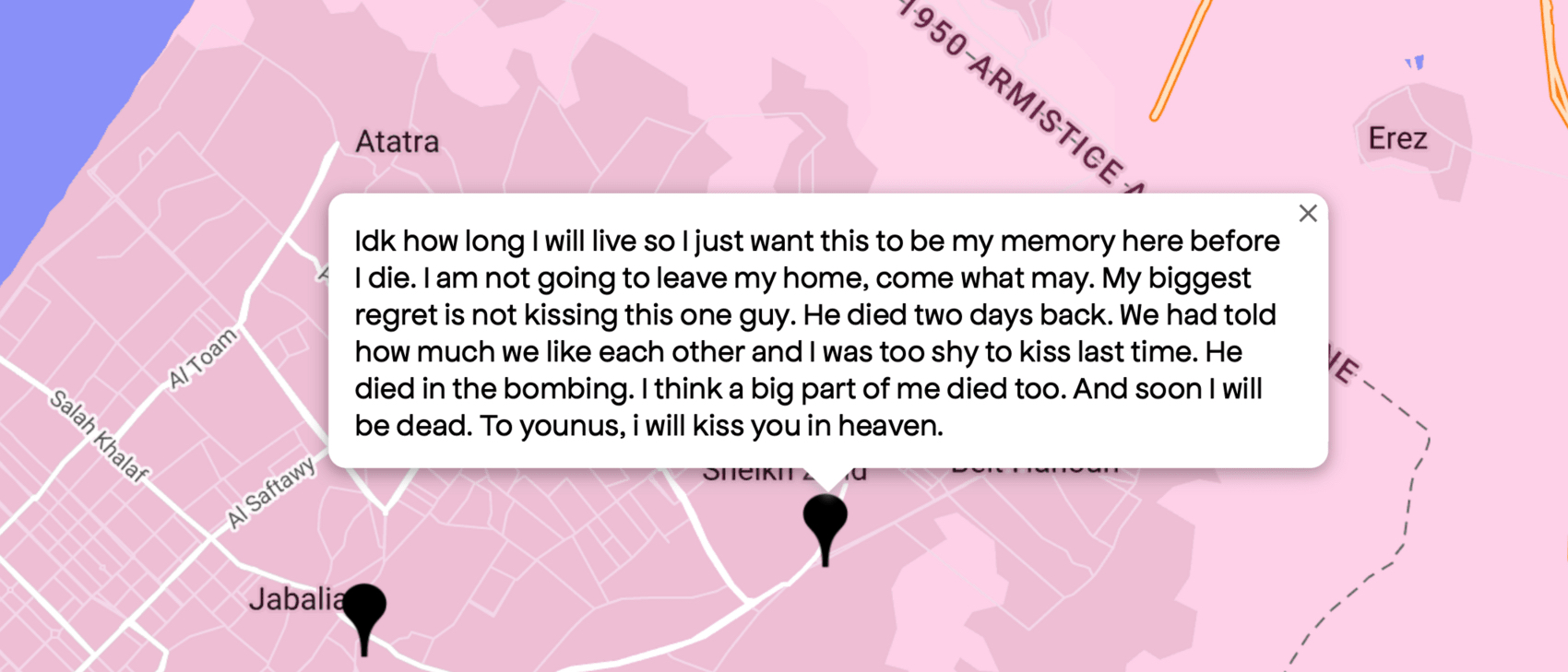
Not only is the Zionist talking point “they would kill you on sight” a ridiculous claim, but it’s incredibly racist. It erases the fact that many Palestinians are queer and trans. We’ve seen this through the heartbreaking messages left on Queering the Map, where queer Palestinians trapped in the Gaza Strip, who believe they are not going to survive, share their last thoughts of love and identity. And as numerous queer and trans people around the world have stated on Twitter since October 8, Israeli bombs don’t have gaydar.

Screenshot from Queering the Map showing a pink map of a portion of Gaza. A black location marker has a quote from a queer Palestinian hovering above it, which says, “Idk how long I will live so I just want this to be my memory here before I die. I am not going to leave my home, come what may. My biggest regret is not kissing this one guy. He died two days back. We had told how much we liked each other and I was too shy to kiss last time. He died in the bombing. I think a big part of me died too. And soon I will be dead. To younus, I will kiss you in heaven.”

Screenshot from Queering the Map showing a pink map of a portion of Gaza. A black location marker has a quote from a queer Palestinian hovering above it, which says, “Idk how long I will live so I just want this to be my memory here before I die. I am not going to leave my home, come what may. My biggest regret is not kissing this one guy. He died two days back. We had told how much we liked each other and I was too shy to kiss last time. He died in the bombing. I think a big part of me died too. And soon I will be dead. To younus, I will kiss you in heaven.”

“Making Palestine out to be exceptionally homophobic or heteronormative is a colonial strategy that falls apart when you offer context, history, and comparative frameworks,” @mej_makes shared on Instagram, “Pinkwashing feeds anti-Arab sentiment and fuels violence. It dehumanizes us. It erases queer Palestinians.” 

What led to the belief that Palestinians hate all 2TLGBIQA+ people

So what’s led to this belief that Palestinians hate all 2TLGBIQA+ people? Mostly state- and media-supported racism, but also the British Mandate Criminal Code made same-sex sexual activity illegal in Palestine during colonization. One of the reasons that the British used as an example of why the SWANA region needed to be colonized was because they were too accepting of homosexuality, and that (was one of the things that) made them “primitive” and “barbaric” and in need of being colonized for their own good (that should sound familiar considering that’s been the pattern the world over).

In the West Bank, the Jordanian Penal Code overtook it in 1951, which had no such prohibitions — therefore, it is legal in the West Bank. Because so many places have occupied current-day Gaza, all with their own laws and enforcement of those laws, it’s not clear where it is illegal and where it is legal.

Honestly, how would Palestine, as a sovereign nation, fully legalize 2TLGBIQA+ identity and rights when they aren’t allowed democratic elections and when they’re constantly having to defend themselves against a violent oppressor? We haven’t had any of that in the U.S. since 1783, and I have had to fight for my rights my whole life in every state I’ve lived in. Hell, the state I escaped from still allows trans and gay panic defenses without any oppression and repression from an occupying entity stunting their progress. 

Israel has positioned itself as the antithesis of this without genuinely being an antithesis. While it’s true that the Israeli government allows 2TLGBIQA+ Palestinians temporary permits to be in Israel, it’s not a safe haven, it’s not permanent, and they aren’t given any rights. They have no access to health care or any services, and they need to renew every three months, which means they could be deported at any time. The only 2TLGBIQA+ Palestinians permitted permanent residency are those who turn around and act as police or informants for the IDF – and historically (I wasn’t able to find if it is happening currently), the IDF has surveilled queer Palestinians and blackmailed them into working as informants

I need people to hear me on this point: it wouldn’t matter if that downright racist fabrication made by people who try to dehumanize Palestinians to justify genocide were true. My advocacy for people to live lives outside of an oppressive regime at all, but especially one that is ethnically cleansing them, is not contingent on whether or not they would do the same for me.

That’s not how allyship, accompliceship, or human rights work.

What we can do to inform and transform this year’s Pride events in our cities

As 2TLGBIQA+ people of conscience, it’s our responsibility to ensure that pinkwashing on behalf of the organizations that claim to support and speak for us isn’t allowed this pride month. Here are some things you can do:

  1. You can learn more about pinkwashing as a tool for colonization, apartheid, and genocide. Jewish Voice for Peace has a great guide to pinkwashing, complete with links about it and about disrupting it. You can follow No Pride in Genocide as well. Follow their Instagram page for current actions.
  2. Support alQaws, a Palestinian organization that supports sexual and gender diversity. They run community centers and events in Palestine, operate a national support hotline, and much more to materially improve the lives of queer and trans Palestinians.
  3. Speak up against and put collective pressure on the large legacy queer nonprofits who participate in pinkwashing. Examples include the Human Rights Campaign, which receives donations from Northrop Grumman Corporation – which has sent countless weapons to Israel
  4. Speak out against and put collective pressure on the organizations hosting your local Pride to refuse to participate in pinkwashing. Lockheed Martin has always had their spot in my local Denver Pride, which is despicable. And it was heartbreaking to see 2TLGBIQA+ people (let’s be real, current Pride parades are primarily for, featuring, and attended by cisgender heterosexual folks, but there still are us queer and trans folks in attendance) cheer for a weapons manufacturer. But looking at the lists provided by the Boycott, Divestment, Sanctions (BDS) movement, many more should not be featured at Denver Pride. Call for the refusal of complicity in the image sanitization of these companies from your local Pride event (or if, like me, you’ve burned that bridge too many times, organize others to do so).
  5. Make Pride an event that materially improves the lives of 2TLGBIQA+ people again. For those who work at organizations that put on Pride events or those with the ear of organizations that do, I am once again asking you to make your events improve our lives. The parades and tabling events should be full of useful resources for the queer community. For more ideas on how to do this, check out the “So what should you do this Pride month” section of my last essay about the month here.

Voting (for one of the two main parties, anyway) won’t make a difference this year when it comes to Palestinian liberation, as both Republicans and Democrats seem to be fully immersed in AIPAC money with no intention of following international law or basic morality. Still, the BDS movement is putting pressure on companies and (to a somewhat lesser degree) politicians by hitting them in the only place they care about – their pocketbooks.

We need to, now, more than ever, stop the pinkwashing happening in our names and move back to our roots. After all, the first Pride was a riot, and the second was a protest of the conditions that necessitated that riot. While we also need to lean into queer joy and celebrate ourselves and our community, corporate Pride doesn’t do that. It caters to white, cisgender, abled, heterosexual folks, respectability politics, and the status quo. We can’t be complicit in it. 

We need to be the allies and accomplices we deserve showing up each Pride, fighting for our diminishing rights during Pride – we need to be that for our Palestinian siblings this year and every year until Palestine is free.

A final thought from @mej_makes’ Instagram post: “Don’t allow violence against against Palestinians to be done in the name of LGBTQ communities. It dishonors us all. 

“Remember: our freedoms are all tied to one another. There is no ‘Pride’ in apartheid. There is no freedom in genocide. None of us are free until all of us are free.”

Chris Talbot

Chris Talbot

Chris Talbot (they/them) is a queer, trans nonbinary, mixed-race artist, activist, and nonprofit employee. When they aren’t working the day job, they spend their free time editing art and literature magazines, writing and illustrating educomics to help folks affirm their nonbinary pals, creating a graphic novel to describe what it’s like to be nonbinary in a gender binary world, cuddling their cat, and quad skating in the park. 

You can find Chris at talbot-heindl.com, on LinkedIn, Instagram, Bluesky, and Twitter — and tip them on Venmo or PayPal or join as a patron on their Patreon