 There is no need to meme-ify your mission to chase down a million three-second views. Instead, work on cultivating an internet presence that is credible, and scannable.
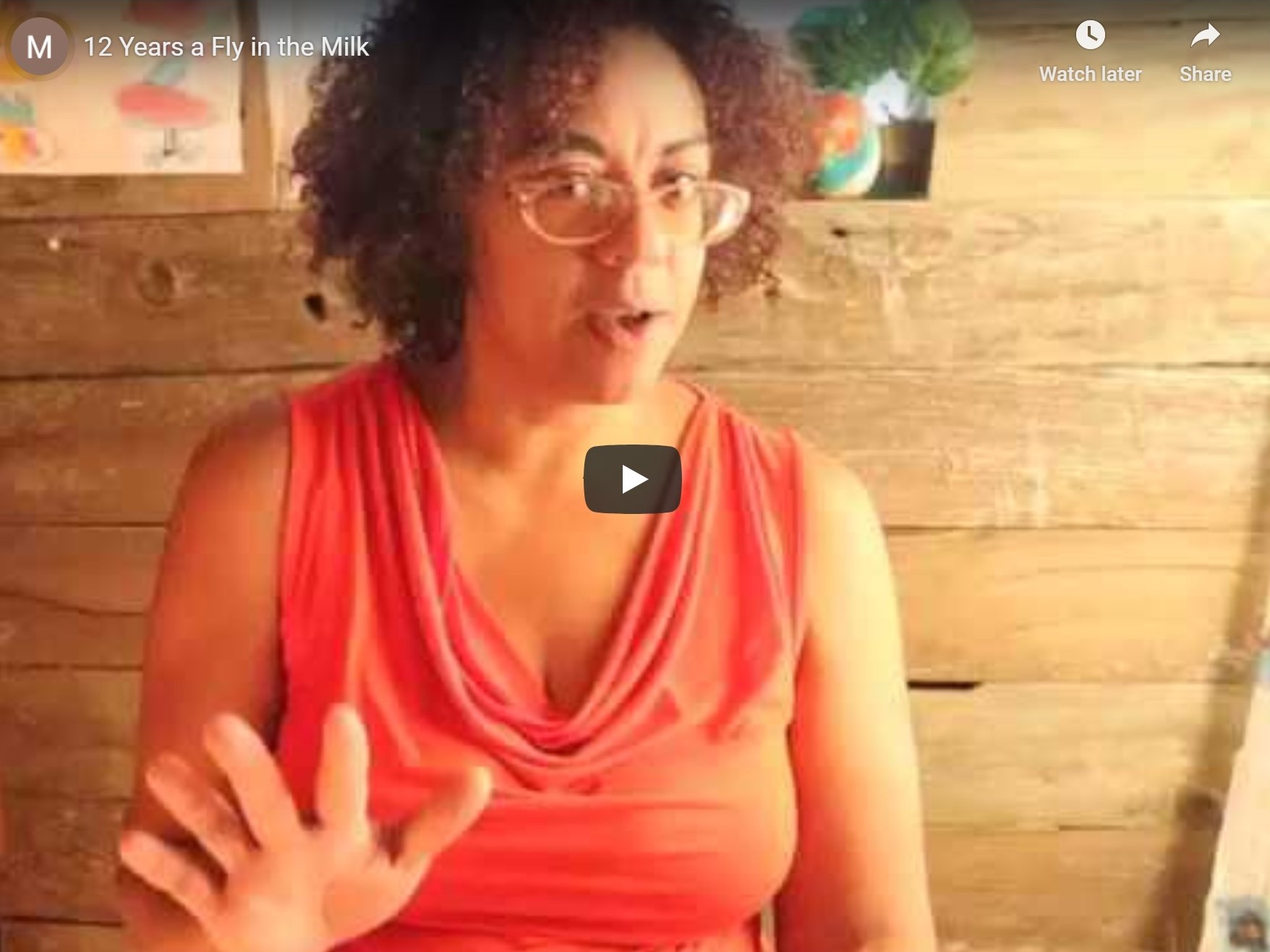
“12 Years a Fly in the Milk”
 Watch Sacramento-based fundraising professional Marisa DeSalles’ perform her powerful piece, “12 Years a Fly in the Milk.”
“Nothing you’ll miss”: The ethical cost of going rogue to fund the vision
 Funding decisions made while we experience urgency and trauma can carry invisible ethical costs. These costs only become clear after they have reshaped our values, our communities, and us. So I ask again: How far will you go to secure the funding to make your vision of the future real?
CCF Content at AFP ICON
 Today, we wanted to help all of you who may be going to AFP ICON after the CCF Family Reunion know where to get your community-centric content.
Why CCF Family Reunion is different from other conferences: We’re leaning into abundance to create a movement-building moment
No, you can’t decolonize philanthropy, Part 2: But we can fund acts of decolonizing and repair
 Decolonization does not have a synonym. It is a very literal refusal and re-creation. It is not a swappable term for improving schools, societies… nor a philanthropic foundation.
No, you can’t decolonize philanthropy, Part 1: A closer look at colonialism and decolonization
…the terms “decolonization” and “decolonizing” continue to rise into the mainstream of the nonprofit sector, yet their meaning is often diluted into a soft synonym for inclusion or diversity. As if we could simply sprinkle a bit of our colour and culture onto the white walls of charities and foundations and call it liberation.
A joint statement on proposed changes to SAM.gov registration
Why CCF Family Reunion is different from other conferences: Centering BIPOC leadership and lived wisdom is non-negotiable
Now is the time for planning that guides us to step into our power
 If all we do is resist and react in this moment, without also working to create what is possible, we are dooming ourselves to playing defense in perpetuity.
Fear, immigration policy, and the nonprofit sector
 Many nonprofit professionals are immigrants, children of immigrants, or individuals whose identities are deeply shaped by histories of migration and resilience. We carry with us an innate understanding of how immigration policy affects real families, but we also understand fear.
Understanding community and local voices is your strength when communicating for development
 But here’s what no one tells you: navigating the technical side of the job is just one part of it. The harder part is managing the invisible expectations that come with being a person of color working in development, often under white, Western leadership.
Why CCF Family Reunion is different from other conferences: It’s about relationship, not just content.
MULTIMEDIA
A Conversation About Giving in Different Contexts and Countries
By Carol Ng’ang’a and Martha Lidia Oxi Chuy
 In this conversation about giving in different contexts and cultures, Carol Ng’ang’a (Kenya) and Martha Lidia Oxi Chuy (Guatemala) discuss what giving looks like in their different cultures.
CCF + the Social Change Ecosystem with Deepa Iyer
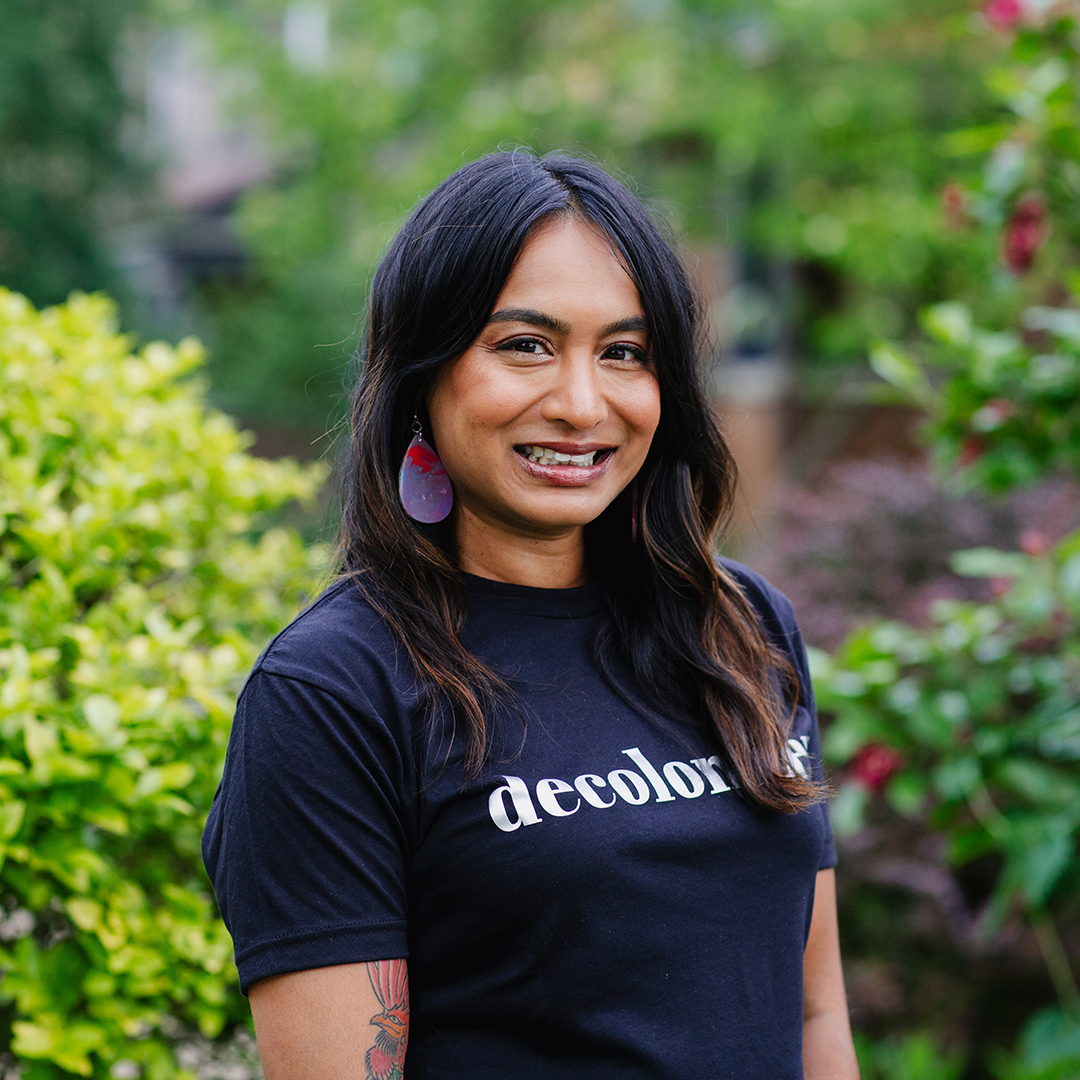 Community-Centric Fundraising’s Rachel D’Souza talked with Building Movement Project’s Deepa Iyer, creator of the Social Change Ecosystem about how to determine your role in the Social Change Ecosystem and what we can all do to meet the challenges our sector currently faces.
Once upon a whisper in the wind: A CCF origin story
By Dāna James and Naseem Kapdi
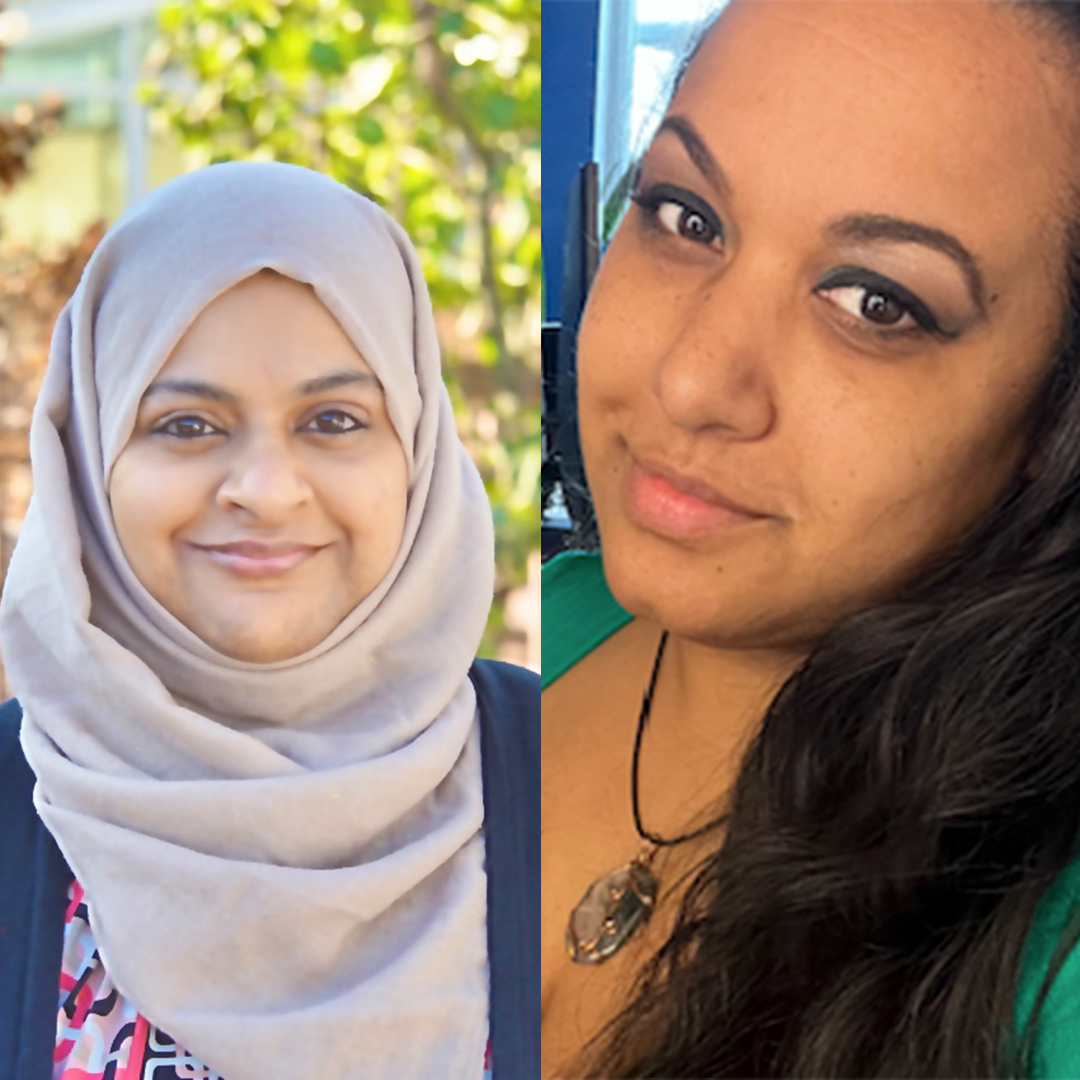 Once upon a time—not in a castle, but in a fogged-up café tucked away in Seattle—nine fundraisers gathered around a wobbly table, laughter too loud for the space, mugs clinking instead of glasses.
A love letter to the changemakers
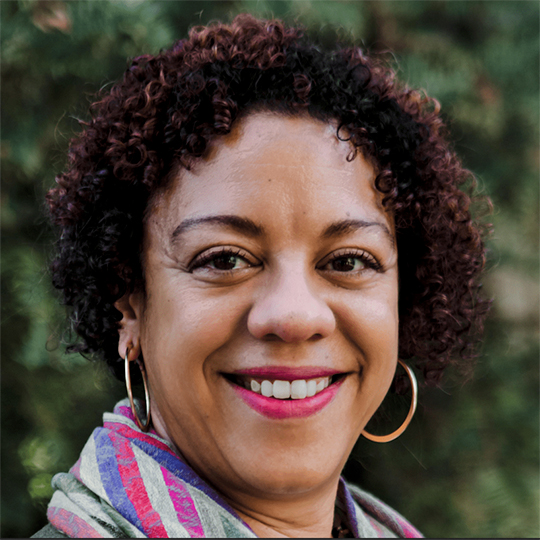 I am the living, breathing embodiment of the highest dreams of all my ancestors and you are too, because I am a changemaker. And so are you.
Beyond Philanthropy: Community-driven solutions
By Monique Curry-Mims and Valerie Johnson
 In this episode, Valerie sits down with Andrea Arenas and Michelle Shireen Muri, current consults and members of the Founding Council of Community-Centric Fundraising, to talk about reimagining philanthropy through community-driven solutions.
Navigating Policy and Advocacy: Essential Skills for CCF Practitioners
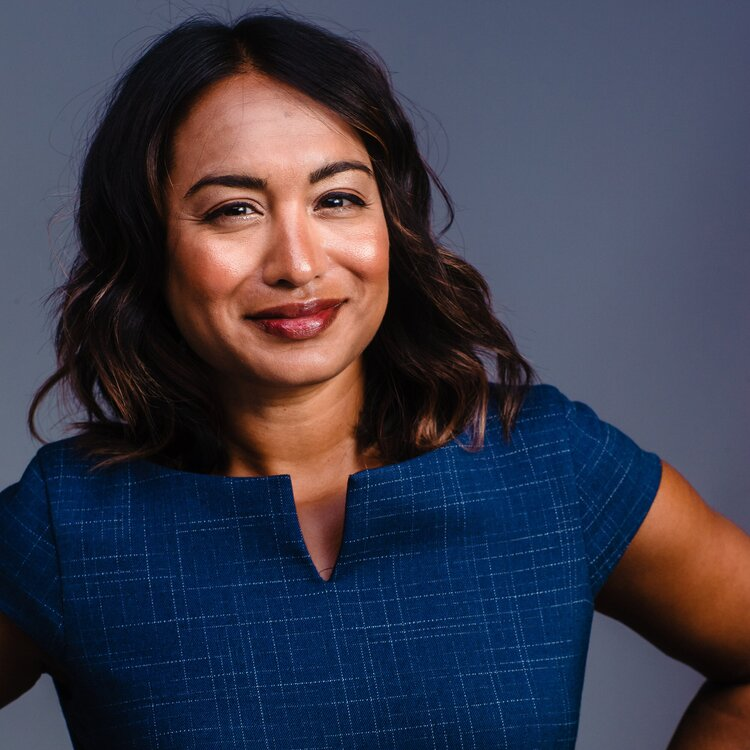 Philanthropy is the love of humankind, the love of people. And we made it about money. We made it about power. But before the colonization, before the capitalism, before the patriarchy, we lived in community. We shared resources. We took care of the people.