By CCF
Community-Centric Fundraising itself and the Family Reunion exist to elevate Black, Indigenous, queer, trans, and other marginalized leaders — especially those whose wisdom may not be captured in written or academic formats. This is clear in our sessions for the event.
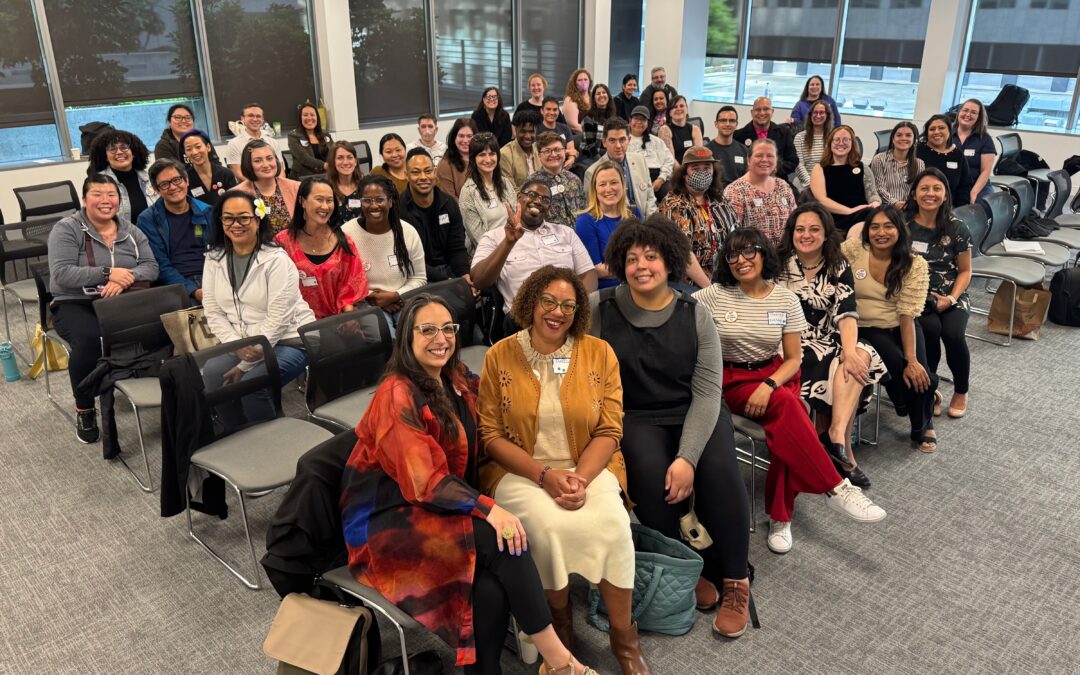
The Community-Centric Fundraising (CCF) Family Reunion is just one month and two days away! Have you gotten your tickets yet?
The Family Reunion, just like CCF itself, intentionally exists to elevate Black, Indigenous, queer, trans, and other marginalized leaders — especially those whose wisdom may not be currently captured in written or academic formats. This focus creates a safer, more supported pathway for BIPOC thought leaders to present; values oral, relational, and experiential knowledge; and it designs away barriers, such as credentials, polished presentation norms, and unpaid labor.
Nowhere do we see this exemplified more than in our sessions for this year’s event! Read below to find out more about the amazing sessions and speakers!
A look behind the scenes:
As we were deciding the sessions for this year’s event, we considered how we could make a safer, more supported pathway for BIPOC and other marginalized thought leaders to present, how we could value oral, relational, and experiential knowledge, and how we could design way barriers (like requiring credentials that are expensive and inaccessible, polished presentation norms that force presenters into a white “professionalism,” and unpaid labor that foists the burden of costs onto presenters) to open up opportunities and support a diverse set of speakers.
For us, that meant being intentional about our processes, deviating from streamlined funnels that we often use in nonprofit event planning to optimize time, and treating our potential speakers as individuals, attempting to meet their individual needs. It meant finding Values-Aligned Partners (VAPs) to help us afford accessibility investments, stipends, and thoughtful design choices that cost more. (If you want to be a VAP or know someone who would, please check out our Prospectus and One-Pager and reach out to Amie!)
It also meant being honest about what we could deliver this year while planning for how we could prepare ourselves to be able to support more accessibility investments at future events. While we understood that cost-cutting measures undermines our values, we also understood that we couldn’t do everything for everyone in the first year.
One of the nonprofit event planning barriers we’ve seen in the past, and I’ve definitely been complicit in, is knowing we couldn’t do things “perfectly,” so not trying. The planning committee wanted to avoid this pitfall, and leaned heavily into the CCF values and principles. We had to make practical decisions and compromises about what we could do this year, while envisioning what we could do with more funding, resources, and time in future years, rather than become so afraid that we would not implement changes perfectly that we didn’t try.
A look at the sessions:
Most of our sessions are now listed on the website (although, we’re working on BIPOC time, so some are still in progress. LOL).
Based on the proposals we received, the planning committee has loosely grouped the offerings in four tracks:
- Visionary and future thinkings sessions:
- Creativity as medicine: Ancestral wisdom, health, and building a new world
- It’s dangerous to go alone, take this: Building coalitions to secure and protect institutional funding
- We have to talk about AI, so here it is (panel)
- Sessions tethered to immediate actions:
- But what do I specifically do? CCF and fundraising tactics (panel)
- Community-Centric Fundraising isn’t a dropdown field: What our data systems teach us about power and participation
- The donor convo we’ve been afraid to have (And why we need to have it now)
- Facing feedback: Adventures in emotional capacity
- Case study sessions:
- From silos to solidarity through action, community, and learning with CCF San Diego
- Ignite your donor ground game: How to fire up your community-powered giving, the Mamdani way
- Who benefits? A borderland case study in community-led climate justice
- Spanish-speaking sessions*:
- CCF en Español — Presentación de los Principios de CCF
- Plurality without neutrality: Practicing fundraising across difference and power
- The rebellion is in our culture: How the arts and culture sector is the heart of our movement
You can check out the sessions descriptions on the website to see which sessions you might want to attend! (The planning committee is putting the last touches on the schedule, and playing Tetris to determine which session goes in which classroom and when, but we will be sharing the final schedule as soon as it’s available and will include it in the newsletter! If you aren’t already subscribed, you can subscribe here.)
But we did want to share more about our AI panel, because we need your help!
We are hosting the cheekily named We have to talk about AI, so here it is panel facilitated by our very own Movement Coordinator, Abigail Oduol, with (confirmed) panelists Carlos García León and Jennifer Li Dotson (a couple of other asks are out there in the universe, so we hope to add more panelists!). The session is intended for those who are concerned about the impacts of AI, folks who want to learn how to use AI in an ethical way (if it can be), and everyone in between.
We want to know, what are your burning questions about AI for the panelists? So many of us have formed an opinion about AI already (I know I have), but what are your burning questions about AI that you want addressed? What gaps in your knowledge need addressing? What ethical and community-centric concerns do you have? Do you have hopes about what AI could do and want to find out if they’re feasible? Let us know in the comment section below. We can’t promise every question will get added to list, but we will try and add as many as we can so we can make informed decisions about whether or not we will use AI in our lives and nonprofits.
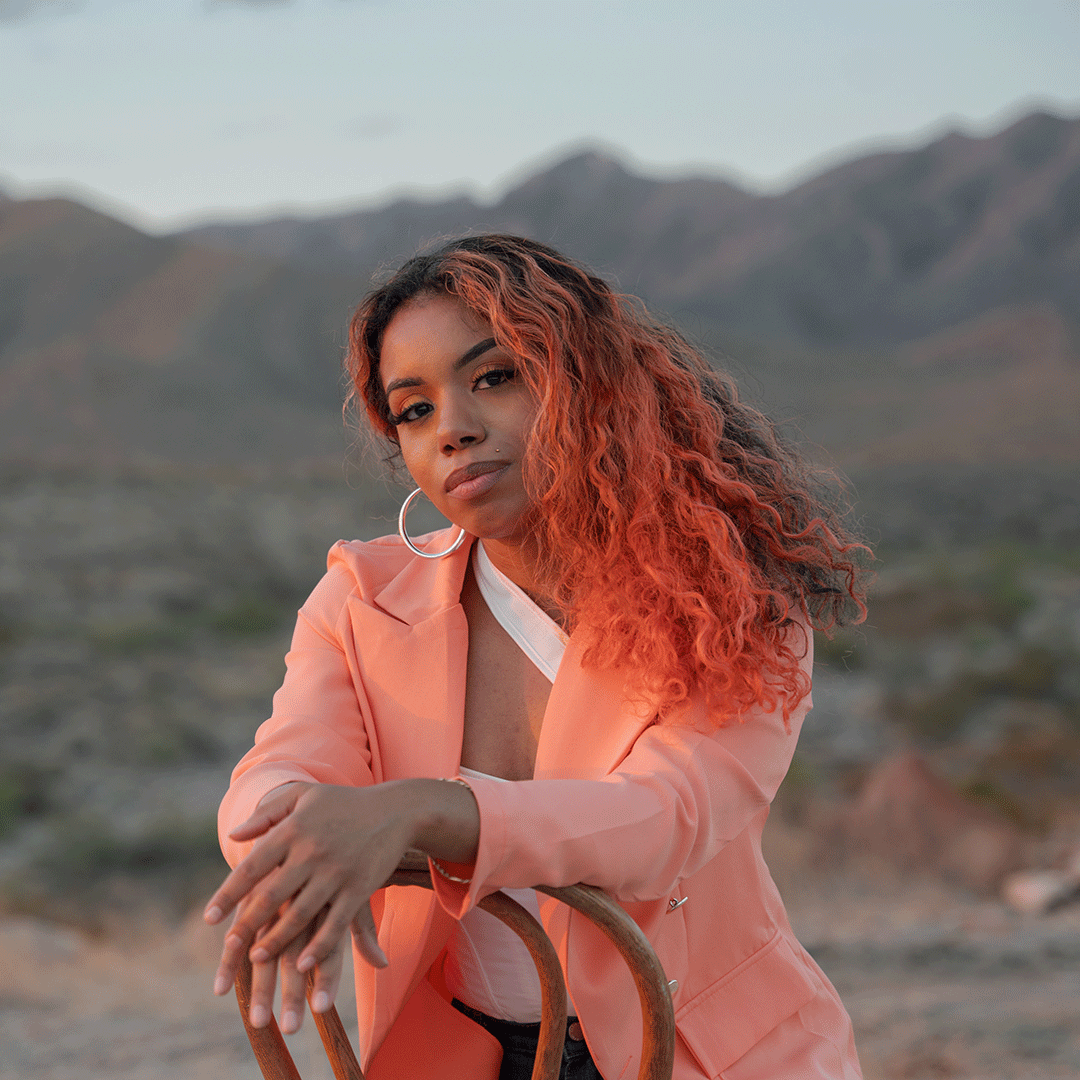
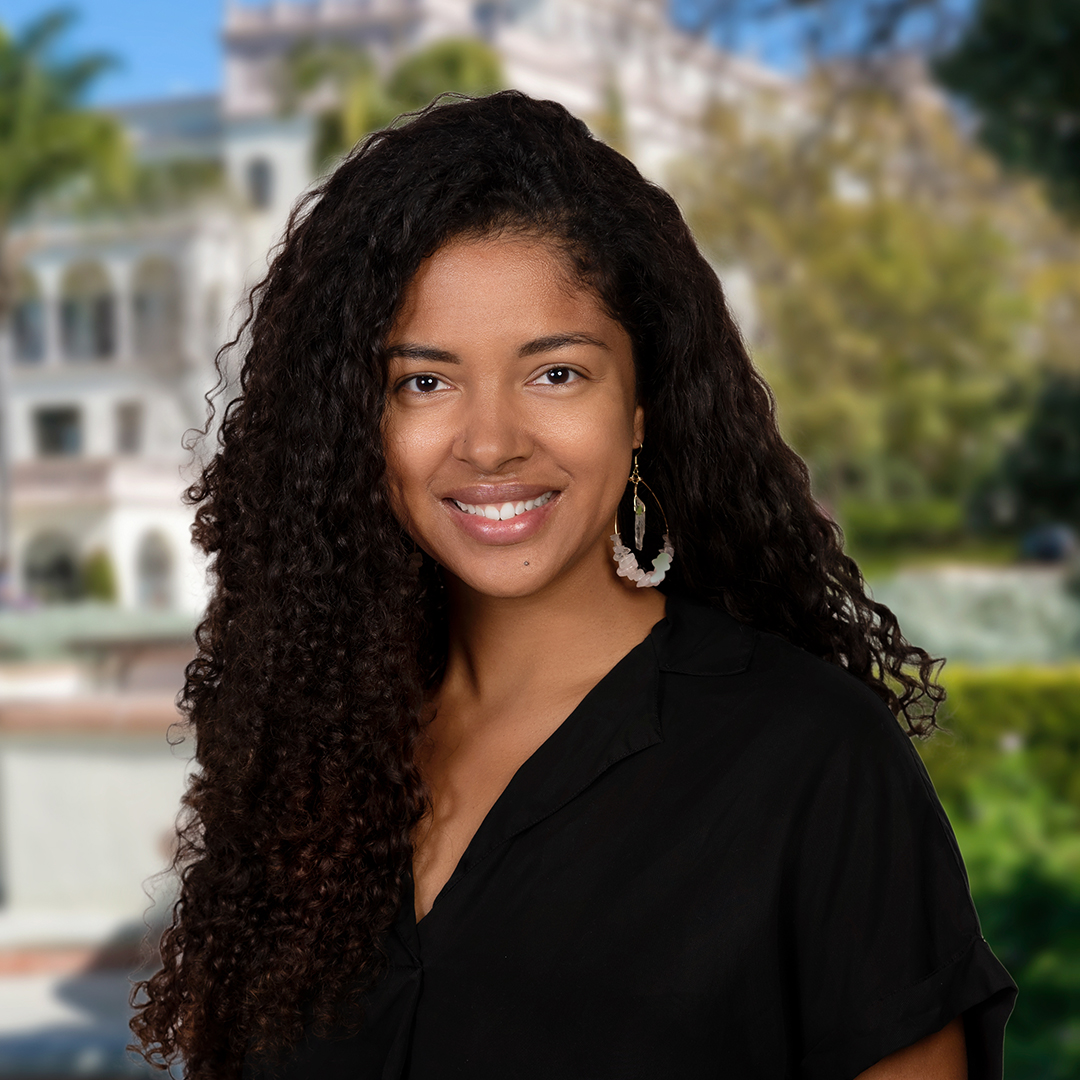
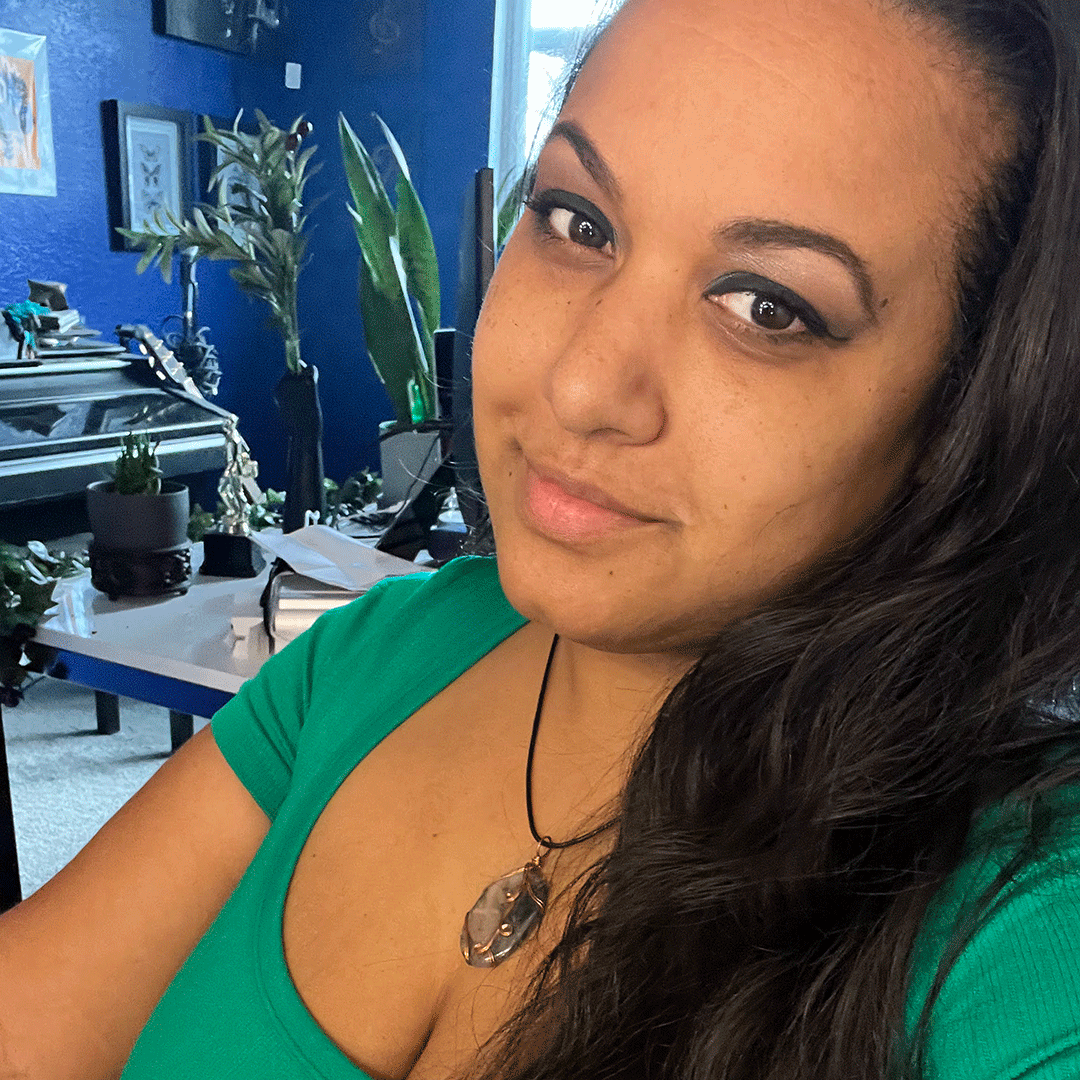
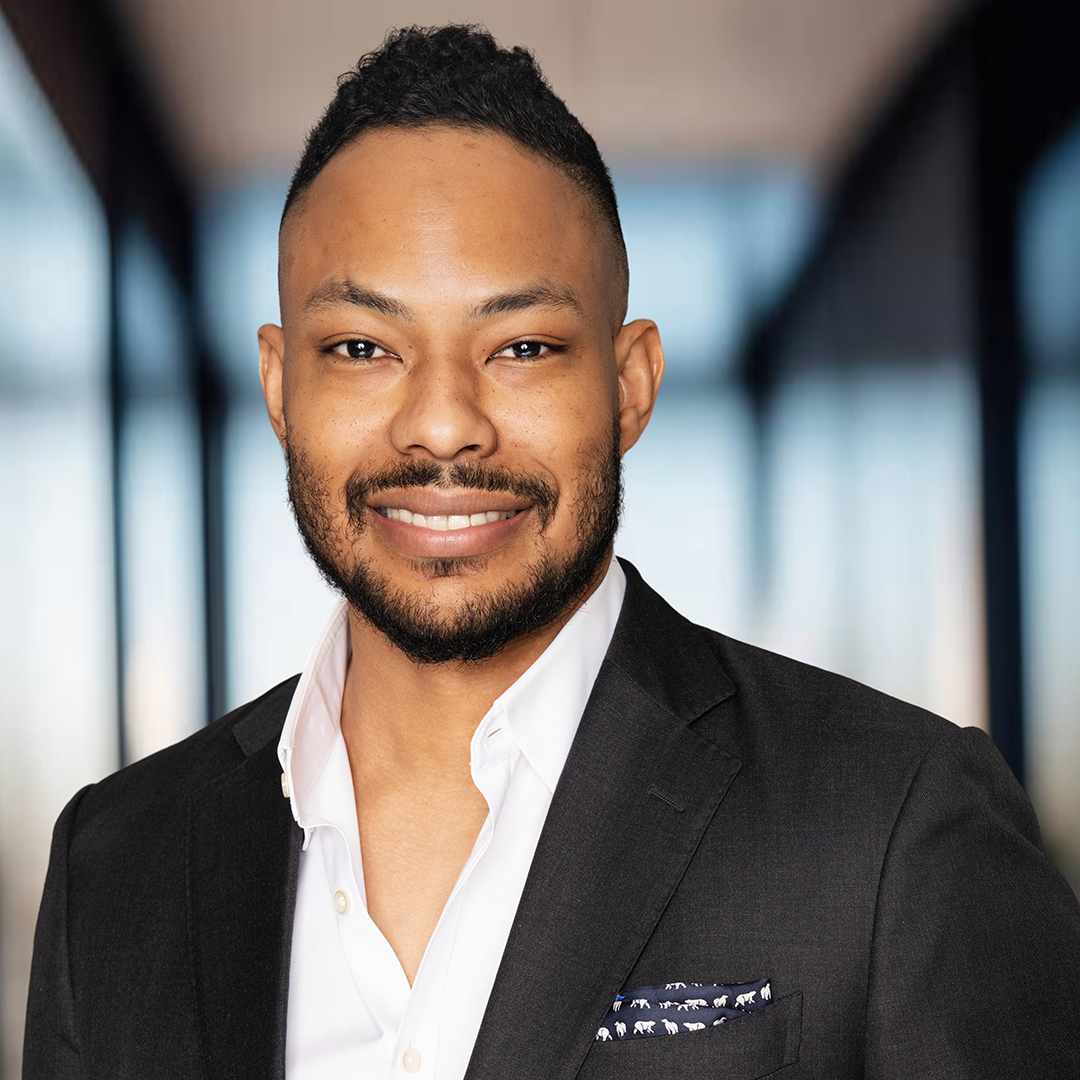
A huge thank you to our speakers and panel facilitators!
Without these individuals sharing their knowledge and expertise with us, this event wouldn’t be what it promises to be! Full bios of our presenters can be found on the website here.
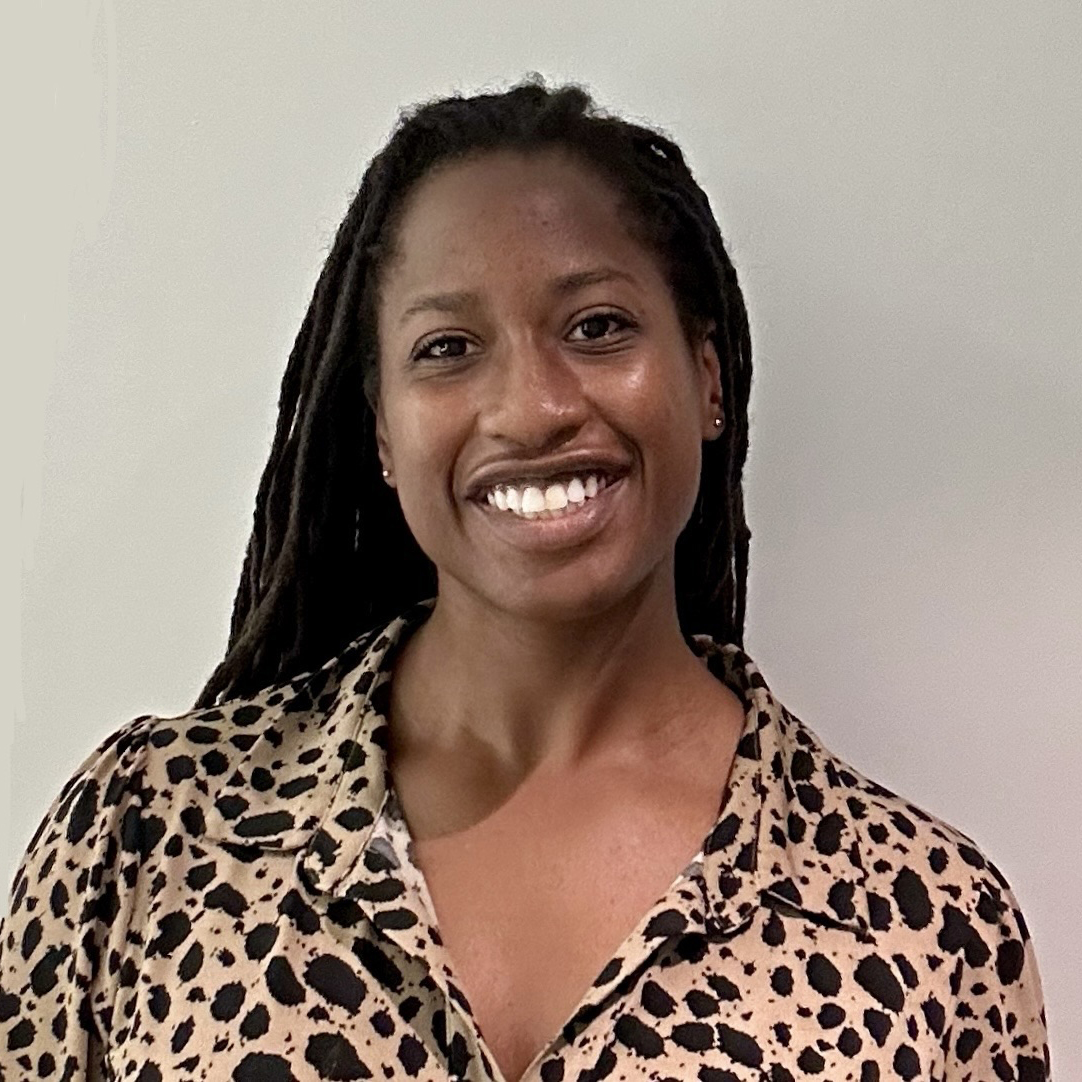
Abigail Oduol (she/her)
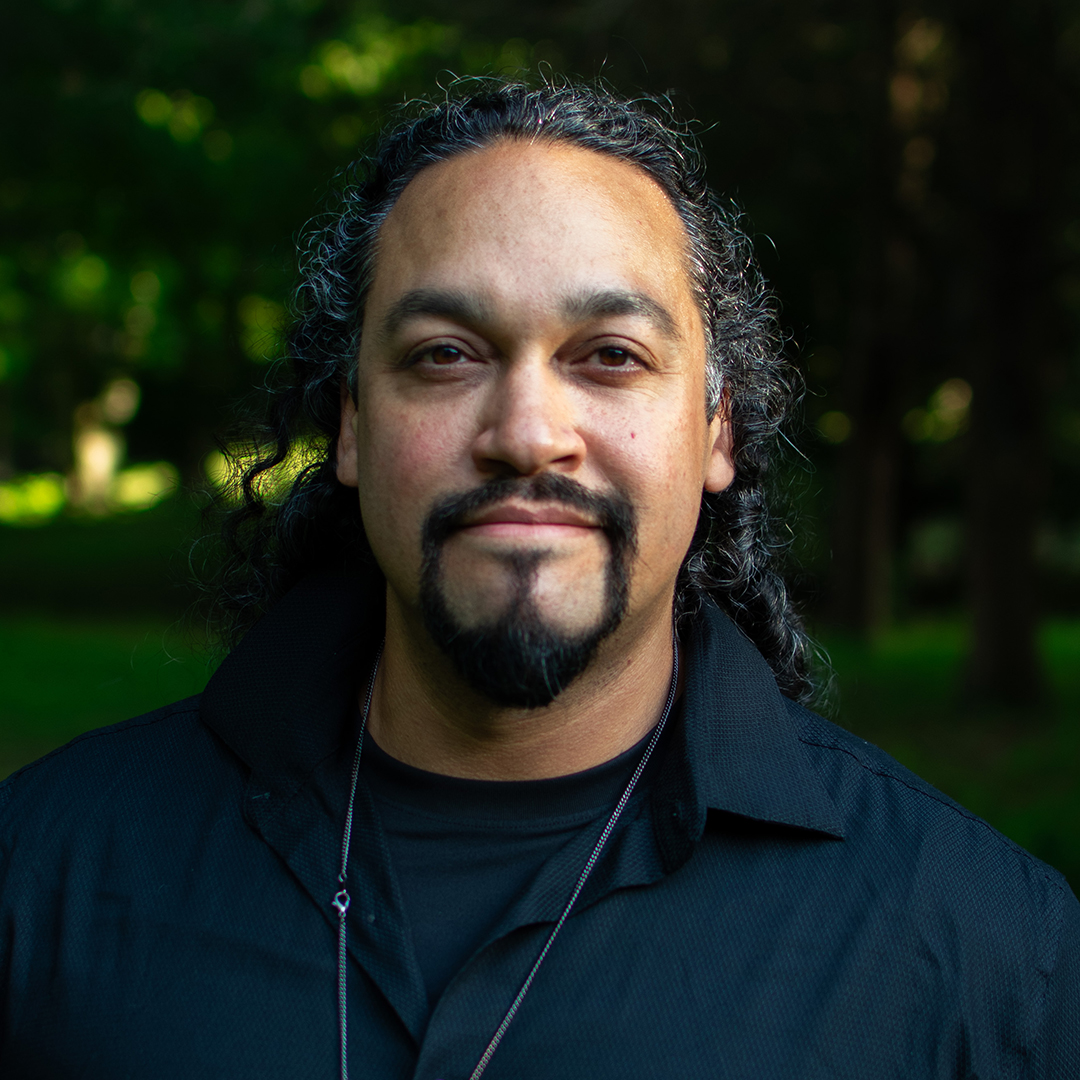
Alexander Sterling (he/they)
Alexandra Peek (she/her)

Carlos García León (he/they)
Dan Mueller (they/she)
Dāna James (she/her)
Dwight Frederick (he/him)
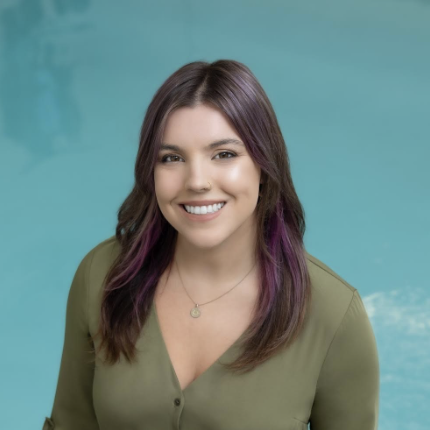
Elise Baker (she/her)
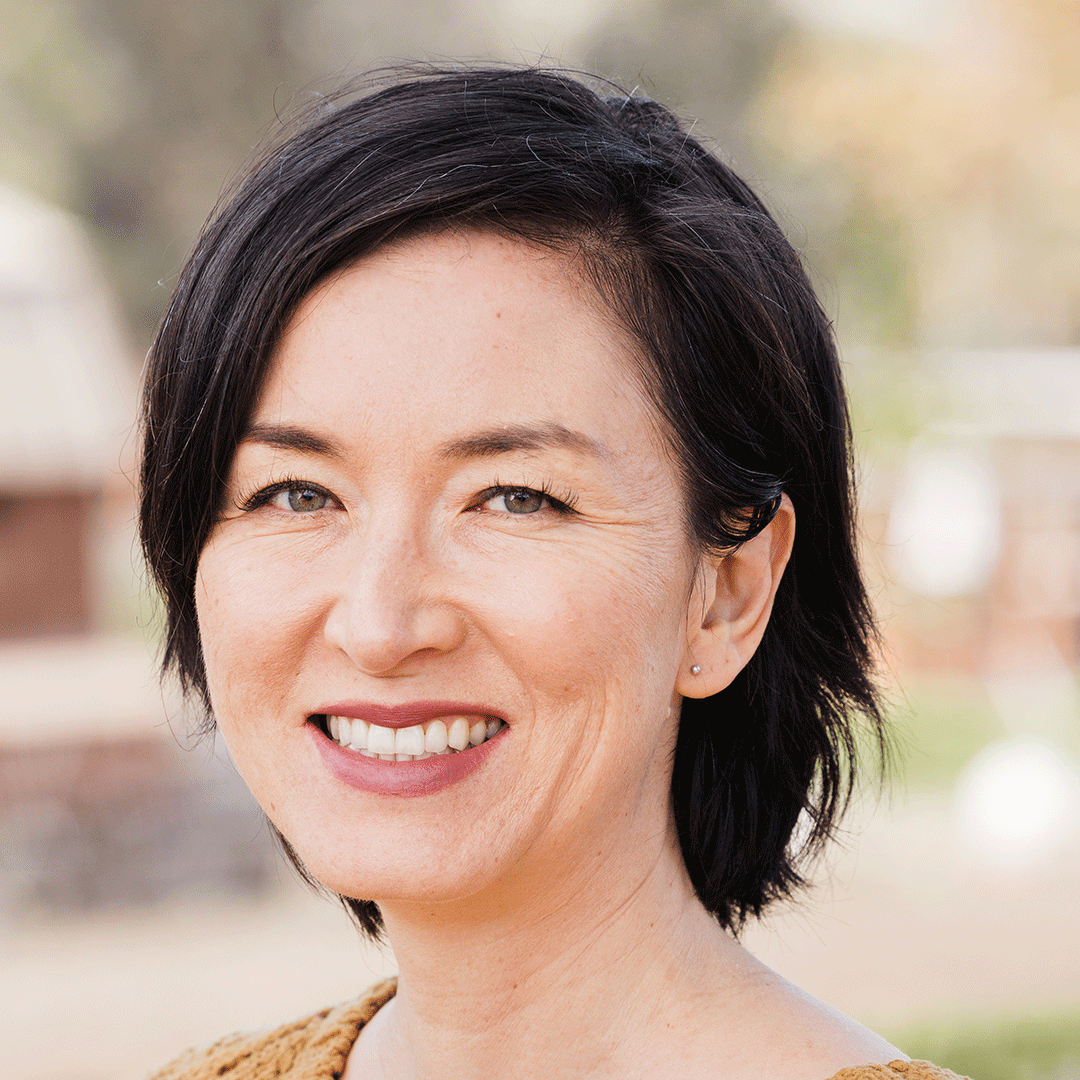
Elly Brown (she/her)
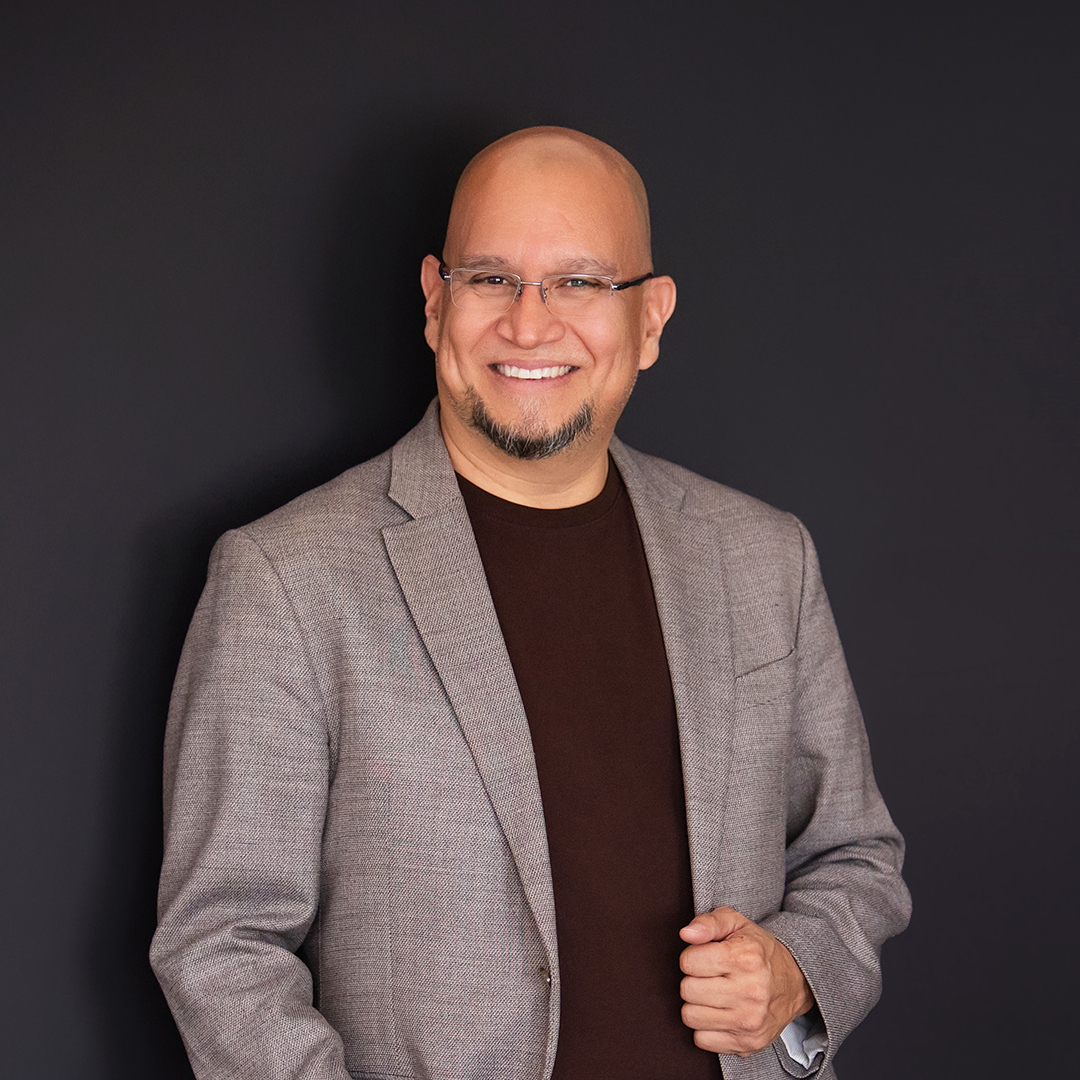
Frank Velásquez Jr. (he/his/el)
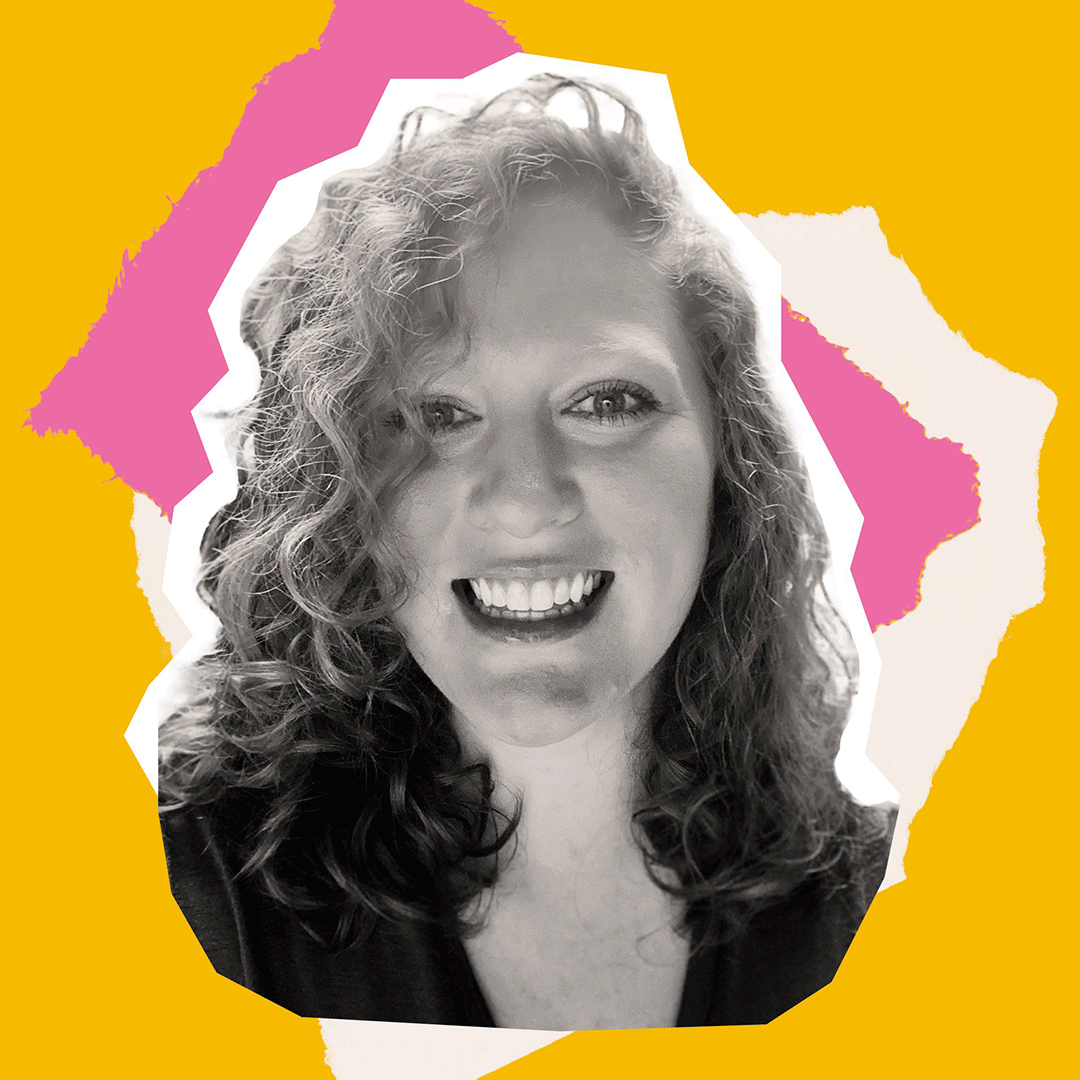
Grace Weil (she/her)
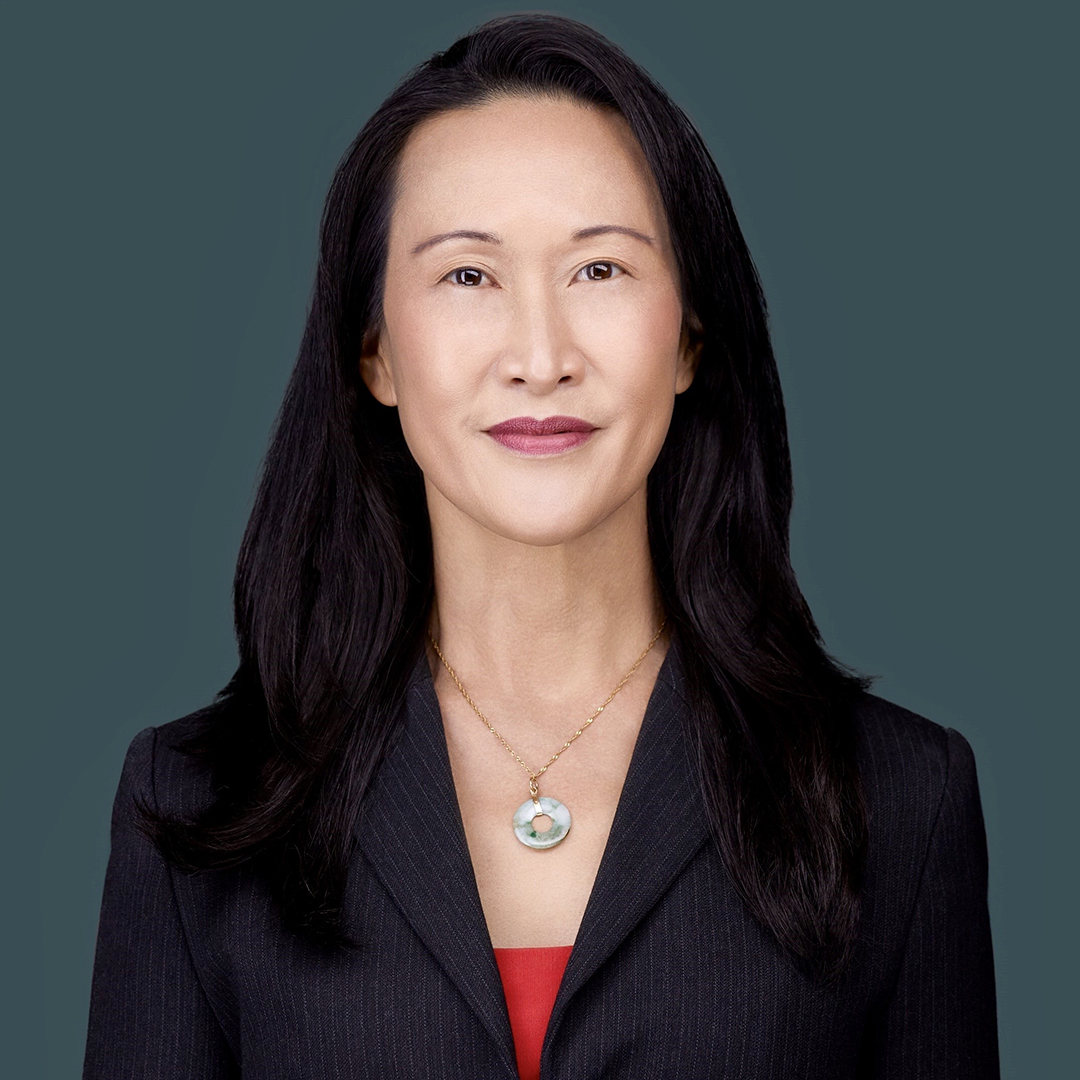
Jennifer Li Dotson 李麗玲 (she/her)
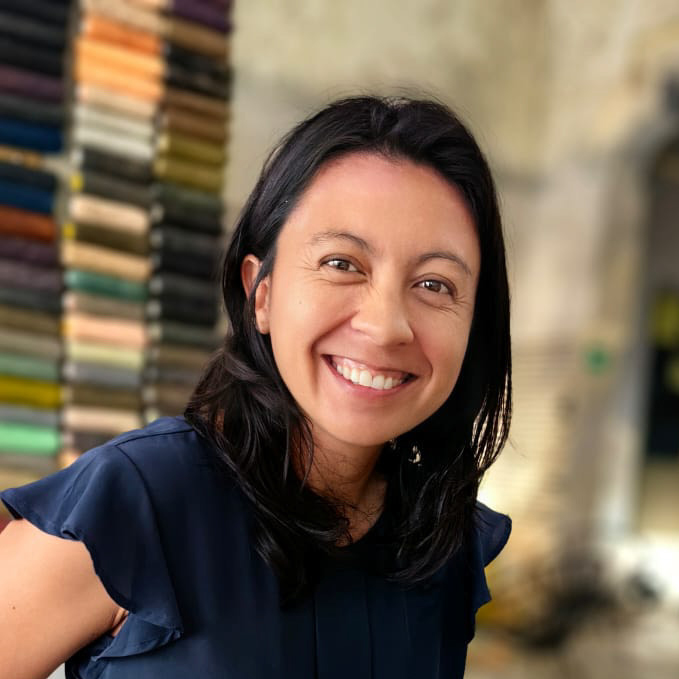
Jenny Brandt (she/her/ella)
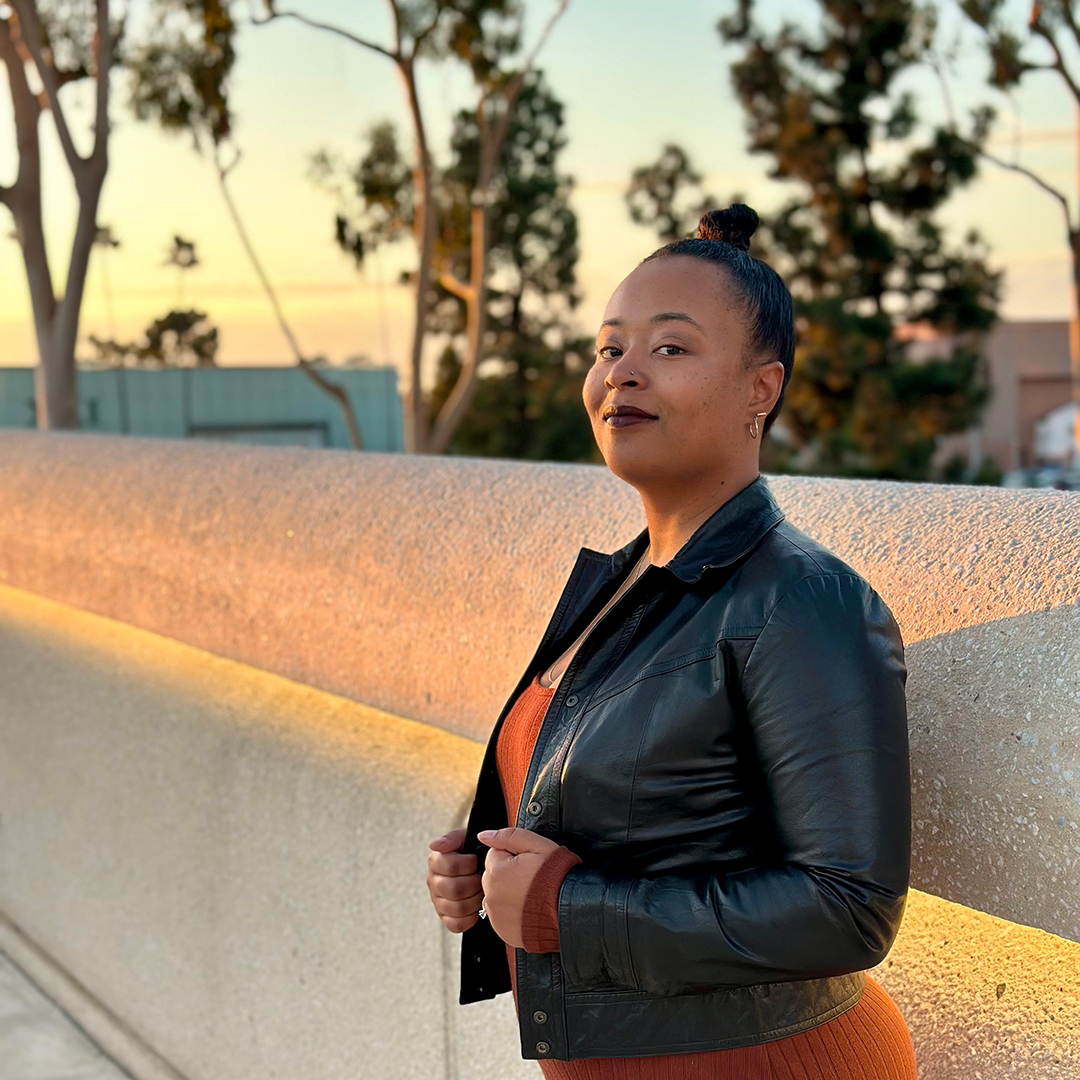
Kelly Phipps (she/her)
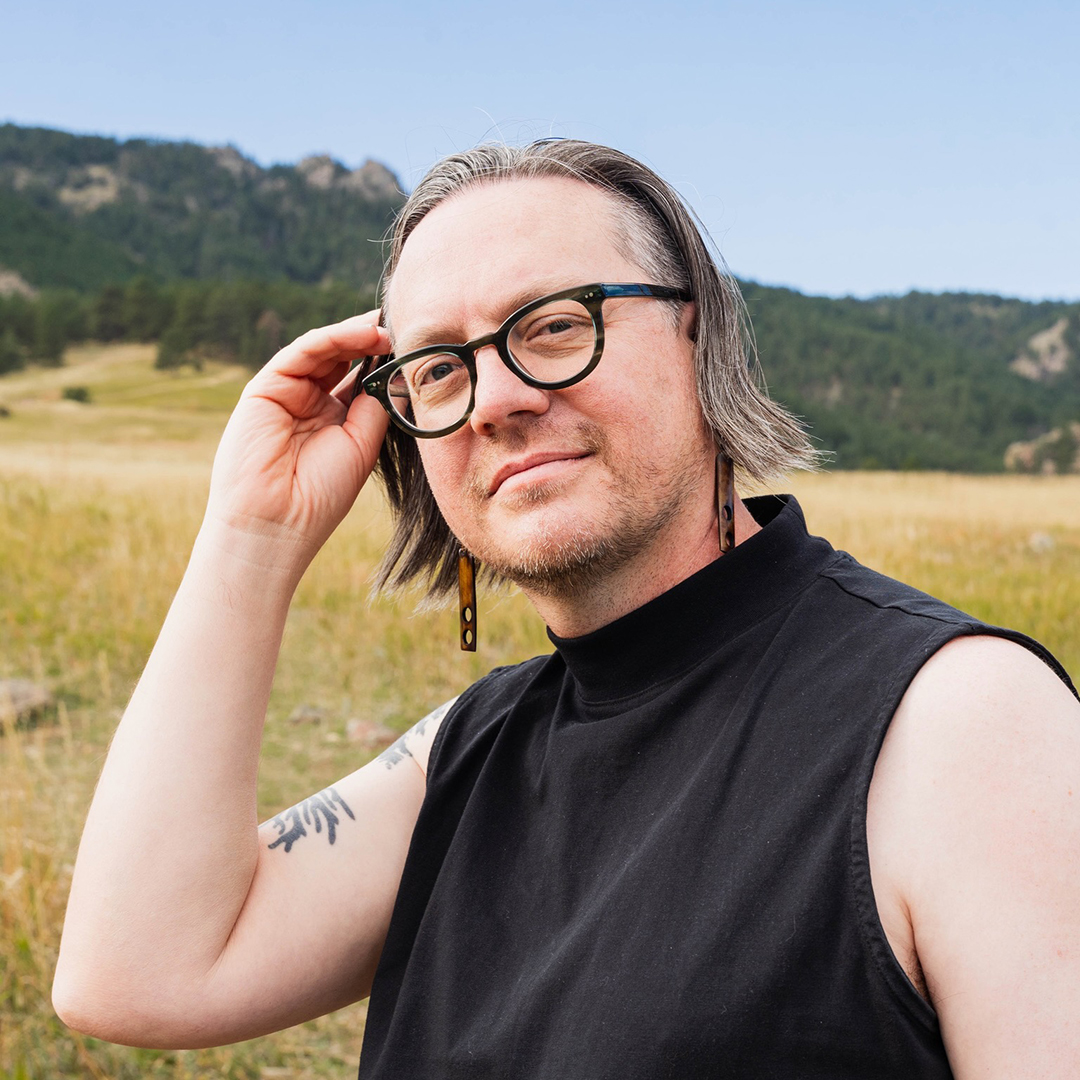
Lucas Land (they/them)
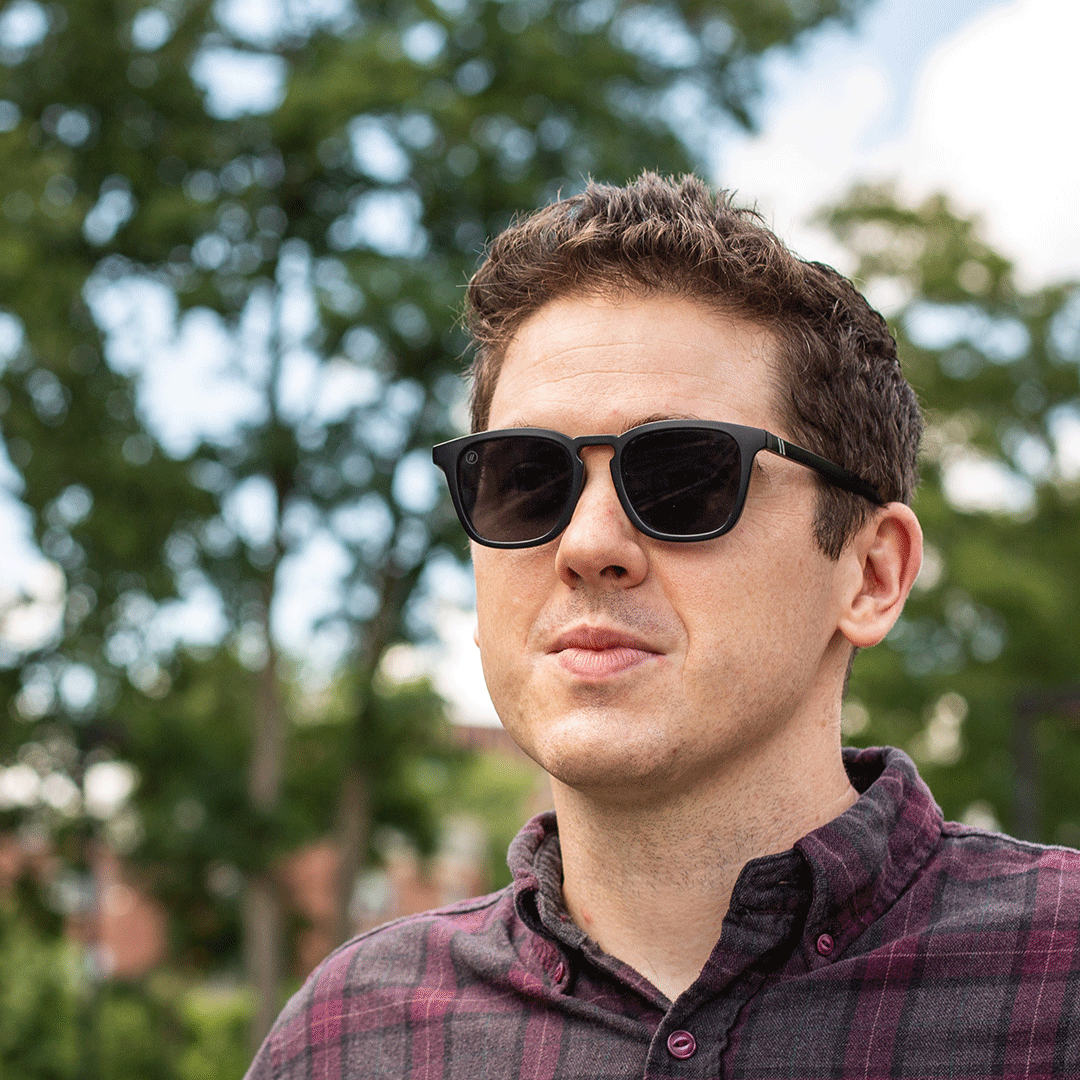
Nate Levin-Aspenson (he/him)
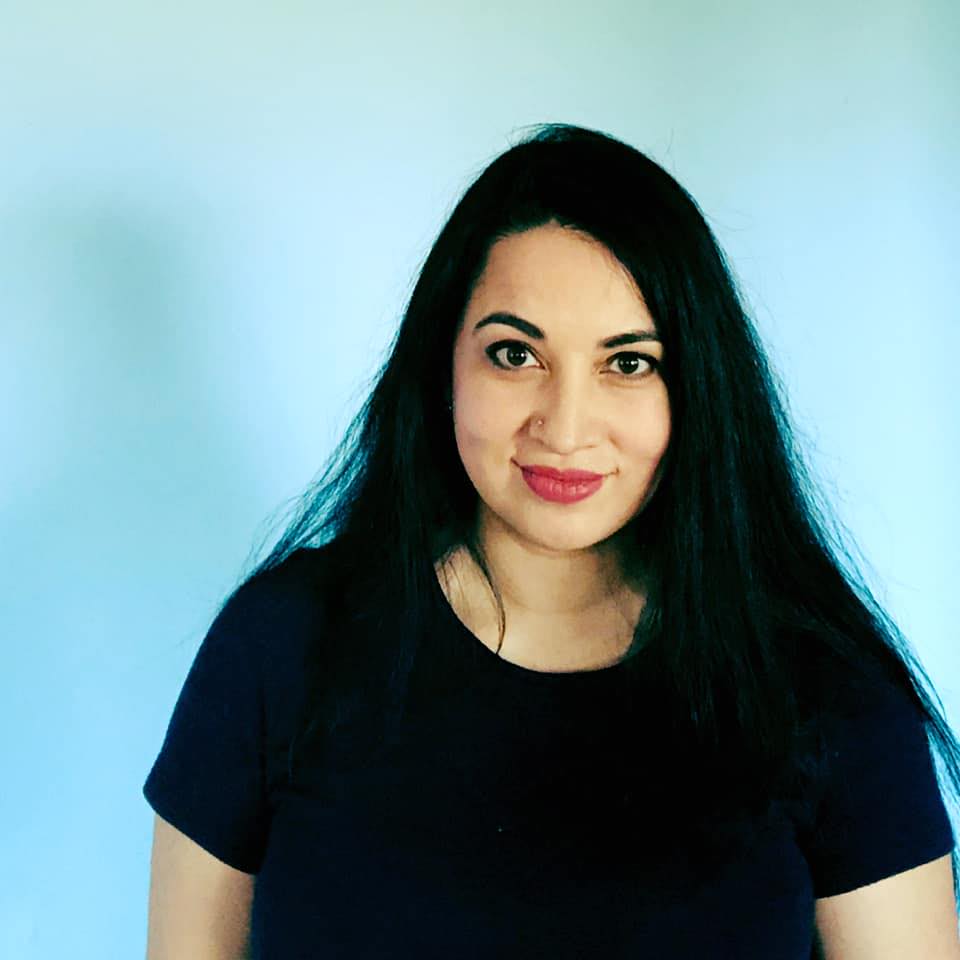
Naya Diaz (she/her/ella)
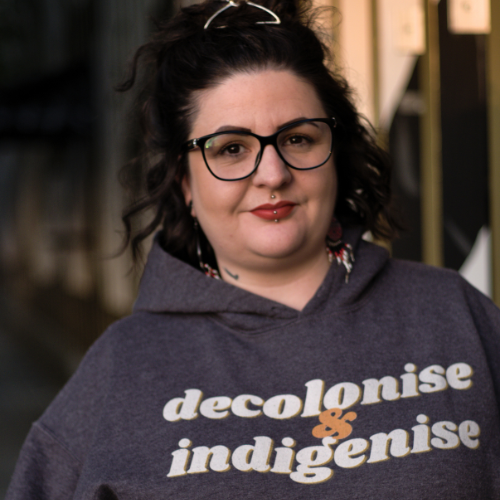
Nel Taylor (they/them he/him, Umatilla)
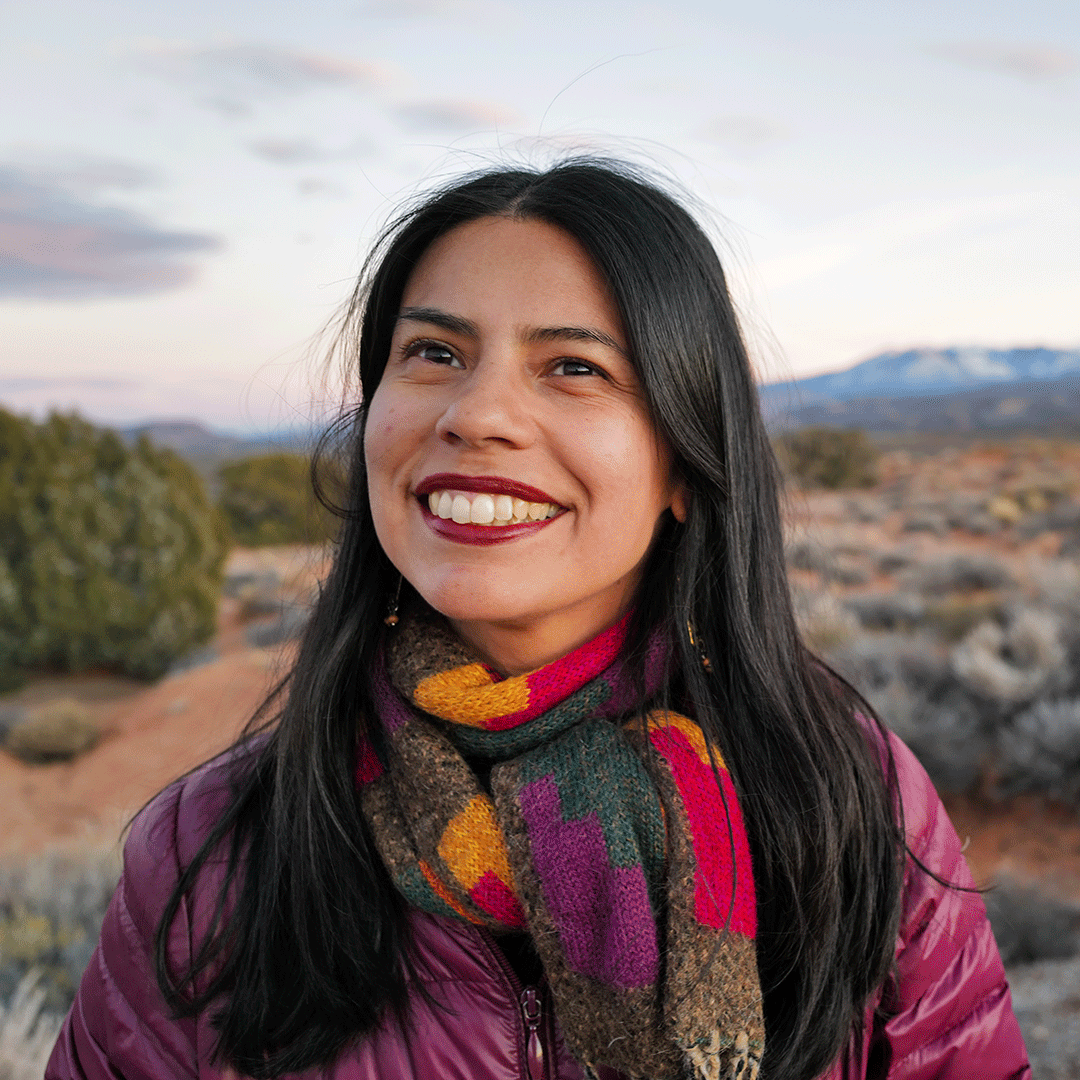
Shantel Suaréz Ávila (she/her/ella)
*Why only three Spanish-speaking sessions and not Spanish translation for all? This was one of those compromises we had to make this year while planning for future years. We wanted to have Spanish translators at every session, but with our current budget and pledged amount from our VAP, it wasn’t economically feasible to have a translator for every session. But this is something we hope to be able to do in the future! At this time, we have three presenters who will be giving their originally proposed sessions in Spanish! A huge thank you to Carlos García León, Jenny Brandt, Naya Diaz for doing the extra labor of translating their presentations and giving it in Spanish for our members who are monolingual Spanish speakers, those that learn more readily in Spanish, or those that simply want to practice their Spanish comprehension!
Discover more from CCF
Subscribe to get the latest posts sent to your email.