
 We, collectively, need to discuss how we are contributing to the burnout of the BIPOC women who serve as moderators in our movement and, more importantly, how we can conduct ourselves to match their intentionality.
Essay Archives
Multiculturalism is a cancer to Black progress
 This modern-day multiculturalism claims that it serves a diverse society, but it serves no one but mainstream white interests. This multiculturalism is inherently anti-Black.
Nonprofits and values-aligned financial decision making: Using our resources for social justice
 It’s no secret that nonprofits often have to make difficult budget decisions. However, many people don’t realize that these decisions can perpetuate some of the very systems we are trying to dismantle.
How white feminism tokenizes and exploits rather than helps someone like me
 Some women often get so caught up in voicing the injustice they experience that they do not recognize the injustice that they cause their sisters of color or people from other marginalized genders.
How retiring our paddle raise and adopting a more authentic fundraising event led to greater income and community connection
By Patricia Gray and Tiffany Hitt
 For two decades, our organization hosted galas and auctions in expensive hotel ballrooms, featuring exclusive chef experiences and travel packages. The authenticity of our humble, human-centered Pike Place Market culture was missing from these events.
Let’s talk about DAFs: A call for transparency and equity
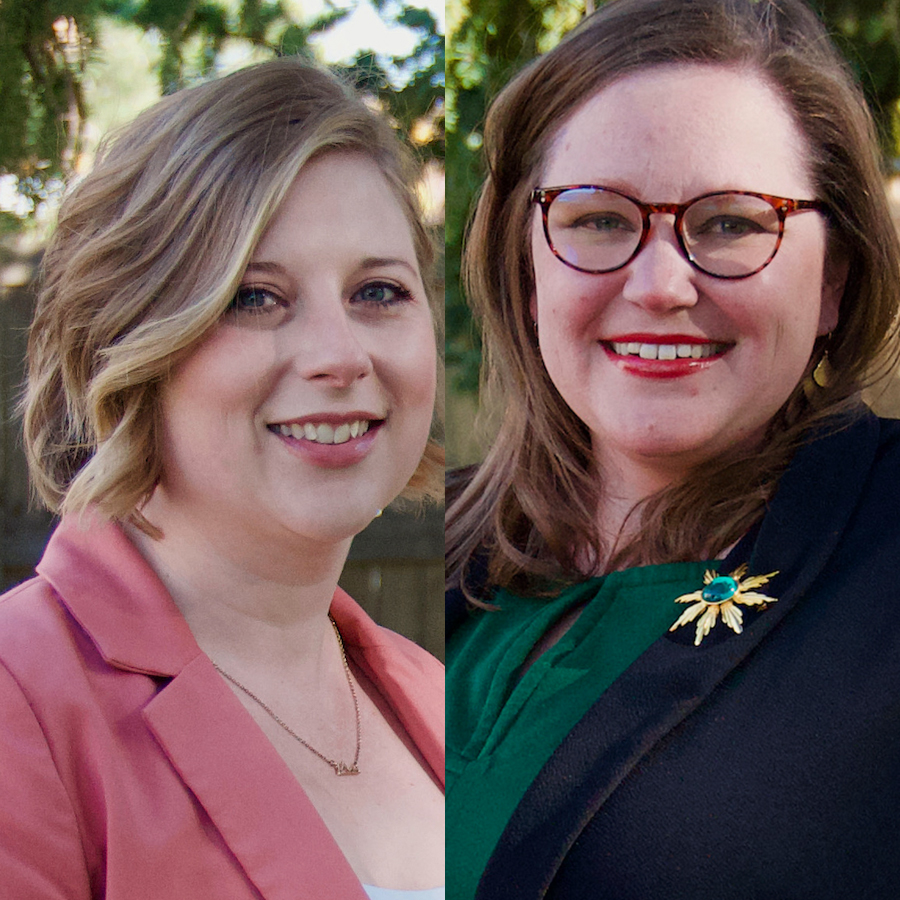
By Maegan Vallejo and Nia Wassink
 The existing lack of oversight and giving requirements for donor-advised funds (DAFs) raises pressing concerns that extend beyond philanthropy.
For those who work in the arts and culture sector…
 Working in the arts as a community-centric fundraiser has been a pleasant joy. And by pleasant joy, I mean that every few weeks, I go into an existential crisis at the state of the world, the state of funding for the arts, the idea does any of this really matter?!, and the crushing doom of capitalism. You know, typical stuff.
Why “decolonizing” is the wrong word for changes we make inside oppressive systems, and how we can strive to be anti-colonial instead
 I have visited this topic with many colleagues over the past few years. We see “decolonize education,” “decolonize the workplace,” decolonize this and that – but what does that really mean?
What the arts and culture field can teach us about CCF, Part I: Fundraising as a narrative change strategy
 I want to begin by sharing my own personal and professional journey, which led me to author a report titled Narrative Change for Racial Equity in Nonprofit Funding: An Exploratory Report on Community-Centric Fundraising in the Arts and Culture Sector.
What Loki can teach us about dealing with organizational change
 With your work universe imploding, how might you respond and take part in creating a plan that leads to collective flourishing? We’ll focus on Episode 4, which weaves a narrative of a broken organization coming back together and having a chance to grow in a fresh way. Using this framing, we can draw our own conclusions about how to deal with organizational change.
Radical philanthropy for Black-led movements: A new asset-based approach to fundraising
It’s time that we stop participating in the devaluing of Black communities and develop a new model of philanthropy that recognizes the inherent value and worth of the communities we serve.
In 2024, less is more: How I learned to honor my boundaries, rest, and find community
 In 2024, I am not wasting any energy on converting people who have no intention of seeing me: “See me and my community or not, we are here – poignant, relevant, brilliant and beautiful, rich and resourceful.”