Learning to fundraise from a place of empowerment and unapologetic awareness

Learning to fundraise from a place of empowerment and unapologetic awareness

By: Xochi Flores, Associate Director of Foundation Relations at Western Center on Law & Poverty; Cinthya Martinez, Development Coordinator at Western Center on Law & Poverty; Heather Masterton, Director of Philanthropy at Western Center on Law & Poverty; April Walker, Consultant at Western Center on Law & Poverty

When community-centric fundraising (CCF) first popped on my radar in 2020, it felt like a family reunion. Suddenly, I had kinfolk nationwide asking the same questions that repeatedly bounced around in my head. Questions such as is fundraising supposed to be this complicated? How can one ultra-wealthy donor be the hero of everyone else’s story? And when do I get to take this mask off?

As with any budding movement, the critiques around CCF’s principles were plentiful, and the feigned interest equally so. Many were quick to dismiss community-centric fundraising as something that simply would not work. But for those of us who resonated deeply with CCF’s commitment to reducing harm and advancing social justice, we welcomed the opportunity to approach our work in new and bold ways.

Among the CCF family I have found is the development team at the Western Center on Law & Poverty (WCLP). As a consultant for WCLP’s development team, I am grateful that the organization’s fundraisers are as bold as they come. Not because the team has everything figured out but because they do not shy away from hard conversations about wealth, power, reparations, and the like. The team’s commitment to community-centric fundraising does not manifest as a checklist but rather as permission to question the model of fundraising we inherited. Centering community is the foundation of how we treat each other and hold space to challenge a system we often want to dismantle (a system that we also recognize pays our bills).

This January, WCLP’s development team convened for an in-person retreat to lean into the CCF principles and chart our path for the year. We left the retreat with a new development team mission statement, clarity on our shared values, and the resolve to continually wrestle with what is uncomfortable. Our team, composed of four women from different racial and ethnic backgrounds, is fertile ground to try things differently and to fundraise from a place of empowered and unapologetic awareness.

Because we know our work is far from done, we want to share our journey with others. We hope our transparency inspires and catalyzes, and we look forward to learning from our extended CCF family along the way.

Xochi Flores, WCLP Associate Director of Foundation Relations

“Just like social justice work is transformative and process based, so are the humans who use their creativity, their wordsmithing, their love of language…to propel the work forward.”

“Just like social justice work is transformative and process based, so are the humans who use their creativity, their wordsmithing, their love of language…to propel the work forward.”

My work in development spaces is multilayered; layers of grants that I am proud to have authored, fundraising strategies that centered the people who were not only impacted but who gave these projects direction and holistic meaning, and layers upon layers of the creation and implementation of sustainable and transformative programming. However, through all the years I have spent in this space, and they are decades, I have often felt a layer of being othered and oppressed by the very systems I was writing and strategizing against.

I felt compartmentalized and isolated from the work on the ground, and I was made to feel like any deviation from what the cisgender heterosexual men in charge had planned for me was a betrayal to the movement. In addition to this, I yearned for true partnerships with funders, partnerships rooted in checking our privilege, and reflecting on who we are in these social justice spaces and how we got here. Furthermore, I wanted this partnership to mirror the world we are working toward building instead of the traditional funder-grantee off-balance, uncomfortable, and super tricky-to-navigate relationships I grew accustomed to, no matter how wrong it felt in my body and mind. These relationships often take us, development workers, out of the social justice dismantling systems of oppression work only to reinforce harmful colonial practices.

To view development work in a cubicle that separates it and its practitioners from the work we are writing about is counterintuitive to building spaces of justice and liberation. I see development work as social justice work and, as such, as holistic and transformative, not transactional.

We are not just grant seekers, grant writers, foundation relationship stewards, and event planners. We are also parents, students, and professors. We are sisters and siblings in family and in community. We are connectors of all of the spaces we occupy and engage in. And just like social justice work is transformative and process based, so are the humans who use their creativity, their wordsmithing, their love of language and communication, and their acquired-by-living skillset to propel the work forward.

Heather Masterton, WCLP Director of Philanthropy

“I find myself asking, how can I show up in a way that supports my BIPOC colleagues and creates accountability?”

“I find myself asking, how can I show up in a way that supports my BIPOC colleagues and creates accountability?”

As a cisgender, white woman in a leadership role in fundraising, I know that my whiteness and privilege have opened doors for me to hold positions of power, successfully secure financial resources, and build strategic partnerships for the nonprofits I have worked for – work I have done while I was grappling with my own feelings of otherness as someone who lived in poverty and now navigates spaces of wealth as a fundraiser.

Integrating CCF principles is about reckoning with power and positionality, unpacking what we’ve been told is the ‘best’ way to raise funds, shattering myths about wealth creation and who gets access to wealth, and reimagining how we can do this work differently. It’s hard work, and we cannot do it if we don’t see everyone’s role in advancing racial and economic justice – fundraisers, donors, boards, partners, impacted folks – and how we all truly belong to each other.

CCF demands we remain curious and constantly ask questions of ourselves and others to foster a sense of belonging. I find myself asking, how can I show up in a way that supports my BIPOC colleagues and creates accountability in those moments that call for naming, questioning, and exposing habits of white supremacy that so often appear in our work? How can I become more intentional in moving with empathy and accountability to have courageous conversations that invite donors to look at their approach to giving and see themselves in the larger work of anti-racism and personal and systemic transformation? How do I, and we, as white fundraisers in social justice spaces stop seeing ourselves as the “good” white people, separate from white dominant culture, and as people who don’t need to do the work? Community-centric fundraising is about calling everyone in and seeing the value we all bring to this work.

As the famous quote goes, if we have no peace, it is because we have forgotten that we belong to each other. Instead of fostering a false sense of urgency that dominates our field, we can foster a sense of belonging that allows us to truly find our way back to each other.

Cinthya Martinez, WCLP Development Coordinator

“It is imperative to explore how our work fits into the larger nonprofit ecosystem and the collective social change we are working towards.”

“It is imperative to explore how our work fits into the larger nonprofit ecosystem and the collective social change we are working towards.”

There was a disconnect for me on previous development teams that didn’t prioritize community. There was limited discussion about sharing resources or partnering with others unless most of the benefits were for our organization. We often pursued funding opportunities that were tangential to our mission but didn’t meet the needs of the community or program staff. We missed opportunities to consider how our fundraising efforts impacted peer organizations and to ask those served by the mission if our work was still relevant. And we didn’t see how work can be relevant and still not respond to community needs.

Development staff are placed in a hard position when individual nonprofit organizations are treated as the most important thing. It is imperative to explore how our work fits into the larger nonprofit ecosystem and the collective social change we are working towards.

Our team retreat in January showed me how much of a deep dive into CCF’s principles is possible and how intentional we can be about identifying our values as a department. Hearing my team members wrestle with the CCF principles in real time opened my mind up to things I had not yet considered. How can we implement these principles into our everyday work? What can we do to be inclusive of our nonprofit peers and grassroots partners who are equally as critical to the fight?

If our approach to philanthropy doesn’t come from a place of collaboration and social justice, then I just don’t know what we are doing. It feels good to be at an organization that is mindful of this work, but, more importantly, it is the right thing to do.

As a team, we are excited and humbled by what lies ahead. There is much to learn, unlearn, and challenge. We are grateful to the community-centric fundraising movement for providing us with a shared language because communicating clearly and honestly is an essential part of this work. We are committed to fundraising with authenticity because we believe in making space to bring our full selves to work. And we invite you to stay tuned and stay in touch because we know we are stronger together.

WCLP Development Team Mission Statement:

Western Center’s Development team’s work is rooted in equity and justice. We secure and move resources toward disrupting existing systems of oppression, resource hoarding, and white supremacy. By cultivating and bridging strategic relationships and by uplifting the work of our colleagues, partners, and directly impacted people, we shift narratives and move resources to advance racial and economic justice.
Xochi Flores

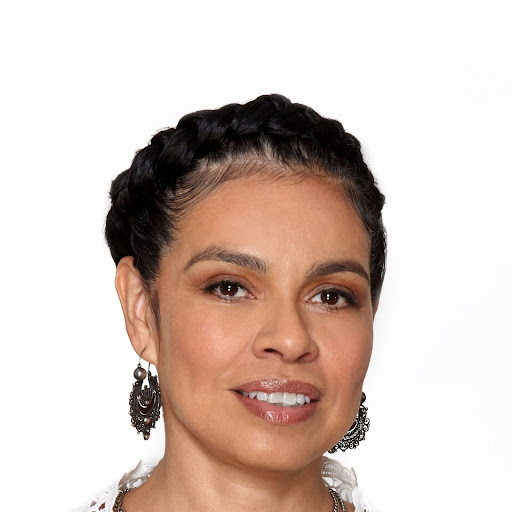
Xochi Flores

Xochi Flores (she/her) is a mother of three young women, a community artist, activist, and scholar who has been using the tools within our communities to foster growth and intentional participation of all stakeholders. She has worked with communities in the U.S. and in Mexico in developing multidisciplinary projects in music, poetry, dance, baking, and motherhood to strengthen relationships in families and communities. Xochi has a long and successful fundraising and grant writing track record, supporting multiple restorative justice nonprofit organizations, as well as individual artists in Los Angeles. Xochi is a founding member of the Son Jarocho/Chicanx group, Los Cambalache, who’ve been active in the Chicane/Latine community since 2009. She holds a master’s degree in Educational Leadership and Human Services and teaches Multi Cultural Arts in Los Angeles at Cal State LA and in California state prisons for women.
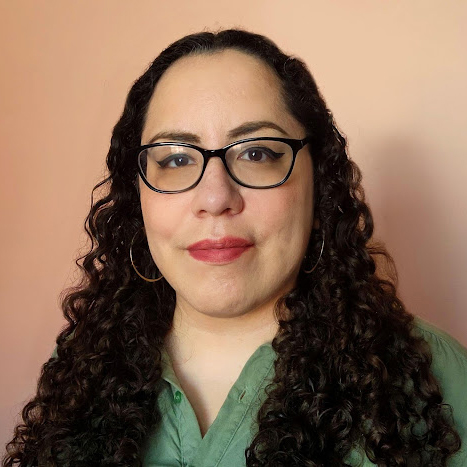
Cinthya Martinez

Cinthya Martinez

Cinthya Martinez (she/her) is a resourceful and creative development and design professional with 15 years of experience. She has been in love with technology for as long as she can remember and is passionate about championing the vision of organizations and the stories of their clients, donors, and staff. Prior to joining Western Center, Cinthya served as the Events and Development Coordinator for YWCA Glendale and Pasadena where she was instrumental in the promotion, donor management, and programming of their signature events: the Women for Racial Justice Breakfast and the Heart and Excellence Awards. She also worked to establish and maintain brand identity, develop social media content, ensure data integrity, and develop donor stewardship initiatives.

She began her career at Cal Poly Pomona’s MediaVision production studio where she worked for 7 years and discovered her love of video and audio production and editing. She has evolved from volunteer to taking a leadership role at previous organizations.

Cinthya holds a Bachelor of Arts in English Literature and a Bachelor of Arts in Psychology from California Polytechnic University, Pomona.

Heather Masterson

Heather Masterson

Heather Masterton (she/her) is a seasoned fundraising and communications professional with 27 years of experience working in the nonprofit field. She holds a Certified Fund Raising Executive (CFRE) certification and has successfully secured over $40M to support transformative programming and policy change in the areas of gender, racial, and economic justice. As Director of Philanthropy at Western Center on Law and Poverty, Heather builds and executes the organization’s philanthropic growth strategy, elevates the organization’s profile through impactful communications campaigns, champions and integrates community-centric fundraising principles, and serves as a member of the management team.

Her past leadership roles include: Chief Strategic Engagement Officer at YWCA Glendale and Pasadena, Vice President of Development at Joyful Heart Foundation, a national nonprofit focused on ending domestic violence and sexual assault, Executive Director of South Valley Sanctuary, a 57-bed domestic violence shelter program in Utah, and Director of Development for Peace Over Violence, LA’s first rape crisis and domestic violence support center.

Heather holds a Master’s degree in Women’s Studies and a Bachelor’s degree in Women’s Studies with a Minor in Public Policy from the University of California, Los Angeles (UCLA). Heather is a member of the Association of Fundraising Professionals (AFP) and is a founding board member of the nonprofit, The Good Deed Corps, which works to eliminate barriers to voting through wrap-around voter registration and education campaigns in Texas and Georgia.
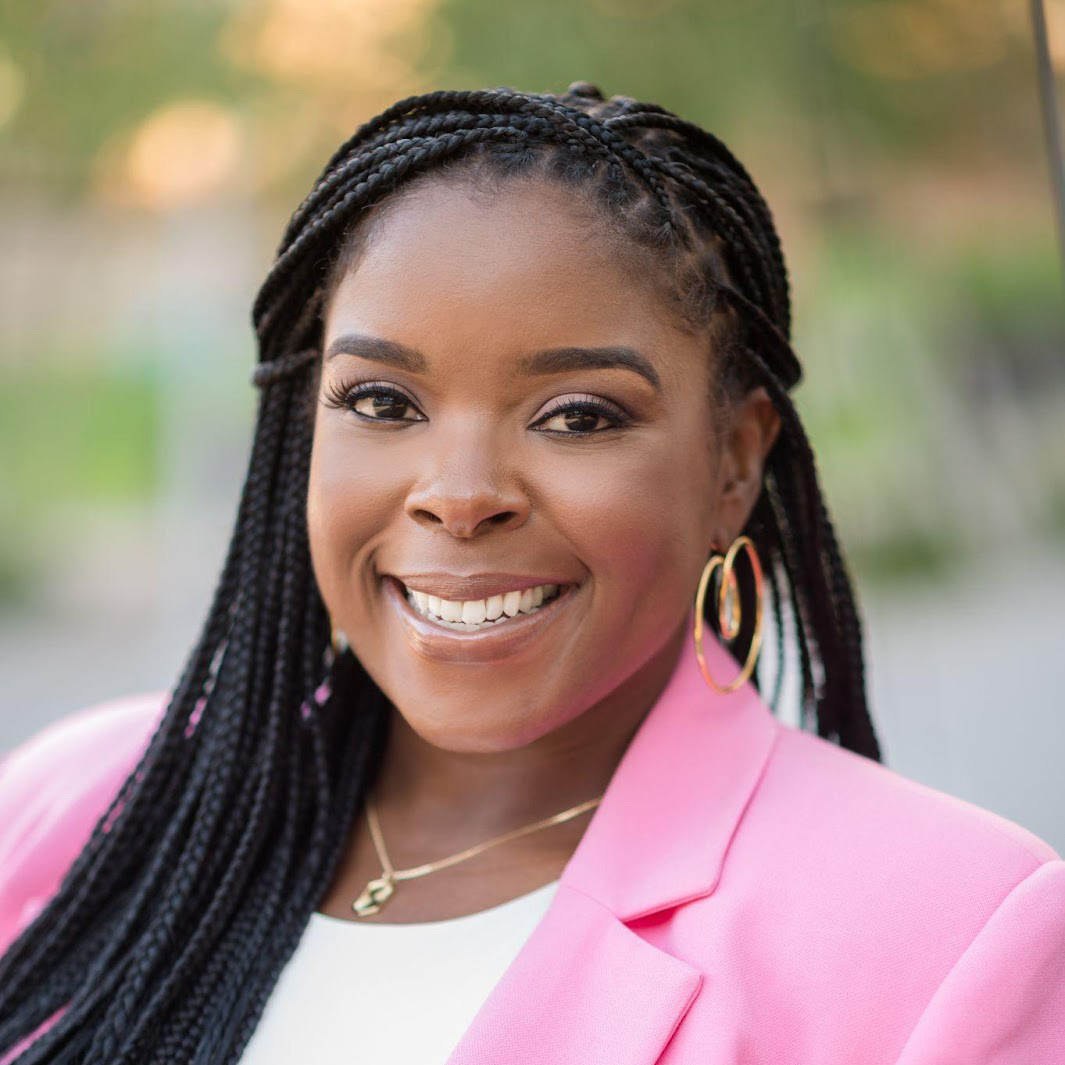
April Walker

April Walker

April Walker (she/her) is a nonprofit and foundation consultant, equity champion, and writer. April’s career in philanthropy spans grantmaking, fundraising, and consulting roles at the American Heart Association, CCS Fundraising, and VNA Foundation. She previously served as Chief Development Officer for a workforce development nonprofit in Cleveland, Ohio where she led a $10 million capital campaign raising $3.2 million in 18 months. 

In 2021, April founded Philanthropy for the People, an equity-centered consulting firm that equips donors, foundations, and nonprofits to embrace philanthropy that centers racial equity and social justice. Philanthropy for the People has partnered with a growing list of nonprofit and foundation clients throughout the country including the Human Rights Campaign Foundation, Boys and Girls Club of America, the Columbus Foundation, and the Western Center on Law & Poverty.

Born and raised in Baltimore, April has called the Midwest home for the past 10 years. She serves on the boards of Arts Impact, the Cuyahoga County Library Foundation, Enlightened Solutions, and the Curve Foundation. April earned a Master of Arts in Social Service Administration from the University of Chicago, a BA in Sociology from the George Washington University, and a certificate in Diversity and Inclusion from Cornell University.
The real reason nonprofits can’t keep great staff and 5 strategies with equity outcomes

The real reason nonprofits can’t keep great staff and 5 strategies with equity outcomes

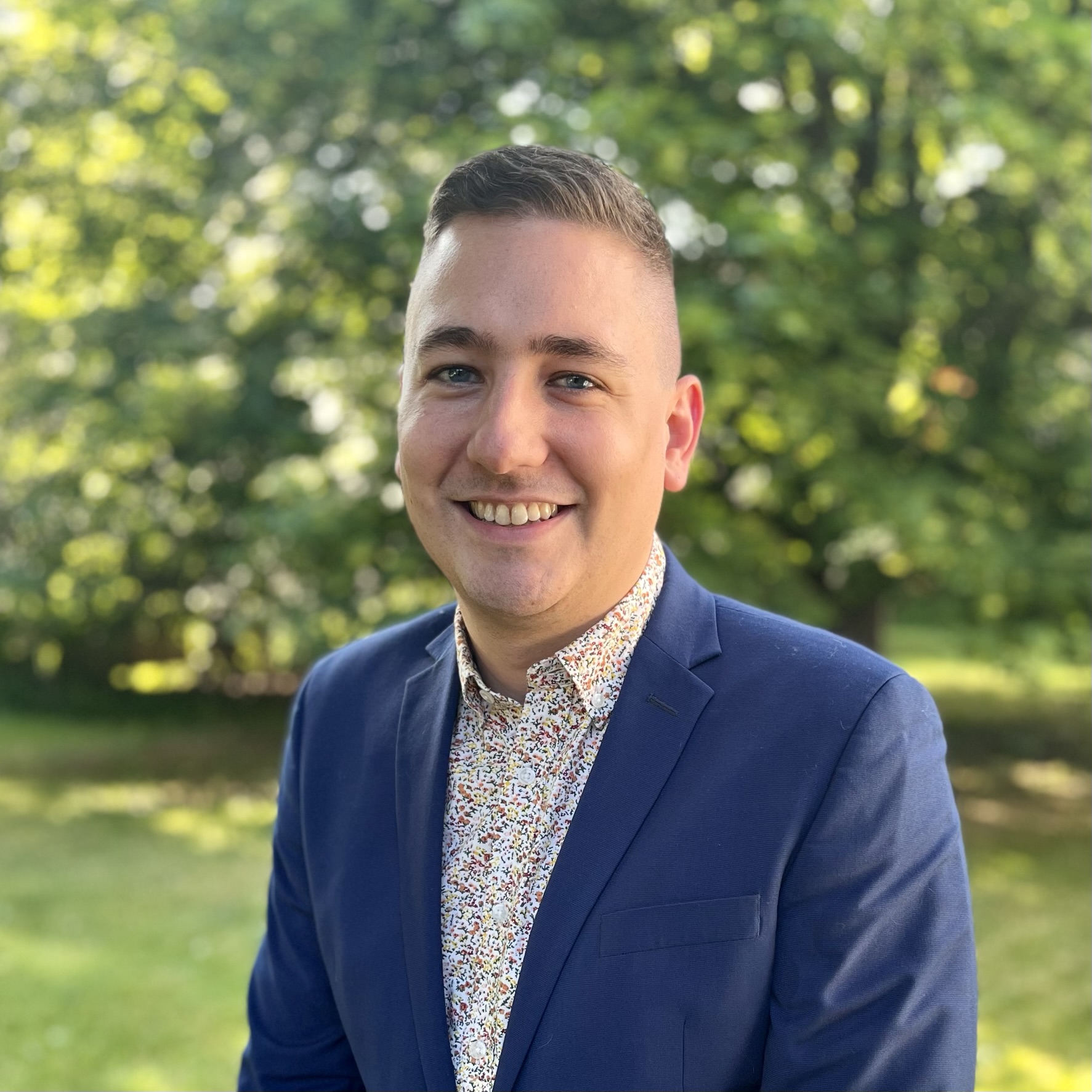
By: Jonathan Meagher-Zayas, nonprofit strategist

Potential Trauma Reminders Warning: mentions of sexual assault, racism, homophobia, and bullying at work

I always knew I wanted to support my community. Growing up queer and Puerto Rican, I could tell significant issues needed to be addressed and solved. As I navigated my career exploration process, I interned at an LGBTQ advocacy organization doing community organizing work and knew working for a nonprofit was the place for me.

I enjoyed working hard to serve and support community issues while having the freedom for innovative and status quo-breaking ideas. I did whatever I could to further my experience with more internships, jobs, education, credentialing, volunteering, and leadership programs. To this day, I remain committed to holding myself accountable for growth and focusing on community needs through nonprofit work.

However, despite improving my skills and listening to many leaders in the field on their advice, I still found myself in situations where I was forced to leave my nonprofit job and question whether this was the right sector for me.

After 11 years in the sector, I’ve left three full-time jobs without a job lined up due to traumatic experiences.

The traumatic experiences we endure working in nonprofits

…the real reason nonprofits continue to fail at staff retention and equity initiatives is that they refuse to address their oppression.

For most opportunities, I moved on to something better: more money, better responsibilities, and more leadership opportunities. Even though I moved onto something better, the move was almost always coupled with running away from some abuse and, frankly, exploitation.

Each situation followed a pattern. I came into the organization excited and ready to work. I worked endlessly for months getting to know the organization, figuring out issues, identifying and implementing solutions, and also raising more money than they had before. I was a stellar employee and gave my life to the organization. Then something bad happened, and my trust was broken.

The incidents varied but some of the worst included:

  • Being sexually harassed by a donor, reporting it to the executive director only to be told that was how fundraising works;
  • Witnessing a fellow fundraising employee commit racist, homophobic, and inappropriate (touching an intern’s face without consent) acts, reporting it to human resources only to be told  that the employee was stressed and still in their ‘diversity learning journey; and
  • An overwhelmed boss who bullied me so much that the board had to intervene and prevent this person from talking to me for the rest of my employment.

Each time the organization lost my trust. My confidence in their ability to execute their mission, support me as an employee, and advance equity disappeared.

The worst part of it was every organization tried to paint me as the issue. Organizational leaders said I was not skilled enough to handle the conversation; my communication skills needed to improve; I needed to calm down and give other people grace; I was not the right cultural fit for the organization. Then these leaders shared those feelings with others in the community which affected my future opportunities.

I continued to feel defeated, questioned my ability to do my work, and wondered if I wasted years working in a field that did not want me.

After hours of therapy and healing, I learned that even though I still have a lot to learn and grow, the fact I did not want to be complicit in problematic behaviors was not the problem. I came to the same conclusion each time: nonprofits were more willing to dismiss racist behavior than admit they did something wrong.

Also, this pattern is not something that just happened to me. I’ve chatted with dozens of individuals who left their nonprofit for similar reasons. Despite how much the leaders said they were passionate with good hearts and committed to diversity, they usually prioritized protecting themselves and the problematic employees. Of course, I’m simplifying the situations (and trying to be vague to avoid specific people attacking me). But over the last couple of years, the majority of nonprofit leaders I have interacted with have continued to complain about recruiting staff, keeping great talent, and increasing diversity, yet they let things like this happen. They focus their efforts and energies on external strategies without first assessing internal efforts. They tend to blame specific employees or larger issues because it is easier than holding themselves accountable.

Therefore, the real reason nonprofits continue to fail at staff retention and equity initiatives is that they refuse to address their oppression.

As our sector continues to have conversations rooted in racial equity and social justice, we see more training on diversity and implicit bias, more social media and email communication during the various awareness months, and more leadership statements after a tragedy has occurred. However, there have yet to be more admissions of complicity in oppressive practices, more acknowledgments of how organizations have benefited from years of racist policies, or even more apologies when a person within their organization spews racism.

I am summarizing based on personal experience and observations, but I would argue many of my fellow change-makers would say similar things. In order to actually make progress in these areas, I think many leaders need to focus on two things: understanding and acknowledging how oppression shows up in their organization and focusing on strategies leading to equitable outcomes.

Understanding how oppression shows up using an anti-oppression framework

Even with the many problems our sector has, I truly believe we have the opportunity to be at the leading forefront of equity.

To help identify how oppression impacts organizations, I utilize the Four I’s of Oppression framework. This framework names that oppression shows up in multiple aspects of our society, and oppression shows up differently in different ways. These different levels of oppression are:

  • Ideological Oppression: The core idea is that one group of people is somehow better than the other and that group has the right to control and power.
  • Institutional Oppression: Utilizing ideologically oppressive ideas, this level is systems, policies, and practices created to control and oppress certain groups of people. This can show up in multiple ways such as government systems monitoring access to resources, and organizations that have certain policies supporting some groups of people more than others.
  • Interpersonal Oppression: Individuals from the dominant group disrespecting and mistreating others. The ideas and systems created in the first two levels of oppression create, protect, and reinforce opportunities for privileged identities, abilities, and power to treat other groups in inappropriate ways.
  • Internalized Oppression: This shows up in what we as individuals think how our community should work and reinforces the other forms of oppression. Essentially, this is a person thinking, “well this is how things work and accepting it.” This can show up in both privileged and marginalized identities and usually takes unlearning beliefs and attitudes that stem from oppression to focus on challenging the status quo.

I encourage all of you to read more about the different levels of oppression. If we cannot name the oppression, we cannot know the best ways to tackle it.

5 equitable strategies to tackle oppression

Based on personal experiences, research, and this framework, I am proposing five strategies for nonprofit leaders to execute if they truly want to tackle oppression in their organizations.

1. We must encourage, promote, and enforce a growth mindset for everyone connected to our organizations. Much of the oppression in our sector is rooted in ideas and beliefs. These come from skewed educational instruction, influenced media consumption and reinforcement, cultural traditions and teachings, and organized belief systems promoting certain ideologies. Everyone cannot know everything, and there is still much learning and unlearning to do. We must focus on a growth mindset, meaning learning never stops. Organizations can understand ideological oppression and address it by:

  • Providing training and workshops focused on equitable outcomes,
  • Centering voices from marginalized communities,
  • Investing in professional development and social justice education, and
  • Supporting and learning from community leaders of color.

2. Nonprofit leaders must acknowledge oppressive systems and develop advocacy plans. As Vu Le’s NonprofitAF blog and The Ethical Rainmaker podcast have noted many times, nonprofits are created to solve community problems. Once those community problems are fixed, there is no need for that nonprofit to operate how it currently does or, frankly, even continue to exist. We as leaders must acknowledge the history of oppression in the sector (racist policies, the nonprofit industrial complex, and economic injustices) that affect the people we serve, employ, and engage. This may include how your organization benefited from these systems and caused harm. This strategy can be executed with the following actions:

  • Research the history of your organization, community, and sector, and learn how oppression has impacted your work;
  • Acknowledge the harm your organization might have caused and identify actions that will promote healing; and
  • Develop advocacy plans that address oppression and issues impacting the people you serve and employ.

3. Organizations need to develop trauma-informed policies and procedures that promote trust, transparency, and authenticity. We must consider how oppression is integrated throughout the organization, name it, and then focus on eradicating it from the system. I want to acknowledge that we must consider trauma in this process. Trauma from your organization or previous experiences can impact a person’s perception of what needs to be done. Organizational leaders can enact this strategy by doing the following:

  • Create a diverse team of auditors to review your current policies and procedures and make recommendations on how to improve them;
  • Learn about trauma-informed practices and identify how your organization can integrate them into your operations;
  • Develop a communications plan focused on transparency and building trust with everyone involved in your organization (not just your donors!);
  • Host listening sessions with your staff and try to understand the barriers your organization creates that impact their ability to be as authentic as they want to be at work, and
  • Organize your organization so that staff leading equity efforts are not reporting to positions that hinder new ideas or challenge the system (i.e. not human resources, compliance, or legal).

4. Encourage your employees to embrace a cultural humility philosophy. I learned about this in social work school, and I encourage many people to focus on cultural humility. “Cultural humility involves an ongoing process of self-exploration and self-critique combined with a willingness to learn from others. It means entering a relationship with another person with the intention of honoring their beliefs, customs, and values. It means acknowledging differences and accepting that person for who they are.” Cultural humility also recognizes the power dynamics and imbalances that exist and encourages people to fix them in order to develop respectful partnerships with others. By embracing this philosophy, we can build relationships with each other without assumptions of who they will be and also acknowledge there might be power imbalances there. Some actions to address this include:

  • Conduct skill-building training related to cultural humility and inclusive communications;
  • Facilitate relationship building team-building activities rooted in social justice;
  • Host crucial conversations to discuss organizational and interpersonal issues; and
  • Provide tools for employees to increase their interpersonal skills (ex. apologies, feedback, and self-advocacy)

5. Everyone should commit to being self-aware and accountable for their own actions and growth. We are the only people that can hold ourselves accountable. Others can just support or hold us in compliance. This means each person is responsible for how they internally address their own oppressive thoughts. Organizations can encourage and promote self-accountability by implementing actions such as:

  • Conduct self-assessments focused on privilege and bias and identify individual areas of learning;
  • Provide support for personal self-care and healing plans;
  • Identify procedures on how to support employees who are overwhelmed and resort to toxic behaviors to cope; and
  • Support employees in their healing by helping them get coaches, therapists, and mentors.

Even with the many problems our sector has, I truly believe we have the opportunity to be at the leading forefront of equity. With our commitment to the community, opportunities to challenge the status quo, and integration of innovation, nonprofit leaders will have the chance to be leaders in our fight for justice and equity. These are just a few suggestions and actions leaders can take. It will take time, resources, and energy. But I believe embracing an anti-oppression framework will make progress on our most pressing challenges.

Jonathan Meagher-Zayas

Jonathan Meagher-Zayas

Jonathan Meagher-Zayas (he/him) is a Queer Latinx Millennial nonprofit strategist dedicated to addressing equity issues, building capacity, engaging the community, motivating new impact leaders, and getting stuff done. He wears many professional hats, including Fundraising and Communications Strategist, Adjunct Social Work Professor, Diversity, Equity, and Inclusion Consultant, Leadership Development Trainer, Social Sector Career Coach, and Social Justice Champion. He can be reached at jonathan@equitywarriorstrategies.com or on LinkedIn

So, we’re family now? How our childhood experiences shape our workplace interactions

By Ashley Lugo, A values driven community member challenging harmful systems through grant writing, fundraising, and art

As I started navigating relationships outside of my family of origin, I began to recognize just how difficult it was for me to hold on to them. I began to realize that being in community and in relation with others was debilitating for me, and I eventually closed myself off to people. Both out of necessity and fear, I began to place all my attention on work.

How many of y’all have interviewed with a company or worked somewhere that described themselves as a ‘family’? If you were to say, “never,” I’d be genuinely surprised. My experience is mostly in non-profit, and I’ve heard this family descriptor too much (probably to make up for how much they don’t pay). In my experience, this is a go-to for interviewers. 

Today, I’m extremely critical of organizations that describe themselves as family. However, at the dawn of my career, hearing this would be a selling point as I was constantly searching for family

While most people work out their relational patterns and baggage in “romantic” or “personal” relationships, I’ve been doing it through my relationships at and with work. I didn’t know I was doing this during the earlier part of my career. Now that I am, I firmly believe that to create equitable workspaces, we must start by unpacking our formative relationships.

The complexity of the term family

I’ve never had a great relationship with my family of origin. They’re good people. Hard-working people. Hard people. Both of my parents are immigrants from Mexico, and they were young when they came here. They, unfortunately, had to grow up too fast. 

From a really young age, I was very aware of their history and trauma, what they left behind, and the sacrifices they made to come here. It was used to shame me for wanting more than I needed; they never let me forget it. 

We had good times, too. My dad swaddled me and read me to sleep every night until I was about eight, even though he didn’t read English well. My parents are too complex to try and explain here, but I know they confused me and, as such, I also grew up fast, and the cycle of generational trauma continues with me. 

When I left home, I was 19 and desperately searching for somewhere I felt safe. Leaving home was my savior, and I followed that light faithfully. 

As I started navigating relationships outside of my family of origin, I began to recognize just how difficult it was for me to hold on to them. I began to realize that being in community and in relation with others was debilitating for me, and I eventually closed myself off to people. Both out of necessity and fear, I began to place all my attention on work. 

If my life was a romcom, what comes next would be a ‘leveling up’ montage before the main character has a meet-cute with the love of their life while getting work done! 

But of course, that’s not my life; that’s not anyone’s life. What really happened is that my relationship patterns continued to play out at work. I went from one job to the next, going all in and then quitting when it became too much, and all around had a very unstable relationship with work. 

Learning about family systems and attachment theory

The work environments I found myself in were the perfect silos for reenactments of the familial roles I famously played, triggered my trauma, and solidified any previous beliefs I had about people and my worthiness.

I didn’t start going to therapy until maybe four years after leaving home and didn’t start learning about Family Systems and Attachment Theory until 2020! It’s unfortunately taken a while, but I now understand that due to the family system I was raised in, I have a fearful-avoidant (disorganized) attachment style. This means I crave intimacy and connection but am also quite fearful of people and experience difficulty trusting and depending on others. In my family system, I was a parentified kid — some of the roles I played were out of necessity, such as helping my parents fill out paperwork because English wasn’t their first language. Other times it was because my parents didn’t have the emotional maturity to keep me out of their drama.

In Psychology Today, Dr. Ahona Guha states that “parentification teach[es] children not to establish or respect boundaries [and they] tend to lack these skills.” In my relationships at work and with the work itself, I eventually recognized that I had no boundaries. I was often in the middle of everyone’s drama because it felt natural to me to try and fix things. The work environments I found myself in were the perfect silos for reenactments of the familial roles I famously played, triggered my trauma, and solidified any previous beliefs I had about people and my worthiness. 

Family systems theory, originated by Dr. Murray Bowen, is a theory of human behavior that defines the family unit as a complex social system where members interact to influence each other’s behavior. People solicit each other’s attention, approval, and support, and react to each other’s needs, expectations, and upsets. The theory has eight interlocking concepts that “explain how the emotional system operates in one’s family, work, and social systems.” I highly recommend checking out The Bowen Center for the Study of the Family’s website for more information on the eight concepts. It’s extremely thorough and takes a couple of days to get through.

What do all of these psychological theories have to do with work?

In her book, Happiness at Work: Maximizing Your Psychological Capital for Success, leadership development coach Jessica Pryce-Jones posits that “during the course of a lifetime, the average person will spend 90,000 hours at work.” Other experts and professionals say 40-50% of our day is spent at work. Whatever the actual statistic is, we can’t deny work relationships and our relationship with work are important. The reality is that workplaces that describe themselves as a “family” are quite common, but if you haven’t worked through (or even thought about) your family baggage and learned to establish healthy boundaries, working for places like this can be harmful to you and those that work with you. 

In the podcast “How Understanding Your Family Dynamics Can Improve Work,” Professor Deborah Ancona from MIT Sloan School of Management states that “we learn so much of our views toward authority, our views toward power, our views toward what’s important from the whole family system.” I’d like to add to that my personal belief that the way we attach to things can also imprint on what sort of opportunities we pursue e.g., young me working for any place that referred to themselves as a family and quitting to avoid major conflicts.

Leaders and executives need training around social and emotional systems. 

In the previously mentioned podcast, the host Curt Nickisch opens the episode with “managing people means engaging with their psychology.” Having spent more time as a ‘subordinate,’ I’ve always thought this to be true but never found superiors that did. I remember constantly feeling from my supervisors an expectation of helping them to understand me but never the other way around. From some of my most domineering managers, I remember feeling like they were allowed to tell me anything and everything, and I was expected to just take it but never the other way around. I now believe you can learn a lot about a manager’s family of origin from how they lead. 

Another interviewee of the aforementioned podcast episode, Dennis N.T. Perkins, CEO of the Syncretics Group and a former professor at Yale School of Management, mentions that “the ripple effect from some behaviors at that [senior executive] level has an impact that is tremendous.” I would argue, to the point that it’s traumatic. 

Leadership, and everyone who falls under that umbrella, sets the tone for the company’s culture. In “Family Ghosts in the Executive Suite,” co-authored by Ancona and Perkins, they say “If you want to become a better leader, you have to seek out feedback and engage in self-reflection…ultimately, leadership is about imagining the future that you want to create.” They argue in this article that by “contending with ghosts from your past,” we can uplift the healthy mechanisms inherited from our family system and challenge the unhealthy ones.

Employment is key to cultivating our safety and stability so, to some extent, our employers play a role in upholding our safety. Some of the people who had previously employed me also promised me mentorship. Those who seriously pushed the ‘family’ narrative were the most difficult to work with; they had unhealthy boundaries with work, and as such, so did I. When I finally began to stand up for myself, I became “insubordinate.” Instead of growing into my career and into myself, I stopped dreaming. 

Understanding and making space for relational learning curves at work

As we re-imagine ways to create equitable spaces — including workspaces — it’s important to remember that just as everyone comes in with productivity and project learning curves, they also come with relational learning curves.

This is what white-supremacy culture wants from us. Identity-less, non-humans that mindlessly make profits. 

I think one of the biggest hindrances to our wellbeing is this belief that work stays at work and home stays at home. Our identities are constructed from all the things that impact us day to day. Humans feel emotions that shape our beliefs, and those emotions have histories just like everything else that makes up this world we inhabit. Our emotions and our ability to express them is a gift. From our families, we’re meant to learn how to do so respectfully and how to hold space for others. But, let’s be real, most of us don’t learn that from our families. 

As we re-imagine ways to create equitable spaces — including workspaces — it’s important to remember that just as everyone comes in with productivity and project learning curves, they also come with relational learning curves. One of my favorite quotes is from somatic abolitionist Resmaa Menakem, “Trauma in a person, decontextualized over time, looks like personality. Trauma in a family, decontextualized over time, looks like family traits. Trauma in a people, decontextualized over time, looks like culture.”

Dismantling white supremacy culture means evaluating systems and challenging hegemony, including our family systems. We can show ourselves and others more empathy by holding space for the experiences that shaped us and also make room for diversity in thought and values. The point of equity is that everyone, no matter where they’re starting from, has access to safety. Work and our relationships are major building blocks to our safety and wellbeing; if we’re to create community-driven solutions, we must nurture the way we relate to ourselves and others.

Ashley Lugo

Ashley Lugo

Ashley Lugo (she/they) is a neurodivergent, queer, multiracial, and Latinx person. They have a degree in Vocal Performance from CCPA at Roosevelt University and a patchwork of work experiences in sectors and roles ranging from grocery store clerk to fundraiser. Currently, she is a Grant Writer at Giant Squid Group. When not working, she serves on the board of Thompson Street Opera Company and continues to sing every day in the shower, while cooking, and to her cat, Morena. They savor wine and enjoy long bike rides down Chicago’s Lake Shore Drive. Often at the same time! You can find Ashley on LinkedIn — tip them on Venmo.

Organizations dedicated to CCF are also better dedicated to their staff: My flight toward one

Organizations dedicated to CCF are also better dedicated to their staff: My flight toward one

By Sagried Slater, Impact Revenue Specialist at Common Future

Overall, life was great; but the cauldron was boiling. The discord between who I was outside of work and who I was at work was palpable (admittedly a personal battle and not my employer’s). Values I held dear and upheld in “real life” clashed with who I was at work…Then I found CCF.

In 2010, I saw the Dalai Lama speak at Radio City. “Be grateful for those who give you the practice of forbearance,” he said. That stuck. I muttered it every weekday when I got off the subway in midtown en route to work — quite null of serenity.

Getting older is tough. Choices seem to carry a heavier weight. I’m not sure why. Perhaps it’s because I’m inching closer to breathlessness, or maybe it’s the decades of experience and insight. Beauty’s in the voyage, too, of course; it’s just opaque sometimes. I’m grateful to see it.

Even in my career. Especially in my career.

Through the values of acceptance and compassion, I’ve gifted myself grace. Whose path is paved?

Full disclosure: my jughandle of a path only recently landed me in nonprofits. While reassessing career choices, I considered how the sector had been a life constant through decades of volunteer work. I saw an opportunity. Then I sat on it for nine more years.

It’s not to say I was unhappy. Overall, life was great; but the cauldron was boiling. The discord between who I was outside of work and who I was at work was palpable (admittedly a personal battle and not my employer’s). Values I held dear and upheld in “real life” clashed with who I was at work. How can I advocate for authenticity and insist on it from others when I find discomfort in being my true self at work? Isn’t work most of “real life”? Inquiry is liberating. By the time our masks came on in 2020, the queries had led to an all-encompassing commitment to values alignment and a Master’s in Nonprofit Administration.

Then I found CCF.

My new colleagues at Community Credit Lab (CCL) introduced us: “We’re dedicated to Community-Centric Fundraising.” The first paragraph on the homepage hooked me. Now that made sense. So I unlearned and learned through the insight and righteous writings of CCL’s grant consultant Cami Aurioles, webinars with Marisa DeSalles, and The Hub.

CCL is also centered around racial and economic justice, so I anticipated parallels with CCF’s 10 Principles. From seeing the work as a whole (#9) to difficult conversations (#6) to prioritizing the collective (#2), there wasn’t a time when my colleagues did not represent the principles. It is a testament to values — individually and organizationally — to stand true.

Especially through an acquisition.

There’s something about these organizations grounded in equity, driven by justice, and shifting power to community-rooted solutions.

In October, CCL was acquired by Common Future (CF), an organization which is also focused on racial and economic equity (#10). The transparency and decentralized decision-making of CCL’s Co-Founders, Sandhya Nakhasi and Ryan Glasgo, throughout the process is reflective of their values, the work they do, and the words they speak. Our team was held with and in trust, respect, and transparency (#4,#6). If you’ve been through mergers and acquisitions (M&A), you know how organizationally and emotionally significant this is.

And the voyage…

So now I sit within CF’s all-BIPOC Revenue team — a team which created the Equity Commitment, a tool to balance the power dynamics of the funder/grantee relationship. Guided by Rakiba Kibria, radical candor and authenticity are encouraged. Breath!

There’s something about these organizations grounded in equity, driven by justice, and shifting power to community-rooted solutions. Does the work of dismantling oppressive systems inherently prioritize staff? In my experience, yes — and a bias for action, learning, and adaptability attract this inclination for intra-organizational alignment.

Why am I sharing all of this?

  1. I want you to feel supported.
  2. I want to shine a light on organizations giving us that support — living their values internally and challenging exploitive models.
  3. I want that light to spore.

Working in supportive, flexible environments with inspiring, grounded, and thoughtful folx has validated my “nine-year decision” more times than I can count. In the past two years, my mother got diagnosed with breast cancer; I evacuated twice due to fires; my longtime partner and I had to move into an 8×9 room (yeah, we’re exes now); I moved twice; and COVID obliterated my mind for months. I know y’all haven’t forgotten the pandemic and upheavals. That convergence and balance of the personal and societal was/is overwhelming to countless people.

In truth, I am lucky and deeply grateful — mom is healthy; my extremely hard-working father finally retired (what up, grind culture); I’m alive; my brain works; I spent months abroad; I reunited with family and friends after years apart; and I love my new home. I named those afflictions to emphasize that I’m not sure I would have gotten through all of that with my mental health intact — let alone thrived — without the support from my organizations and the values they upheld during those times. Societally, my hope for a rising phoenix wouldn’t have endured, that’s for sure.

I wonder what I could have done with that support in a brighter year.

Think of what we could do together with that support.

A few years ago, I would never have shared those trials online. But I find myself contently — clumsily, at times — embracing my vulnerability fully in this comprehensive push for authenticity. Real life. Where my personal practice of forbearance includes expressing boundaries, where I gift myself grace, and where alignment enlivens this latest inch to breathlessness.

Oxygen.

“Put your mask on first before assisting others.” Y’all have heard it before. Whatever you need to find your breath, I encourage you to do it. Will it work? Will it be the right path? I don’t know, but inquire and maybe you will. It may not be easy; it likely won’t be. But if you’re here, you’re a changemaker. It’ll flow.

Transformation (#9). Healing (#10). Collective (#2). Abundance (#3).

There’s a fractal physiology to the breath.

Rise and raise, unicorns. “We got this.

Sagried Slater

Sagried Slater

Sagried Slater (she/her) is a Love ambassador and holds steadfast that the most significant way to impact our communities is through social responsibility: the most profound avenues being equity and social justice. With sincerity, transparency, and community-centrism at the forefront, philanthropy is a force to activate a compulsory and symbiotic evolution. Learning and working from the unceded Lisjan territory of the Muwekma Ohlone people (now known as Oakland, CA), Sagried explores ways to shift capital and power through the lens of abundance, belonging, and emergence as her contribution. 

A second-generation Filipinx, Sagried (pronounced “sacred” with a g instead of a c) attributes her delight and Heart to her family and friends, musical voyages and paperback travels, sangha and breath, the interplay of sun and frond, and “the sweet love between the moon and the deep blue sea.” Connect with Sagried on Linkedin, Twitter, or tip her on Venmo @sagried.

Holding yourself accountable for your allyship

Holding yourself accountable for your allyship

By: Maria Rio10+ years of experience in nonprofit project/people management

As the conversation around allyship continues to evolve, it’s becoming increasingly clear to our white colleagues that being “nice” was never enough. In order to truly be an ally, it’s necessary to take a hard look at one’s own actions and hold oneself accountable for making tangible changes.

One of the biggest issues with allyship is that it can often be performative or insincere. In our sector, many of us have witnessed or experienced the violence and weaponization of niceness by self-proclaimed allies. By “violence of niceness,” I am referring to the tendency for white people — especially white women — to prioritize being perceived as nice, easy-going, or polite over taking meaningful action to support marginalized communities. This is often due to a lack of personal accountability, as well as a lack of professional accountability.

So how can we quantify allyship and truly hold ourselves accountable in and outside the workplace? 

One way is to set quantifiable weekly, monthly, and annual Tangible Action Goals (TAGs). For example, how many DEI workshops and trainings did you do this past year? How many books or podcasts produced by BIPOC or showcasing BIPOC as experts have you consumed? How many voices local to the issue have you amplified?

In the following sections, I’m going to break down some example TAGs and how they materially help those in your communities.

Having a difficult hour-long conversation with a family member over their use of an offensive word.

Confrontation involves facing discomfort and having an honest conversation with a loved one about the harm caused by their use of an offensive word. It shows a commitment to justice over niceness. 

It is important to do this not only in low-stakes scenarios, like with a stranger or someone you dislike, but also with your family and friends. The violence of niceness often deters well-meaning people from confronting close connections, or connections perceived to have more power, when faced with blatant oppression and discrimination.

By doing this yourself, you are removing or easing the burden of educating your loved ones from the marginalized people they interact with at work or in daily life. Educating people is incredibly uncomfortable, harmful, and emotionally draining for many marginalized individuals; be an ally by using your positional privilege to confront those around you when they say something problematic — without exception.

Identifying words like “stakeholder” as problematic and removing them from your communications.

Indigenous Corporate Training Inc has some incredible guides. By consistently seeking out phrases and words that may not be inclusive for everyone and removing them from your vocabulary, you help create a less oppressive environment.

When we avoid problematic words and phrases, we work to not alienate or harm communities that interact with our organization. The easiest way to think about this point is to think of words you thought were appropriate in the workplace 10-20 years ago (whether said by you or others), and apply the same level of rigidity to phrases used today that are alienating, offensive, or un-inclusive. Here is another communications guideline outlining problematic terms.

Listening to a podcast that made you realize something and applying the lesson in your life.

Similarly to educating a loved one, each person must prioritize educating themselves. We do not have the same lived experience as other people in communities we belong to. While we all have various identity intersections that can inform our opinion, we will always have gaps in understanding. That is why taking consistent action is key to allyship. By doing the work yourself, you remove the burden off of someone else.

Not applying for a job posting that doesn’t show the salary and instead emailing the company to educate them on why that is problematic.

Salary transparency is an important step toward creating a more equitable workplace. When organizations don’t show the salary (or discourage you from discussing your salary), they perpetuate wage discrimination. People of color are deeply affected by this as they may — unknowingly — not be paid fairly compared to others.

Creating a culture of secrecy around salaries makes it difficult for employees to negotiate their compensation. You can act against that by emailing your organization or the hiring company to educate them on why salary transparency is important or by openly discussing salaries and benefits. Taking difficult but concrete action to challenge a problematic practice can help create a workplace culture that values transparency and equity.

Attending a protest to support Land Back claims.

This kind of allyship is crucial, as it starts with decentering oneself and recognizing the role that privilege plays in shaping the world. By attending protests and supporting oppressed peoples, individuals are sending a message that they are committed to creating a more just and equitable society. 

In the workplace, this same kind of allyship can have a powerful impact. When allies use their privilege and platform to elevate those advocating for concrete policies around diversity, equity, and inclusion, they are helping to create a more just and welcoming environment for everyone. They are showing that they are not just talking the talk, but also taking tangible actions to support marginalized communities.

Talking to the ED or communications director about trauma porn/exploitative storytelling.

Trauma porn or exploitative storytelling refers to the use of graphic and often sensationalized depictions of trauma, poverty, or perceived tragedy in order to create a sense of shock, awe or to gain a donor’s attention. This type of storytelling can be extremely damaging to the individuals or communities being depicted, as it relies on stereotypes, white saviorism, and exploitation.

Such content can significantly impact the mental and emotional well-being of those who view it. It can lead to increased anxiety, fear, and trauma symptoms in some people, particularly those who have experienced similar events in their own lives. 

Anecdotally, I was recently asked during a media interview what it was like accessing food banks and what it was like living in a refugee shelter. If you cringe at that, please take action to not put service users in that position.

Turning down a speaking opportunity with only white panelists.

When you don’t question this and take the “opportunity,” you may be taking up space that does not belong to you. By turning down a speaking opportunity with only white panelists, you are taking a stand for diversity and inclusivity, and demonstrating a commitment to promoting a more equitable and representative public discourse. 

Moreover, you are letting the organizers know that this is an important requirement for a successful panel, and pointing to the professional excellence brought by members of oppressed communities.

Believing the experience of those who say you harmed them and not centering yourself.

When someone says you have harmed them, listen to and believe their experience. Do not focus on defending yourself. Active listening demonstrates empathy, accountability, and a commitment to understanding and repairing harm. Fighting to be perceived as polite, the victim, or well-intentioned in this scenario can create more harm because it may mean that you are not taking the situation seriously and are not fully engaging with the experience of the person who has been hurt.

Using your privilege to hold those in power and your peers accountable.

By publicly naming names, outing racist practices, and demanding better, allies and activists can take on the “heat” that marginalized people cannot afford to take, whether due to emotional capacity, possible repercussions, or more. A great example of this is Liz LeClair’s “The Lies We Tell Ourselves: Racism and a Failure of Leadership in Canada’s Largest AFP Chapter.” In this piece, Liz shares with her audience a piece written by a former AFP Toronto board member who experienced anti-Black racism. She pointedly calls for an apology, for meaningful inclusion, and calls on other white colleagues to do the same. She says, “I am tired of our profession’s mediocre and tepid responses to acts of racism and discrimination. We are not the voice for the unheard, we are the muzzle that seeks to censor and silence those who speak out against injustice.”

Good intentions do not always have good impacts. By ignoring that, you can be dismissive or insensitive, can further harm a relationship, or exacerbate the harm that has already occurred. It is important to actively listen to and believe the experiences of those who say you have hurt them in order to promote healing, growth, and strong relationships.


Allyship is not a one-time act or a label to be claimed; it’s an ongoing process of learning, listening, and taking action. By setting quantifiable goals and holding ourselves accountable for meeting them, we can ensure that we are truly doing the work to support marginalized communities. These will help you measure your own progress and activity as an ally and advocate. When you start quantifying and tracking TAGs under personal and professional categories, you can assess how many you completed in a week, a month, a year, etc. You cannot change what you do not acknowledge.  By tracking TAGs you will be able to assess where you are lacking in your allyship, and question why you consider yourself to be anti-racisct, anti-ableist, pro-trans, or an ally in general, if you only complete one or two TAGs per week.

Organization-wise, we know tracking metrics can help to ensure that allyship efforts are sustainable and that progress is not lost over time. By using a similar approach, you can truly practice allyship.

Maria Rio

Maria Rio

Maria Rio (she/her) is a fundraising consultant with Further Together with 10+ years of non-profit experience. She is regularly asked to speak on issues related to fundraising and her op-eds have been featured in national publications. She was a finalist for the national 2022 Charity Village Best Individual Fundraiser Award and has a deep passion for non-profit work. Maria also sits on the Board of Living Wage Canada.

You can connect with Maria through Further Together or through LinkedIn.