White people: We need to do more than just ‘leverage whiteness’ to dismantle white supremacy!

By Sarah Stickney Murphy, founder and principal, Stickney Murphy Consulting, LLC

“If you are getting that feedback, then you shouldn’t hire me.”

I was recently a finalist for a director of development position with a national nonprofit that has a satellite site in the 9th ward of New Orleans, which works predominantly with young Black high school students. In my final interview with this organization — and after discussing my support of the CCF model, the disruption of philanthropy and the dismantling of white supremacist systems in non-profits — light topics for a job interview — the chief development officer asked the following:

“We have received feedback that it’s problematic that the majority of our programmatic staff that works with our students are BIPOC but that the majority of our outward facing (development, partnerships, marketing) staff are white. As a white-presenting woman, what are your thoughts on that and how would you solve this issue?”

I took a beat and answered: “If you are getting that feedback, then you shouldn’t hire me.”

A maddening cycle: repeating my actions and expecting a different result

I have been working to raise funds for nonprofits for almost twelve years. The majority of that time has been spent raising money for public schools in New Orleans, Louisiana. I’ve bounced around to several organizations over the years, never spending more than three years at any one place because I couldn’t put up with staying longer than that.

I remember, one time on the job, I listened to our students’ families and alumni when they said they felt unwelcome at our fundraising events. In response, I recruited Black gala co-chairs as well as a significant number of BIPOC committee members and worked with them to create an event where our community felt welcome and engaged.

And despite record attendance, I was told on two different occasions by both my white executive director and a white board member that they felt like it was a “Black event,” where white people weren’t welcome. (For the record, attendance at the event was still 80% white.)

I remember instances such as when young Black teenagers were made to submit their parents’ tax returns so that groups of white donors and white board members could pore over the returns and discuss whether or not they should be required to pay $20 of $1600 in school fees (these fees came from a “free” public school, too) to ensure that they have “skin in the game.”

My suggestion that we cover all fees for all students without an application were completely rebuffed as too expensive and met with the charge that it created an opportunity for students to “take advantage” of the program (I still have no idea what this meant — students taking advantage of their actually-free public education? The horror.).

I have to be willing to transfer my power to BIPOC folx if there is any hope of affecting real change.

As a compromise, my director moved forward with a program name change (as if referring to it as “financial aid” was the undignified part) and a commitment to stop pulling students out of class to write thank you letters to donors.

(But we somehow found the money to host a catered cocktail party after each of our monthly board meetings.)

Looking back, it’s unconscionable that, despite the fact that 91% of students in New Orleans public schools are BIPOC, I have never worked within a reporting structure that had meaningful BIPOC leadership in real positions of power either within the organization or on the board of directors. Yet, the organizations I have worked for have considered themselves very “progressive.” (I know this because I spent a lot of time managing the hurt emotions of leadership who felt personally victimized when white supremacist structures and practices were pointed out.)

And for years, I raised millions of dollars for these institutions that still persist in victimizing the community they purportedly serve. The white supremacist machine would churn on, I would get burnt out, and then I would move onto the next white liberal-run nonprofit.

What is it they say about repeating the same action and expecting a different outcome?

A little over a year ago my friend, artist, and activist Ifátùmínínú Bamgbàlà Arèsà posted on social media that in order to dismantle white supremacy, white people need to be willing to give up their power. Her statement has followed me since, reminding me that it’s not enough to leverage my power for good. I have to be willing to transfer my power to BIPOC folx if there is any hope of affecting real change.

Here are 11 ways white nonprofit workers, foundation directors, and donors can give up power:

1. Resign.

You read that right! Are you a white C-suite or D-suite professional at a nonprofit in a white-led organization? Are you on the all-white (or nearly all-white) executive committee of a predominantly white board of directors? Resign.

(Also, before you resign, put a succession plan in place that will transfer leadership of your organization to multiple BIPOC folx.)

2. Abolish compensation and other organizational structures that disproportionately benefit management at the expense of staff.

Are you an executive director that makes $250,000 a year with program staff that makes $45,000? Well, then it’s time for you and the rest of your leadership staff to take a pay cut to ensure that there is an equitable distribution of capital among all staff members. Also, you should ensure that you and all of your leadership staff are examples of good work-life balance. Plus, eschew reporting structures that keep decision making and strategic planning within organizational leadership.

3. Remove law enforcement and armed security from your facilities and events.

Law enforcement and armed security only serve to make white folx feel safe. They have the opposite effect on our BIPOC colleagues, clients, donors, and event attendees. Additionally, we should avoid calling law enforcement to intervene in any issue that happens at our facilities and events to the greatest extent possible.

4. Don’t apply for or accept job offers from organizations that do not have significant BIPOC leadership.

The idea that a white supremacist structure can be changed from within if enough “woke white people” are working there is a naïve fantasy that I lived in for over a decade. If an organization doesn’t have multiple BIPOC leaders throughout the staff — specifically executive staff — and board of directors, then accepting a position at this organization is only going to reinforce a white supremacist structure.

5. Decline leadership positions on projects and support BIPOC colleagues in managing projects that will propel their career growth and advancement.

Has your manager asked you to take the lead on re-imagining the fall fundraising drive? Suggest that this is a better opportunity for one of your BIPOC colleagues to take the lead on. Take a back seat.

If you take stock of the percentage of projects in your organization that are managed by white folx, that number is likely to be pretty high. It’s also just as unlikely that you are more qualified to run this project than one of your BIPOC colleagues.

6. If there is limited funding for staff development training, decline to use those funds on yourself.

Encourage your organizational leadership to budget for all staff to take advantage of continuing education opportunities and to earmark additional funds specifically for BIPOC staff members. Continuing education helps to propel people forward in their career and makes them more qualified for leadership positions. If the goal is to make more power available for BIPOC folx, then that includes making training available for them to wield that power.

7. Don’t force yourself into BIPOC spaces.

A friend that teaches at a local elementary school told me that her principal (a white man) became offended when a group of Black teachers and para-professionals formed an informal potluck lunch group. This principal demanded that they disband. He claimed that they were “excluding” their white colleagues.

Sometimes white colleagues need to be excluded though. We must give up the idea that we are entitled to be in every space, and we need to stay out of spaces where we will cause harm.

8. Decline to apply for funding you don’t need and encourage funders to support BIPOC-led organizations instead.

In May, the Bridgespan Group together with Echoing Green published a report that echoed what BIPOC nonprofit leaders have known for decades: BIPOC-led organizations are awarded less grant money with more strings attached than white-led organizations doing work in the same fields. In fact, according to Edgar Villanueva, only about 8.5% of philanthropic money goes to BIPOC-led organizations.

White-led organizations need to decline funding that is not critical to their work and must educate funders on the need to directly fund BIPOC-led organizations (as opposed to large white-led pass through organizations), the need to reduce onerous application and reporting requirements, and the importance of multi-year general operation dollars (which Vu Le has dubbed MYGOD!).

9. Give away more than the federally required minimums for foundation giving and make a plan to spend down the corpus of your foundation’s endowment.

Last month, I was lucky enough to participate in a town hall entitled “What’s Broken in the Foundation and Donor Landscape?” While it was made clear that there is no substitution for a fair tax structure that supports the social safety net and services for all American residents, the moderators sent out a call to action for foundations to spend more than the 5% required by law (which can also include operational overhead) and to form a plan to spend down foundation endowments so that the money that they earned through the exploitation of BIPOC folx over hundreds of years is returned to those communities.

Those of us at foundations need to make a commitment to not exist in perpetuity.

(Also, if you haven’t already done so, please sign on to the charity stimulus petition urging Congress to change the distribution rules for donor-advised funds and private foundations in light of the COVID-19 pandemic.)

10. Decline recognition and don’t attach other strings to your philanthropy.

Stop requiring organizations to shout your name from the rooftops or to dance for you in order to get your support. Supporting a cause you believe in with money that would otherwise be going into the public tax system should not require that your name be attached to a building, a specific number of impressions on a website, or access to BIPOC youth for exploitative photo ops.

(The fundraiser in me must point out that recognizing and publicly thanking donors can be mutually beneficial when leveraging those donations to attract more donors from their social and professional networks. However, this recognition should be initiated by the grant recipient and not a requirement of the funder.)

11. Publicly advocate for and participate in reparations.

It’s not enough to just read The Case for Reparations, white folx must use their political capital to ensure this happens in our lifetime. You should be contacting your lawmakers and supporting candidates that support reparations. Ensure that the organization you work for has a clear public stance on the need for reparations and talk about it with your donors.

And not all reparations must come directly from the United States government. You can participate in reparations right now: In addition to the ten other suggestions above, you should support Black and Indigenous owned businesses, make a personal and organizational plan to make land reparations, offer discounts on your services to BIPOC folx and BIPOC-led organizations, and get involved with local grassroots opportunities for reparations.

Some of these suggestions are going to feel uncomfortable to contemplate — and that’s okay! This is uncomfortable work. If it feels easy, then you aren’t really doing the work. We do community and nonprofit work because we want to be a part of solving serious issues. It’s easy to get so involved in the minutiae of our work, that we forget that the root of nearly every problem that a nonprofit is attempting to solve is white supremacy. White supremacy cannot be dismantled if white folx do not step aside and cede power and resources for BIPOC folx to guide their own communities.

It is up to each of us as white allies to examine how we can give up our power.

How will you give up yours?
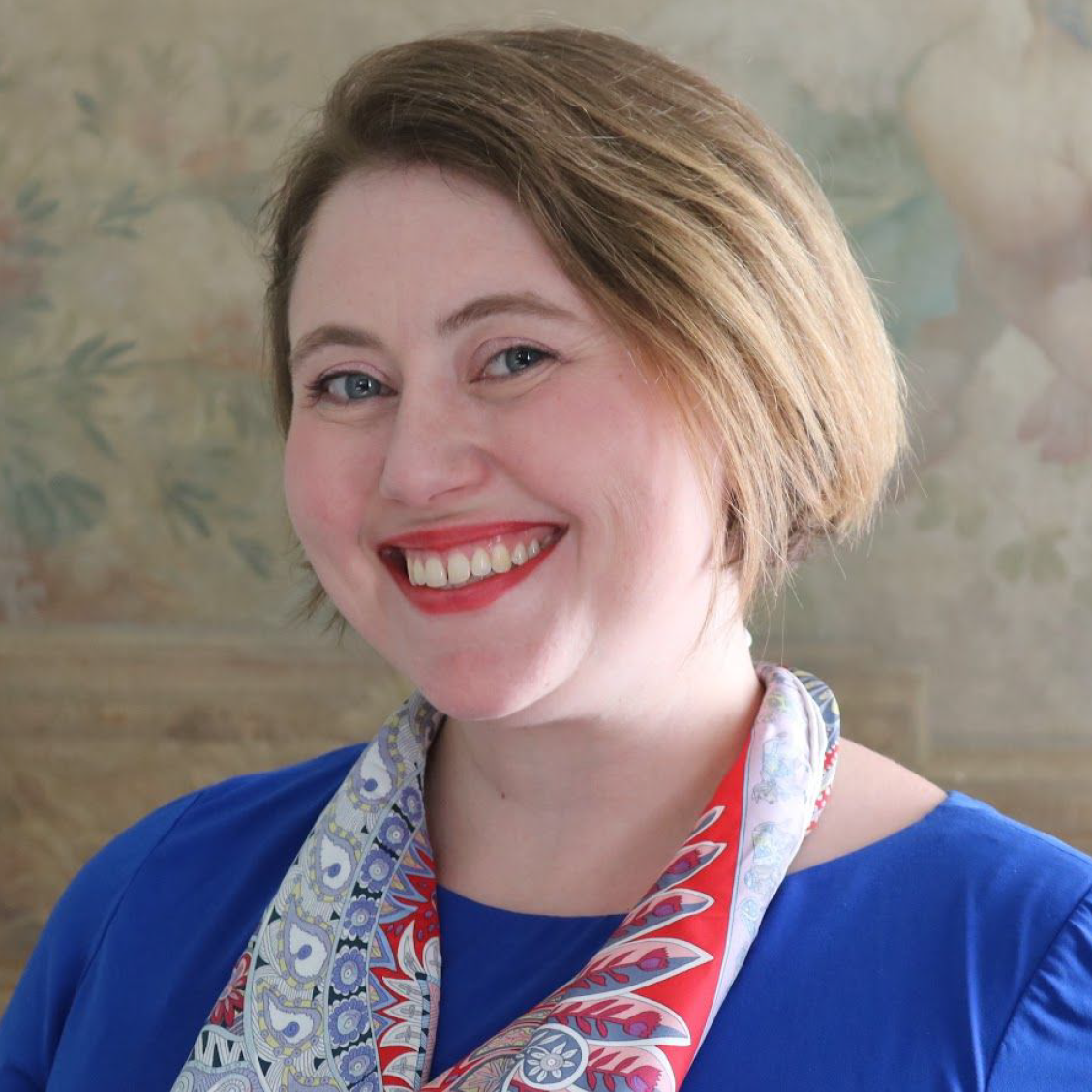
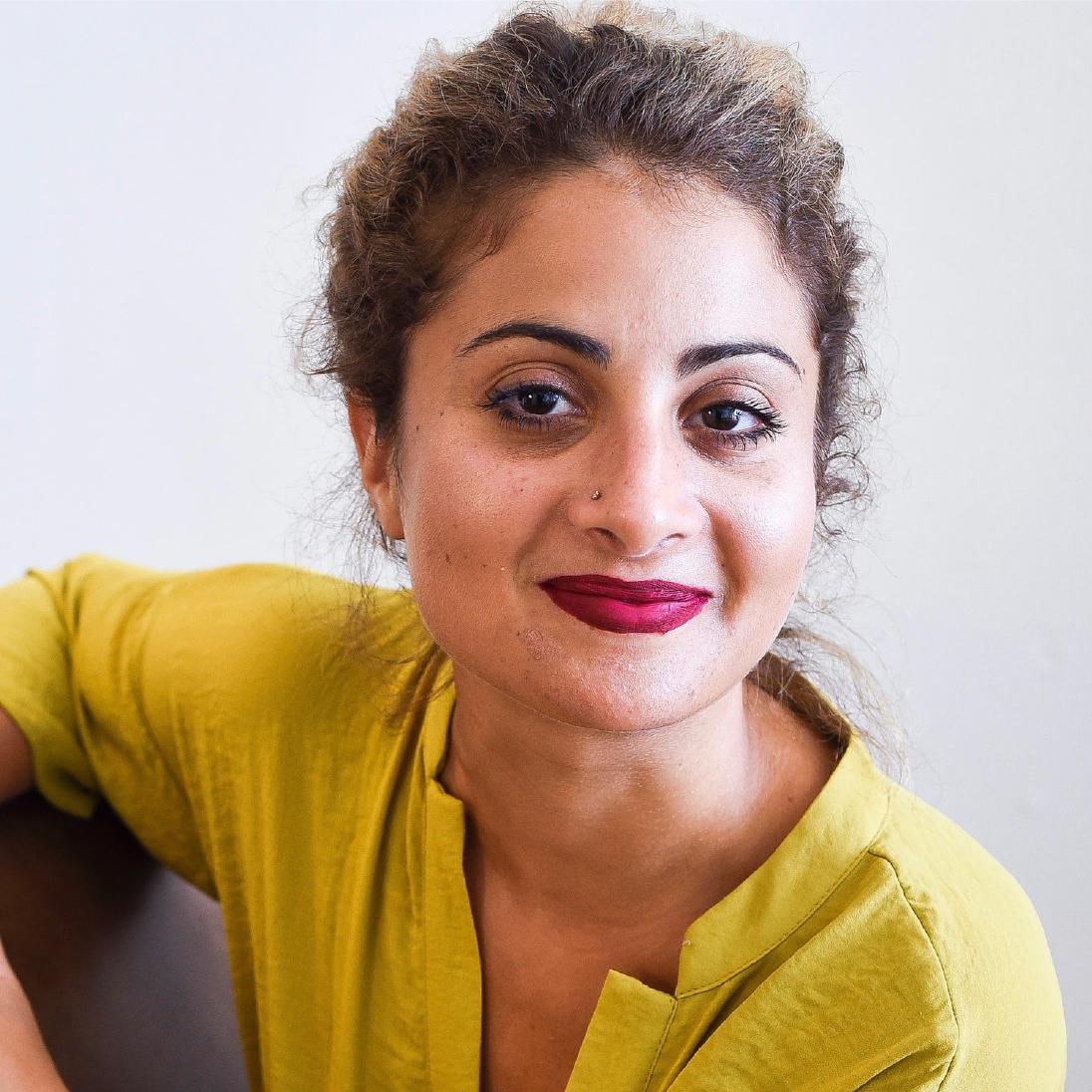
Sarah Stickney Murphy

Sarah Stickney Murphy

Sarah Stickney Murphy (she/her) is a queer nonprofit consultant and recovering opera singer. Sarah is the founder and principal of Stickney Murphy Consulting, LLC. She lives just outside of New Orleans, originally called Bulbancha, on land stolen from the Houma with her husband, three children, three cats, two turtles, and innumerable fish. Sarah loves to cook ridiculously elaborate meals and runs a small home-based food business where she makes her own cheese. She can be found on Instagram at @smurphycooks, on her website smurphynola.com, and via email at sarah@smurphynola.com.

“What are you again?” (Not your token Brown friend, that’s for sure!)

The necessity of authenticity in building personal and professional success

By Rachel D’Souza, Founder + Principal, Gladiator Consulting, Justice Philanthropy Catalyst, Forward Through Ferguson

I often found myself the only brown face in a sea of whiteness.

When I was about seven years old, I remember staring hard at my little brown face in the bathroom mirror of my family’s mid-century modern home.

My parents immigrated to the United States from India in the 1970s and chose to purchase their first home in a suburban municipality west of St. Louis, Missouri. To both the south and west of our subdivision were mostly white communities — to the north and east, mostly Black and immigrant Asian and Pacific Islander communities. If you’ve learned anything about St. Louis in the six years since Mike Brown’s murder, you are familiar with the deep segregation of our region and its toxic, implicit commitment to the Black-white binary.

So, I stared and stared, trying desperately to answer the question of where my brown face — the face of “otherness” — could feel belonging.

This feeling persisted, from grade school through high school, college, and my graduate program. I often found myself the only brown face in a sea of whiteness.

“What are you?”

“Where are you from?”

This reality of my internalized racism was okay — until the day it wasn’t.

These questions from white people littered many conversations. My responses often elicited more bewildered inquiries, as if my existence did not make sense. I learned how to handle and, ultimately, avoid causing white discomfort. I learned how to make them feel at ease — I learned to laugh with them at the absurdity of me not fitting within the Black-white binary, at the conundrum of being Brown and raised Catholic, at the ‘unconventional’ truth of my multicultural family, which included a Jamaican auntie, a French auntie, and lots of multiethnic cousins.

This reality of my internalized racism was okay — until the day it wasn’t.

Something’s not quite white

In my life, I had never been given permission to be who I am, and I never believed I could be professionally ‘successful’ if I tried.

In my life, I had never been given permission to be who I am, and I never believed I could be professionally ‘successful’ if I tried.

I started my fundraising career working for the affiliate of an internationally known nonprofit organization. The vast majority of our donors across every category were white and Christian, and they often responded favorably to my solicitations for support.

Without skipping a beat, I positioned myself close to whiteness and mastered the art of keeping my face frozen in a charming grin as they shared overtly racist stories and revelled in white saviorism. I would push down my own feelings of discomfort in order to celebrate getting a contribution to support our organization’s efforts. I believed this was what it felt like to love your job.

After giving birth to my son and surviving a rare postpartum complication, I decided it was time for a new job. In the heat of the summer, I stuffed my postpartum mama body into the only suit that fit and headed to an interview with the founder of a local education startup.

To my surprise, the organization’s founder was a Black woman dressed in sandals and a lightweight outfit that showed off her tattoos. Sections of her hair were a beautiful burnt orange and her braids fell to the middle of her back.

Looking back, I realize I was waiting for her to qualify her appearance with some justification.

And yet, she never did. She never apologized for being anything but her full self.

In my life, I had never been given permission to be who I am, and I never believed I could be professionally ‘successful’ if I tried.

I was aghast. Horrified.

I sat in my car for at least 20 minutes trying to make sense of this interaction.

And it started out as quite a relief when days, then weeks passed, and I didn’t receive the call for a second interview.

But then a burning curiosity found a home inside me — and relief turned to melancholy and melancholy turned to anxiety. Scarcity mindset began to flood my every thought. I wondered if I wasn’t the right “fit”; I wondered if I wasn’t “enough”.

As it turns out, the founder had just taken time off — a trip to her hometown with her children — and as soon as she came back to town, she called me. Both a second and a third interview followed, and I felt a confidence that was new and comfortable all at once. I was not “other” or less that. I was the fit. I was enough. I am enough. And I know I could be more.

When I was offered the job, I happily accepted it and began my journey of discovering how to be my true, authentic and full self at work and in life.

I started doing stuff like holding space for myself to talk about being married to a white man and being the proud mama of a multiethnic son. I began creating boundaries that respected my work time and my home time, and I gave myself permission to show up to work as a mama and at home as a badass development professional.

Pride in my motherhood made me better at my job, and pride in my work made me a better mama.

I also allowed myself to be vulnerable and uncomfortable as I explored how I internalized racism and sexism. I began participating fully in hard conversations. I experienced discomfort as I allowed myself to question the ‘hows’ and ‘whys’ of my professional journey. And I did my best to listen.

Down with Brown

I had no idea that I could excel in my job when I made a conscious decision to start dismantling the hold white supremacy culture had on my career.

I started taking my time with all donors and celebrating generosity of all sizes and shapes. I started allowing for vulnerability with prospects and built transformational relationships where giving felt as exhilarating as receiving. I started protecting space for the variety of my intersectional identities and maintained sole control over my boundaries.

I’m pretty sure I failed hard and often — but I had a boss who encouraged and accepted it and pushed me to level up from what failure taught me.

And I am successful. I AM SUCCESSFUL!

To show up as our authentic selves, we have to be willing to:

  • Embrace an abundance mindset
  • Build our risk tolerance
  • Lean boldly into our own discomfort and failures
  • Make space for critical friends
  • Acknowledge imposter syndrome as a symptom of racism and patriarchy

When I give myself permission to show up as my authentic self, I also grant permission for my colleagues and friends to show up as themselves. This has led to joyful and surprising connections that are so much more meaningful than staying small. These connections create opportunity for silo-busting, radical collaboration, and vision-level impact.

Saying, “What if?” is not a pipedream — it fertilizes the soil with conditions for equity and justice.

Our collective movement towards justice doesn’t always start with burning down systems — sometimes, we must start by turning our equity lens inward and modeling what we seek. When we choose to show up as our authentic selves — without flinching or shrinking — the justice we seek for the world finds its roots. But we cannot and must not stop there. We can turn into the sun, we can trim back and prune ourselves as necessary, and we can thrive.

My full, authentic self has built development departments and teams. She started a thriving business and has consulted with nearly 80 local nonprofits. She has been a part of raising tens of millions of dollars to support organizations focused on racial equity. Sometimes, she has tried and failed — and transformed that failure into resilience.

Since deciding to be fully authentic, she has never — not once — had to stare at her Brown face in the mirror and wonder where she belongs.

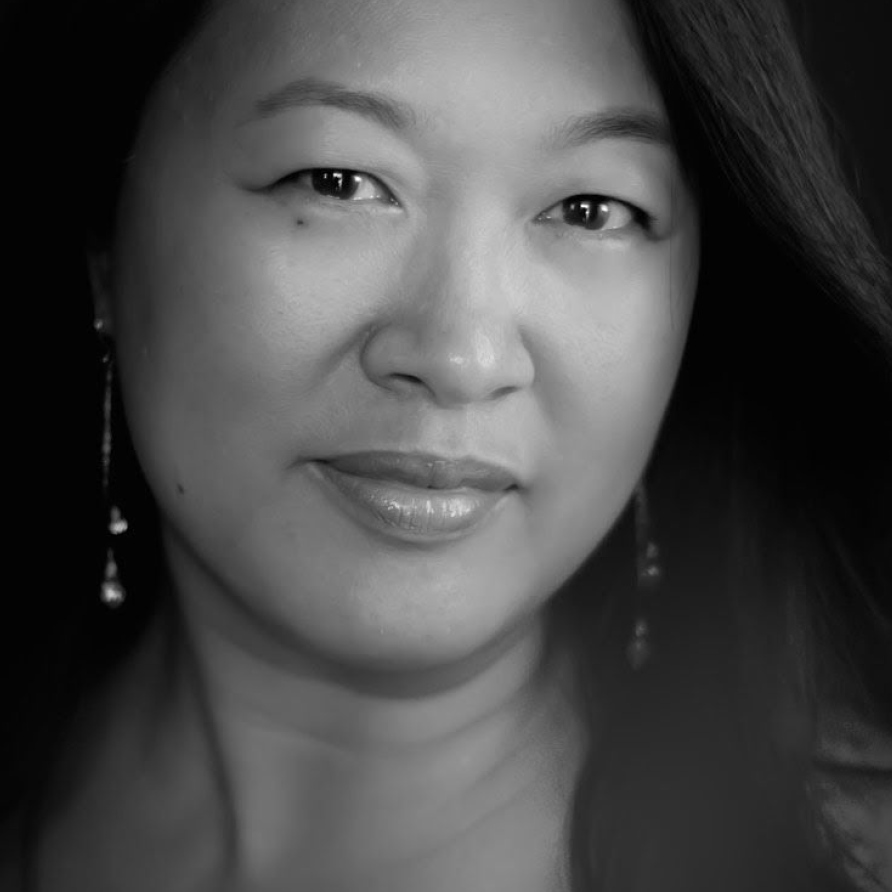
Rachel D'Souza

Rachel D'Souza

Rachel D’Souza (she/her) is the Founder+Principal of Gladiator Consulting in St. Louis, Missouri. Through Gladiator, Rachel has combined her knowledge of organizational culture and fund development with her deep personal commitment to centering community, seeking justice and creating belonging for those who have been disenfranchised or targeted by institutions, systems, and policy.

Born to parents who immigrated to the U.S. from India, Rachel has always been passionate about bridging differences and celebrating what’s possible when we collaborate from a mindset of abundance, learning, and risk-taking. Rachel loves cooking, snuggling her kids, and Instagram.

The Ethical Rainmaker: Heal yourself to transform society with Victoria Santos

By Michelle Shireen Muri, Freedom Conspiracy Principal and CCF co-chair

Episode Summary

“…as activists…we really need to undertake our own healing as a way of transforming society. If we try to transform society from the level of consciousness that’s still traumatized and it’s reactive, then we are recreating the same patterns that have oppressed us.” In this episode, Michelle talks with Victoria Santos, a deep healer, community organizer, and brilliant facilitator who shares her self-healing journey after trauma and burnout. Listen as she shares wisdom around what we need to release and practice to serve a better society. ​

Find episode notes and the podcast transcript here.

About the Ethical Rainmaker podcast

In the United States alone, philanthropy is a $427 million dollar industry, of which 68% comes from individual donors. Yet the practices, theories, and foundation of modern philanthropy and fundraising often ignore the ways in which the industry perpetuates harm.

The Ethical Rainmaker, hosted by Michelle Shireen Muri, is a podcast that hosts authentic conversations grappling with the questions that we don’t often ask in the nonprofit world. Join us as we explore some of the practices that undermine our missions and navigate the way forward with today’s resisters, reimaginers, and the re-creators of the third sector. It’s time to think differently.

Michelle Shireen Muri

Michelle Shireen Muri

Michelle Shireen Muri (she/her) is the co-chair for Community-Centric Fundraising and the host of the new podcast, The Ethical Rainmaker, launching July 29. She is the founder of Freedom Conspiracy, a small collective of fundraising consultants focused on bringing values-aligned practices to clients in the nonprofit and philanthropy spaces. She can be reached at @freedomconspiracy on Instagram.

Nonprofits can’t engage in political advocacy at all, you say? Wrong. We can and we must.

When Trump was elected in 2016, I was a director of development in New York City. The day after the election, as I sat on my couch at home in a shroud of depression, I sent a communique out to my organization’s full email list, calling for cohesion, mutual support, and compassionate attention to the Black, Brown, and immigrant youth that the organization worked to support. The students were afraid. Several texted me to ask if they were going to be deported.

A donor responded with, “What, are you political now?”

I responded, “Yes. This work has always been political.

While c3s cannot directly engage in partisan politics (and regardless of what tomorrow’s election brings), we must still engage in advocacy.

As a young development professional, I was stunned whenever I spoke with donors who were Republicans — I couldn’t understand that I entered a sector to work with youth of color and ended up in situations where I had to be polite to conservative wealth. (Don’t get me wrong, I know the Democrats aren’t much better in some ways. In New York, I preferred to vote for the Democratic candidate on the Working Families Party line).

The naïveté in my thinking at the time was the assumption that nonprofits were always justice spaces, which — sadly — they often are not. And it’s important to remember that they were designed this way. In the United States, 501(c)(3) status was enacted in response to a growing mega-wealthy class and the mobilization of community groups during the Civil Rights movement. The formal policies and restrictions that came with c3 status muzzled organizations and gave them a way to fundraise more effectively via tax breaks — a fundamental process of deradicalizing movements. Case in point: it is prohibited for c3s to take a stance on the impact of partisan injustice in our communities.

For over 10 years, I worked at direct service organizations that served young people. In that time, I was never called to attend town halls, get to know local representatives, or even better understand the roles and decisions of those who sat on school boards.

I just hustled, day in and day out, doing my best to support truly incredible educators of color help turn the tide for youth in the city. Those services were necessary and important, and sometimes life-saving.

But it wasn’t until my colleagues and students came together to fight a racist policy that I woke up to the role c3s must play in transforming — rather just responding to — conditions of society. Sometimes it means walking up to the blurry line of politics and systems change.

While c3s cannot directly engage in partisan politics (and regardless of what tomorrow’s election brings), we must still engage in advocacy. As we all reflect on our mission statements calling for thriving, equitable communities, nonprofits have an opportunity to hone in on the concrete changes we seek and engage in the systems change work that would actually achieve these missions. The collective power we could yield to move the needle toward making the direct services we provide no longer necessary should be tapped into and focused — and it is a power we should be striving to realize every day.

So what can we do?

Issue advocacy, including direct and grassroots lobbying

One of my former clients is a nonprofit engaging in administrative advocacy directly with local agencies to remove barriers to healthcare and housing access for the trans and gender nonconforming community. Some of this work is based on rulemaking processes, not just legislation, and has led to concrete wins, such as in 2019, when Washington state IDs finally included a non-binary “x” gender marker option, which can be added at no cost.

This win did not require passing or overturning legislation — but it did require advocating for a rule change with the Washington State Department of Licensing.

It goes to show that if we focus on the impact of issues, not the candidates in an electoral process, there is a wide range of powerful activities we can engage in.

Another major rule change this organization is working toward is with the Washington State Healthcare Authority to change which services are covered and not covered under the state’s Medicaid program. Many of the services on the “not covered services” list are medically necessary for the trans community. Eradicating this list altogether involves advocating for a rule change — an effort that would result in trans folks getting medically necessary treatments covered by their Medicaid insurance.

Another client has policy staff who sit on several local decision-making panels and mobilizes folks to get on the bus to Olympia to speak to lawmakers about housing issues. Recently, a major focus of housing advocates was the need for extending the timeline for eviction proceedings. Before 2020, there was a 3-day window from when folks received an eviction notice to when they had to vacate the premises (nuts, right?). There is now a 14-day window of time (still nuts, but an improvement that we keep fighting to expand).

The organization of a colleague of mine is encouraging their community to vote yes on Referendum 90 here in Washington, which would maintain a bill passed to require public schools to provide comprehensive sex education. Advocating to uphold this bill is considered grassroots lobbying, which is a totally legal activity for c3s to do in Washington. While there are limits to the amount of lobbying we can do, these limits are actually quite generous, and it is my experience that most direct service organizations never even lobby at all!

It goes to show that if we focus on the impact of issues, not the candidates in an electoral process, there is a wide range of powerful activities we can engage in. And while national politics gets the attention, local systems change work is often where the most meaningful changes can take place for our people.

Coalition-building and community-organizing

We must take a stance — there is no neutral, even and especially in fundraising.

While some organizations galvanize their community to educate policymakers directly, some are too afraid to even take a public stance on an issue that affects their communities. We must take a stance — there is no neutral, even and especially in fundraising.

Forming coalitions can position us more strongly to demand accountability from elected officials, policymakers, and funders. Coalitions leverage collective resources and power to move advocacy priorities forward, especially in the face of opposing forces working to uphold the status quo. Partnering with 501(c)(4)s can be an especially powerful combo for a specific legislative agenda with public education and engagement done by c3s and unlimited lobbying done by c4s.

Coalitions can also support systems change within sectors like the tech sector or the financial sector, both of which have notoriously toxic environments and extractive practices. Two of my clients are part of coalitions who work directly within these sectors to influence companies and financial services providers to change their operational policies that harm communities of color. Our coalitions can support systems change within a wide variety of contexts, but in all cases, they must have a clear, shared purpose.

White-led nonprofits can follow the leadership of community-led organizations, the latter of which have broad experience and long histories building community power, often with specific demands for local policy agendas and community oversight initiatives. Community leadership is essential in ensuring that the priorities of decision-makers — and the decision-makers themselves — reflect community lived experience.

Education

There is nothing prohibiting nonprofit organizations from educating and communicating about the policies that directly impact their communities. If we widen the lens of our storytelling from the issue at hand to include the policies that have led to the issue in the first place, we build comprehension, not just awareness. (An example is ensuring that the history of redlining is always part of any story about housing access.)

Speaking more openly and intentionally about the discriminatory policies that create the need for our services can shift the public narrative about certain issues that can, in turn, influence what gets prioritized by policymakers.

Know where the money comes from

Part of my work supports organizations in considering where funding is coming from. Sometimes, this means we turn money away. Other times, we accept funds with caveats.

Nonprofits are afraid of engaging in advocacy because our historically (and currently) white-led sector is afraid of alienating donors.

But if donors do not support systems change, they are not in service of this work, and they are not in community with us. Between 2016 and 2017, I had two donors, out of hundreds, who gave me a hard time for taking a stance.

Rather, when I sent that solidarity email, many donors actually reached out, thanking me for speaking truths. Do not underestimate donors. In fact, consider engaging them in these kinds of conversations directly.

Voter registration and education, including civics

Even though c3 nonprofits cannot openly take a partisan stance, we can advocate for policy changes that support our communities, hold elected officials accountable, and create connections that lay the foundation for a future of reciprocity and liberation. 

We can register, educate, and support people to vote and in understanding their rights. This includes providing tactical information like how to register and informing folks on relevant deadlines, where polling places are, and how they can fill out, mail, or drop off their ballots.

You can also educate your community around civics — how our government works, the roles that different positions have in government, the impact of the decisions that they make, and our rights as citizens (and non-citizens). We can even communicate the specifics of candidates’ platforms in an election (as long as you don’t show bias — I know, easier said than done (“This candidate doesn’t care whether you live or die! I mean…they are in favor of repealing the Affordable Care Act.”)).

A former client of mine facilitated a statewide leadership group for unhoused/formerly unhoused folks to community-organize and speak directly to policymakers. Leaders in this community held meetings in affordable housing complexes and shelters about the electoral process and the importance of having a voice in the issues that impact folks directly. Members of this group now sit on the organization’s board of directors, centering their knowledge and experience in governance and decision-making.

Even though c3 nonprofits cannot openly take a partisan stance, we can advocate for policy changes that support our communities, hold elected officials accountable, and create connections that lay the foundation for a future of reciprocity and liberation. We can — and must — help to shape a future without us.

Resources:

Nonprofit Vote’s Guide to Nonpartisan Voter Engagement

Alliance for Justice, Keeping Nonpartisan During Election Season

Bolder Advocacy, Coalition Checklist

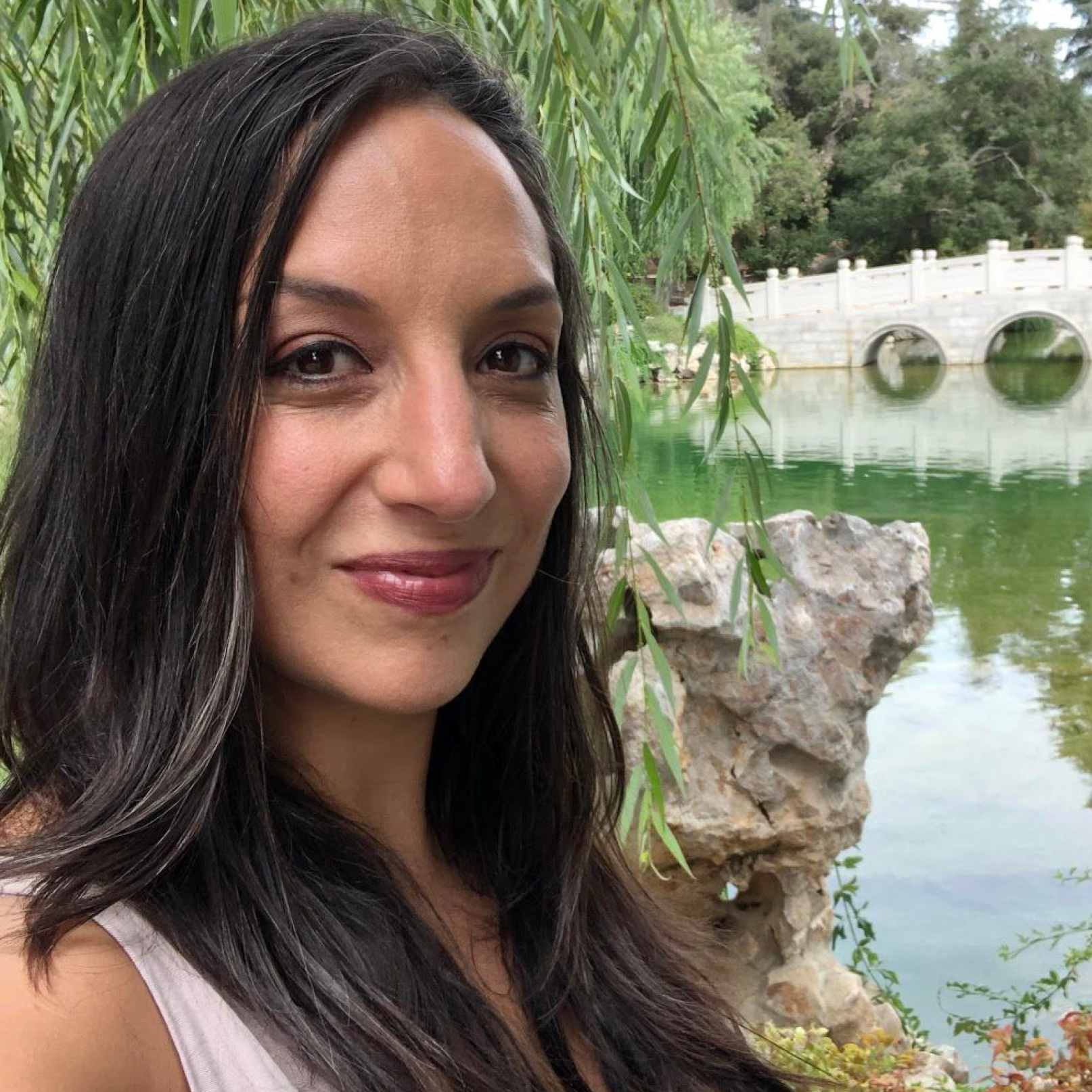
Cami Aurioles

Cami Aurioles

Cami Aurioles (she/her) is a fundraising consultant who owns her own consultancy. Her work is rooted in social justice. She is also a New Yorker based in Seattle and works with organizations across the country to build community-centered funding strategies as a way to build community power. More info about her work can be found on LinkedIn as well as with Freedom Conspiracy, a BIPOC collective of consultants working to bring values-aligned practices to the fundraising sector.

We’re breaking up: And it’s not me, Philanthropy — it’s you.

4 things I learned about Philanthropy from grant writing

By Kim Tso, grant writer

Hi, Philanthropy! You don’t recognize me, because you never see me, but I write a lot of the proposals you read. I don’t normally call attention to myself, but I’m here, and I need to tell you that I’m exhausted. In truth, I’ve been burnt out for years. While I find satisfaction in working for great causes, organizations, and communities, working with you wears me down bit by bit.

You see, I’ve been grant writing for some of the most amazing organizations for 20 years. I’ll probably keep going for several more, because despite your repeated attempts to minimize the amount of time nonprofits spend grant writing, somehow there is just always an abundance of work.

I want you to know some of the lessons I’ve learned working with you over the years in the hopes that my toils give you some insight on what applying for funds from your foundations is like — but from the 30,000 foot view. And because my clients are primarily social, racial, economic, or environmental justice groups, folx who work in philanthropy and who care about equity and justice might want to take particular note.

Here’s what my relationship with philanthropy has taught me:

1. ‘Enough’ — good enough, have enough, done enough — is not part of philanthropy’s vocabulary.

It feels as though our big-heartedness is being used against us so that you can chalk up an accomplishment that you funded but didn’t directly achieve. We can never be enough.

Our organizations will never raise “enough” money. As a values-based economist, I’ve learned that the philanthropic system is not designed to finance even a fraction of social services needed and deliver them through the private nonprofit sector.

Instead, the philanthropic system is designed to protect and maintain concentrations of wealth through the tax code. The minimum payouts foundations make are mere pennies of that wealth, and our nonprofits are desperate enough to pursue them. In fact, we are kept desperate.

It seems that foundations expect our organizations to consistently produce impressive numbers of people served, outcomes produced, and population level gains in order to get renewal grants or new funders. Yet, we aren’t allowed to present budgets that represent the true costs/value of our work for fear of looking like our administrative or fundraising costs are too high. You always want more from us.

It’s not surprising since our economic system is wired for greed, not sufficiency, and philanthropy is greedy for results at a discounted price. Even if our organizations meet one year’s fundraising goals, you will pressure us to grow, expand, and replicate our programs before you decide we aren’t doing enough and turn to fund the next hot “innovation.”

Then there is the guilt trip we get through writing our very own needs statements. The community need is always there, so we will feel morally compelled to meet it. It feels as though our big-heartedness is being used against us so that you can chalk up an accomplishment that you funded but didn’t directly achieve. We can never be enough.

2. It is exhausting educating every potential funding prospect on our issue and community. And if our perspective is different from yours in nearly any way, we are denied funding.

We need a more efficient way to match up organizations with like-missioned funders, because your decentralized structure depletes us of energy and resources.

When I coach my clients on building relationships with funders, I have to warn them of just how much time they will spend explaining their issues and experiences to funders — whether on the phone, in an email, or in a funding application. If you work on equity or justice issues, the explanations take time and a world view rather different from philanthropy’s. It’s a lot.

And when we are not explaining directly to program officers, we are providing them explanations they can use with their board members.

I teach my graduate students that the only real fit between funders and organizations is when their theories of change match. And for organizations with issues or constituencies not well represented in the foundation world, well, finding kindred souls is harder than you think.

Sometimes I find program officers that really get it, since many program officers used to lead nonprofits themselves — but then they change jobs — and then I have to start over. (With one client, we did this process with three different program officers over three years before we even got a grant).

Or sometimes, the hold up is really a foundation trustee, and that’s someone we never get an audience with. I’ve had a couple of occasions where we didn’t know that a foundation’s trustee had a corporate interest in the opposition side of our organizing campaigns and that they were blocking funding. Persuasion was never going to work in those cases.

It’s not about individual program officers, since they really don’t have a lot of power in this system. It’s about the philanthropic system as a whole. We need a more efficient way to match up organizations with like-missioned funders, because your decentralized structure depletes us of energy and resources.

3. Our organizations get typecast.

Because funders don’t get past the need to categorize, a lot of great work goes unsupported or even dies on the vine.

I have seen too many multi-issue, intersectional programs that are truly cool, effective, and innovative not get funded, because they can’t fit inside the funder’s box of predetermined issue areas.

I’ve worked with some groups that had fabulous community-driven solutions, but their funders (new and long-time fans) couldn’t get past however the funder defined the organization’s identity in the beginning.

An organization works on housing? Well, good luck getting that grant from an environmental funder for that climate-change-induced-migration/displacement prevention program since they are not “truly” an environmental group.

Most of our grassroots groups work at the intersection of many issues, but funders’ preoccupation of slotting us into funding categories has a tendency to disqualify us. It’s like a person of multiple heritages being asked, “What are you?” and then is expected to bear the onus of summing up themselves in a way that is recognizable to the funder, however inaccurate or inauthentic.

Because funders don’t get past the need to categorize, a lot of great work goes unsupported or even dies on the vine.

4. The revolution will not be funded, but our community organizing work is heavily reliant on grant funding.

I’ve seen a lot of funders say that they are committing to equity, giving grants towards social change, investing in diversity training, and spending time working on themselves. Cool. That’s great. Forgive me if I don’t hold my breath for that change to manifest.

The vast majority of my clients have been community organizing groups. All of them are 70-90% grant-funded.

That means that the on-the-ground work of social change is financed by a system that primarily gives one-year, project-based support instead of the multi-year general support grants that organizing campaigns need. Can you see how precarious our movements are?

Yes, it’s getting better among the funders already inclined to fund movement work, but as more foundations decide to commit to funding social change, we all need to see how year-to-year restricted funding as a way of financing social movements is detrimental to the cause. Philanthropy has an outsized amount of power over our budgets and the success of our efforts.

Philanthropy, you say you want social change? Then fund it like you mean it. Even foundations that don’t want to fund community organizing can still help more service-oriented organizations learn what advocacy work is allowable under the law (the wise lawyer folks at Bolder Advocacy can help you with that). Learn to fund advocacy and support your grantees when they do it. We can do it up to a limit. Help us learn where that limit is and allow us to go right up to it.

I’ve seen a lot of funders say that they are committing to equity, giving grants towards social change, investing in diversity training, and spending time working on themselves. Cool. That’s great. Forgive me if I don’t hold my breath for that change to manifest. I can’t tell if we are in a honeymoon period or on the cusp of radical transformation. I’m tired and weary, both from 2020 and 20 years of doing this work for you.

But if you really are going to change, please do it before I say I’ve had enough.

Kimberly Tso

Kimberly Tso

Kimberly Tso (she/her) is a Los Angeles-based freelance grantwriter under the name Velocity Ink, LLC. When she is not writing grant proposals, she can be found dabbling in art projects and playing Animal Crossing. You can follow her (mostly) art Instagram account or visit her 5-star Animal Crossing island at DA-7668-1086-4906. Besides those, she doesn’t really have social media accounts for you to follow and is super-okay with that.