By M. F. Espinoza, a trans nonbinary Black (ADOS), American Indigenous (Blackfeet, Chickasaw, Wixárika) person; Carlos García León, Latine, a mover and shaker (on the dancefloor), an anti-capitalist, a joy seeker, a nap advocate, and a 24/7 LGBTQutie; Mikail Khan, medical worker and student; Fioletowa Ksenyak, queer, nonbinary, neurodivergent disruptor striving to create a better reality; Parker McMullen Bushman, a nationally recognized environmental justice leader working at the intersection of conservation, community empowerment, and systems change; Chris Talbot, a trans masc nonbinary queer who is both perpetually picking up proverbial bricks to throw and seeking whimsy
What does allyship and accompliceship look like in the year 2026 when the queer community is under fire? That’s the question we posed to a half dozen queer folks in our community. And these incredible individuals provided answers: things we can do on an individual, personal level, things we can do on an organizational level, and things we need to stop doing immediately. In their own words:
Queer allyship in the year 2026
By: Carlos García León, Latine, a mover and shaker (on the dancefloor), an anti-capitalist, a joy seeker, a nap advocate, and a 24/7 LGBTQutie
One has to take the moments of joy, on the dance floor or elsewhere, as energy to continue fighting for equity and liberation. Move your body to music and then move your body to help the rest of the queer communities who are experiencing joylessness.
During Pride Month (and most of the year honestly), I have this little motto that gets me by: “be queer, do crime, eat the rich, take a nap.” The order is not important, as long as you do all of them. Bonus points if you live in a country where being queer is the crime. Wooh! Big fan of queerness still being criminalized in the year of Madonna’s resurgence.
One tip for allyship this year is, of course, listening to queer music. From the divas Kylie Minogue, Ariana Grande, Chappell Roan, Lady Gaga, Donna Summer, and so on.
There is much discourse about whether a queer icon has to be queer, and while it certainly would be good for them to be of the community, a lesson that one could learn from those who are not is how outspoken they are about their queer fan base.
This brings us to a big allyship tip: Use your privilege to speak up for the queer community, especially queer and trans women of color. Why? Well because queer and trans women of color are the bedrock of the queer liberation movement! (Bonus tip: listen to queer artists, too!)
Allyship and following the motto of “being queer” may feel confusing, but I am reminded of bell hooks quote: “Queer’ not as being about who you’re having sex with (that can be a dimension of it); but ‘queer’ as being about the self that is at odds with everything around it and that has to invent and create and find a place to speak and to thrive and to live.”
Or another way of saying it is that being queer and being straight are not mutually exclusive. Who you are attracted to and how you behave do not have to be related to each other, and this also is a note for those in the LGBTQ+ community who are also anti-trans and anti-drag (looking at you LGB folks!).
Recently, I was hanging out at my local bar’s trivia night where I’ve made good friends with some hetero men. One of them asked me, in sincerity, “hey Carlos, is sticking out your tongue in hibachi gay?” To which I replied, “my golly goodness, let me hold your hand when I tell you this, but being straight is a prison of your own making.” To answer the question to you, dear reader, is that no, sticking out your tongue in hibachi is not gay. To further expand, anal sex isn’t gay either. Stop letting the fear of being gay or even being perceived as gay stop you from finding and experiencing joy.
This leads me to my last point. I’ve been going out to dance more. It brings me a lot of joy and I have found community through it. This isn’t new for queer folks to experience. The dance floors have been one of the few remaining spaces where queer folks are able to express themselves as authentically as possible, with no judgment, just vibes and music. This is why queer folks are noted to have begun and uplifted whole genres of music from disco, to house, to techno, etc. Finding and expressing joy are forms of resistance, for sure, especially if the rest of the world wants queer folks to be sad and overwhelmed.
However, it cannot be your only form of resistance. One has to take the moments of joy, on the dance floor or elsewhere, as energy to continue fighting for equity and liberation. Move your body to music and then move your body to help the rest of the queer communities who are experiencing joylessness.
Okay, I lied, last allyship note: tip your queer writers here. The ongoing joke around this month is, “if you don’t do x, you are homophobic.” So to take from what is there. If you don’t read this article, share with your network, and tip us, the writers, you are homophobic. And do you really want to be homophobic during pride month?!
Now go be queer, do some crime, eat the rich, and don’t you ever forget to take a nap.
Call me M.
By: M. F. Espinoza (they/M.) is a trans nonbinary Black (ADOS), American Indigenous (Blackfeet, Chickasaw, Wixárika) person
I’m asking that when you are gifted the meeting of someone whose name, pronoun, or identity doesn’t fit the mold you expected, can you resist the impulse to resolve it?
Contributor’s Note: I have chosen to lower case all beginning sentences, except in the instance that they begin with the letter “I” or my chosen name to emphasize myself and elevate my presence in this piece as a form of trans visibility and resistance. The essay that follows may resonate with some of my trans community and, still, is intended to be a reflection of my own understanding as a trans nonbinary Black (ADOS), American Indigenous (Blackfeet, Chickasaw, Wixárika) person raised mostly in the so-called American South.
i. what “I” carry
my given first name is Maariyah. that’s what my moma gave me. that’s what I grew up recognizing was all mine.
I chose not to dead my given first name in my personal life. I like the sound of it the way ma moma’s family chooses to pronounce it — like Mount Moriah. my given name is a testament to what can come of a nuanced perspective. and I can appreciate that now. you may have pronounced it differently than “M.”
M. — the 13th letter of the latin alphabet. derived from the early alphabetic symbol for moving water. M. was given to me from many places. I chose that as my name in 2022. and the why of that choice has pursued me ever since. others have taught me that a single letter often does not prove enough to stand on its own when postured as a person.
I often decline to respond when someone asks me what “M.” stands for. it’s not because I don’t want them to know my full name. it’s because I want to affirm for myself that M. is enough, period.
*
this personal essay is my choosing to share a piece of my why — to tell a story of trans liberation, and to speak directly to my cisgendear cousins and sibs who want to show up as allies but may not yet understand what that asking looks like in practice.
*
though I was ultimately assigned female at birth (AFAB), my mother and father were under the impression that I would emerge from the womb as male up until the very moment of my birth. apparently, there had been issues with sonogram technology at the time (it was the early 90’s). I think of that story often when I consider my own delayed journey to embracing my comfort in identifying as nonbinary. just like my parents were working with incomplete imaging technology, I spent years working with incomplete linguistic technology. I didn’t have the language to express “I don’t feel like a girl, but I’m definitely not a boy.”
ii. what I’m asking “you” to carry with me
fast forward to my life now: as a 30-something working in nonprofit advocacy, I still find myself struggling to affirm my identity within trans community. one of the first things I want my cisgendear allies to understand: nonbinary and transgender are related, but not necessarily interchangeable terms. not all nonbinary people identify as transgender. many transgender people, conversely, identify within the binary as either man or woman. some people do express that they identify as both nonbinary and transgender, including myself. I name this because I’ve found that cisgendear allies and even folx within queer community often collapse these terms into one with the best of intentions, and in doing so can unintentionally erase the specificity of someone’s identity. knowing the distinction isn’t about getting it perfect. it’s about staying curious and allowing the person in front of you to define their own terms when they have the language to do so.
so how do I affirm my trans nonbinary identity in my daily working life? I’m still figuring out what feels good to me, day by day. I gently remind myself that I spent 29 years of my life searching for trans liberation. searching without any external mirrors or language to help me understand that’s what I was actually yearning for. still, one place I can start is how I teach others to see me.
when I began introducing myself as simply “M.” in the workplace four years ago, I had no idea that it would stick. I figured, I’ll need some more letters in there, some more syllables for it to be a real name! and as time went on, sure enough, the questions from others upon my introduction arose: “Just M.?”… “What’s M. short for?” though I confidently maintain that I will not dead my first given name, something in me didn’t want to reveal what “M.” was short for because it wasn’t short for anything.
M. is a perspective of me. so for the most part I didn’t share what M. was short for, I just responded “It’s short for M.” and conversation went on to something else. over time, as my confidence grew, my workplace pronouns ebbed and flowed, from (she/they/love), to (they/she), to a poetic (they/M.) — my favorite by far.
Going by M. is the loudest and freest part of my trans liberation that I share in any space, and at work, it helps me to gently push people to ask themselves (if they ask me), “Why do you need M. to stand for something more?”
what I’m asking of my cisgendear allies is simpler than it may feel at this moment. I’m asking that when you are gifted the meeting of someone whose name, pronoun, or identity doesn’t fit the mold you expected, can you resist the impulse to resolve it? can you sit with the unfamiliarity? can you let it be enough?
that discomfort you might feel is not a problem to fix. It is, in fact, the very start of liberation for both of us.
Breaking the rule to serve ‘Those Most Impacted’
By: Mikail Khan, medical worker and student
Trans folks have nowhere to escape, so allies need to decide if they are willing to break a few rules for a future worth living in.
The last time I wrote a piece for CCF was in 2023 about how liberation has been repackaged and resold within contemporary LGBTQ and allied nonprofit organizations. Unfortunately, nothing has substantially changed, and the same LGBTQ organizations have kept growing in size, influence, visibility, infrastructure, audience buy-in, and symbolic power. The very causes that had centered trans people and had initially built these organizations from the ground up are being used as moral identity markers to justify the institutions’ existence with little intent to fight for the conditions they have sought out to implement—food security, housing, accessible medical and mental health care, land return, and the expansion of our civil rights.
The escalation of the global trans crisis has also allowed LGBTQ nonprofits’ marketing and fundraising tactics to become equally relentless. If one takes a hard look at a decade’s worth of e-newsletters, the underlying request is for some type of financial support to ‘address the urgent issues LGBTQ communities are facing’ and to ‘put the most impacted communities at the forefront.’
Mainstream (and emerging) LGBTQ-serving organizations are expanding in size as trans livability has increasingly gotten harder; rather, they are getting rebranded to evade accountability to their constituents.
While people’s livelihoods are dependent on their nonprofit salaries, most organizations have resigned themselves to funder-driven strategies and program metrics to keep things as they are and to settle for incremental changes. Priorities have shifted toward reinventing the wheel instead of building the necessary and dangerous alliances needed to curb fascism. It’s become regular to say, ‘Everything is really fucked up!’ as our eyes scour the endless news, but are we willing to risk our daily comforts and overturn the social order?
This Pride month, it has become even more important for allies to acknowledge whether they are working toward their organization’s preservation or for the unconditional freedoms of trans and queer communities. It’s not enough to go about with business as usual and collaborate with the state while marginalized communities’ social contracts are being eviscerated.
If you are a nonprofit queer, who does not want to lose their organizational funders as a result of revolting against the state, just say that. If you simply do not care about trans people’s rights, just say that. But if you think it’s impossible to irrevocably secure trans people’s rights worldwide, then you are mistaken.
People, let alone nonprofits, rarely do the right thing because it’s the right thing. They usually follow a rule backed by authority, or they break it if they feel compelled to do so. There is now plenty of authority encouraging hostility and death for trans people. Trans folks have nowhere to escape, so allies need to decide if they are willing to break a few rules for a future worth living in.
What’s going on with Pride in 2026: Rainbow washing, pinkwashing, and accountability
By: Them’s Wild, Parker McMullen Bushman, Fioletowa Ksenyak, and Chris Talbot
In this episode, nonbinary bestie baddies Parker McMullen Bushman, Fiolet Ksenyak, and Chris Talbot discuss what’s going on with Pride in 2026 including an honest reflection on rainbow washing and pinkwashing happening in Denver and beyond, and the accountability and repair that’s desperately needed from The Center on Colfax, the organizers of Denver Pride.
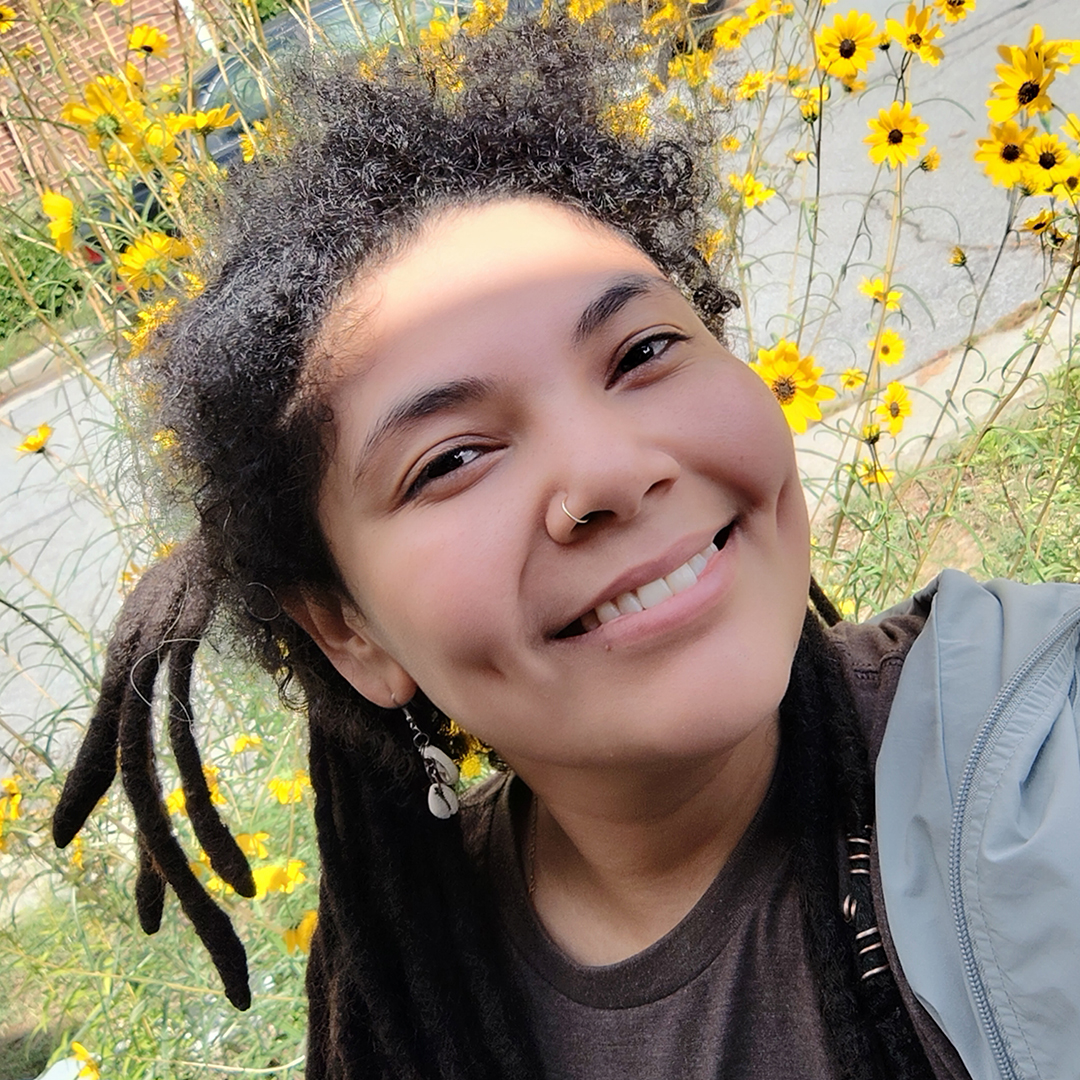
M. F. Espinoza
M. F. Espinoza (they/M.) is a trans nonbinary Black (ADOS), American Indigenous (Blackfeet, Chickasaw, Wixárika) person born on the ancestral and unceded homelands of the Great Tongva People of the west, raised mostly in the so-called American South. They enjoy spending their time reading big books, cross stitching, biking, and traveling. If you’re interested in finding more written content by M., find them on Medium @healianthusfarms. Gratitude gifts are welcome! CashApp: $mlikemillions

Carlos García León
Carlos García León (he/they; el/elle) is a queer, non-binary, Latine, Mexican-Statesian, and cute little revolutionist. They were born in Atlixco, Puebla, Mexico, and reside in the stolen land of the Peoria, Potawatomi, Kickapoo, and Kaskaskia tribes, also known as Chicago, Illinois. Their work is driven by a fight for cultural equity, decolonizing the arts, and social justice. As such, Carlos describes themselves as an anti-capitalist, community-centric, theoretical fundraiser.
Carlos has spoken at multiple conferences introducing the concept of Community-Centric Fundraising and building a more gender-inclusive workplace to hundreds of attendees. Carlos holds a B.M. in Bassoon Performance from the University of Illinois at Urbana-Champaign, and a M.A. in Arts Administration and an MBA from the University of Cincinnati. They enjoy their leisure time by hanging with friends, resisting capitalism by taking naps, dancing to Latin, disco, and house music, and exploring new Chicago food spots. They can be reached via email or on Instagram, Twitter, and other social media platforms @cgarcia_leon. You can tip them for their work via Venmo @cgarcia_leon or via PayPal using their email. Carlos would be eternally grateful for any tips as they are experiencing unemployment for the third time in two years.
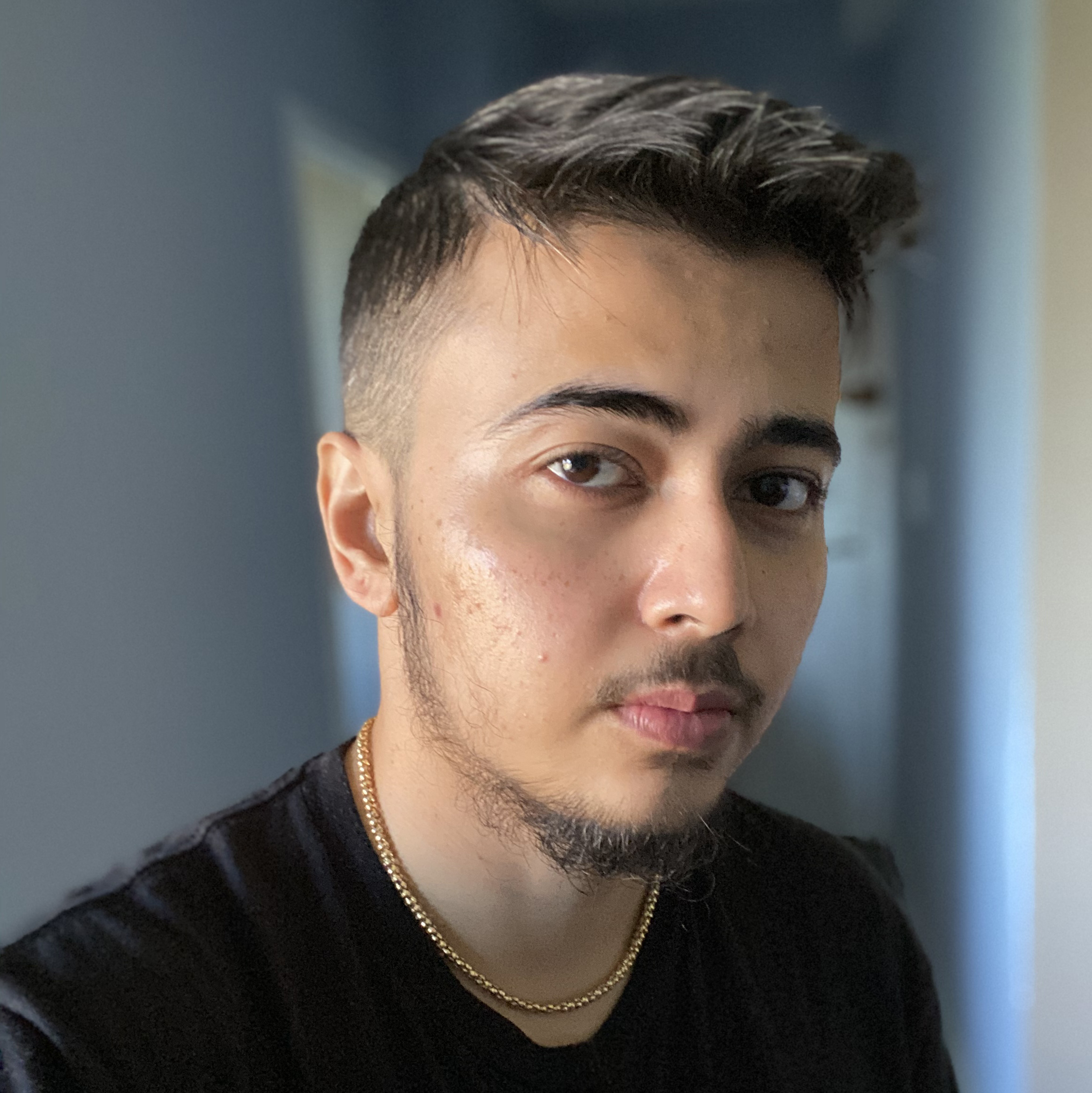
Mikail Rahman Khan
Mikail Rahman (he/they) can be reached at mikailrahmankhan.blog and most of their articles can be found on https://linktr.ee/mikailkhan. If you want to support some of his behind-the-scenes work, please contact them through their website.
Them’s Wild
Them’s Wild is recorded on the ancestral and traditional lands of the Hinóno’éi-no’ (Arapaho), Tsétséhéståhese (Cheyenne), Núu-agha-tʉvʉ-pʉ̱ (Ute), and the Očhéthi Šakówiŋ (Seven Council Fires) peoples. In offering this land acknowledgment, we acknowledge the state-sanctioned acts of genocide against the original inhabitants of this area and the challenges Indigenous communities face today as a result of colonization. We affirm Indigenous sovereignty, history, knowledge, and experiences. And we pledge to support the Land Back movement and reparations in any way that we can until such time that the land is ceded to its rightful stewards. The co-hosts of Them’s Wild are:
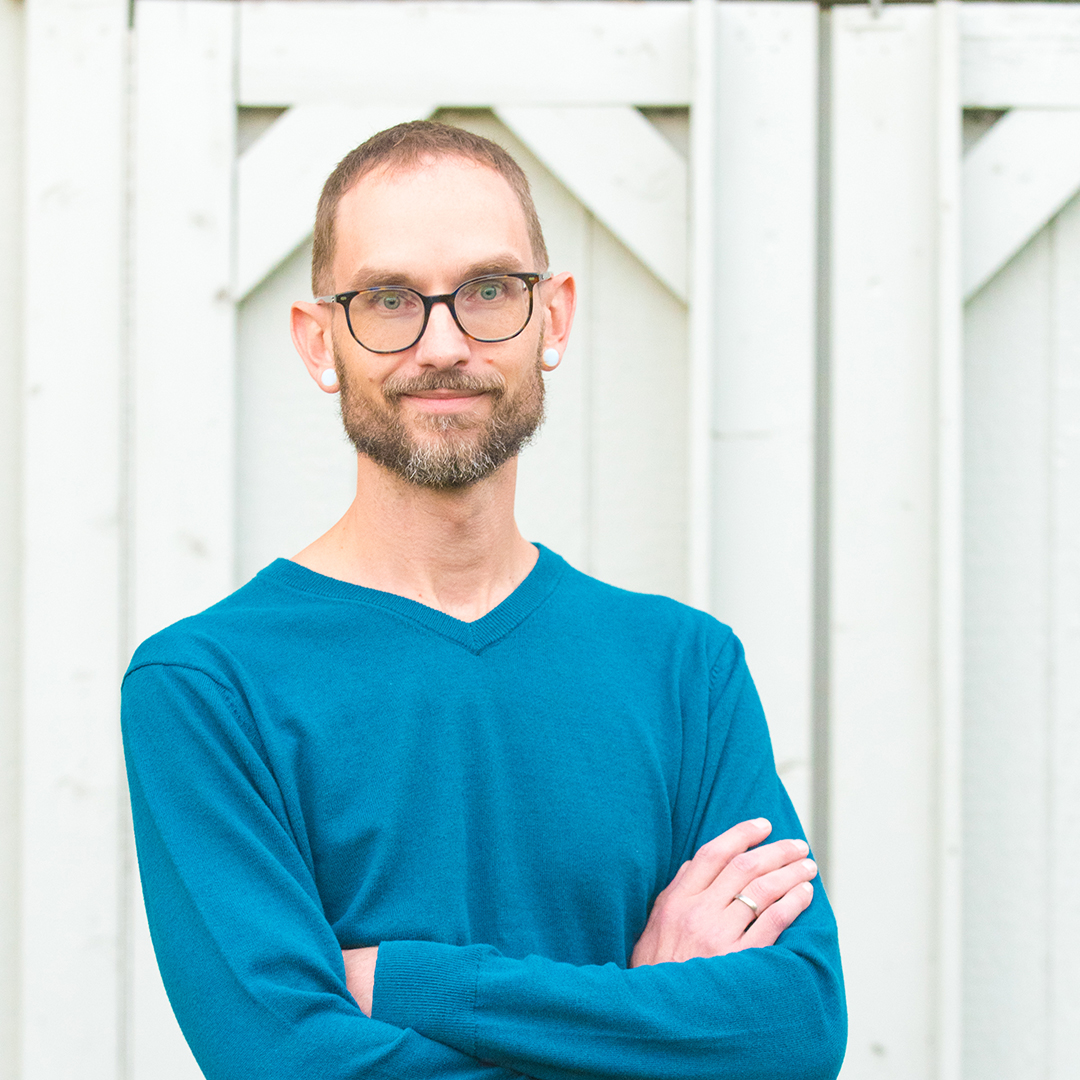
Fioletowa Ksenyak
Fioletowa Ksenyak (they/them) is a queer nonbinary neurodivergent disruptor striving to create a better reality so everyone and every body can feel a sense of belonging and thrive at work, in the outdoors, all ways. Their mission is to influence progressive and systemic change through a human resources practice guided by justice, equity, diversity, inclusion, and accessibility (JEDIA), that centers antiracism as foundational to this work. Their approach focuses on intersectionality, authentic relationship building, and unlearning to enable growth. Fiolet’s HR career spans 20 years, prior to consulting, working in the areas of environmental restoration and stewardship, youth leadership and conservation, international development/water, sanitation and hygiene, and outdoor recreation and environmental education. Previously, they were a newspaper reporter and a copy editor. They are bilingual in Spanish and certified as a Senior Professional in Human Resources (SPHR). The journey continues one day at a time.
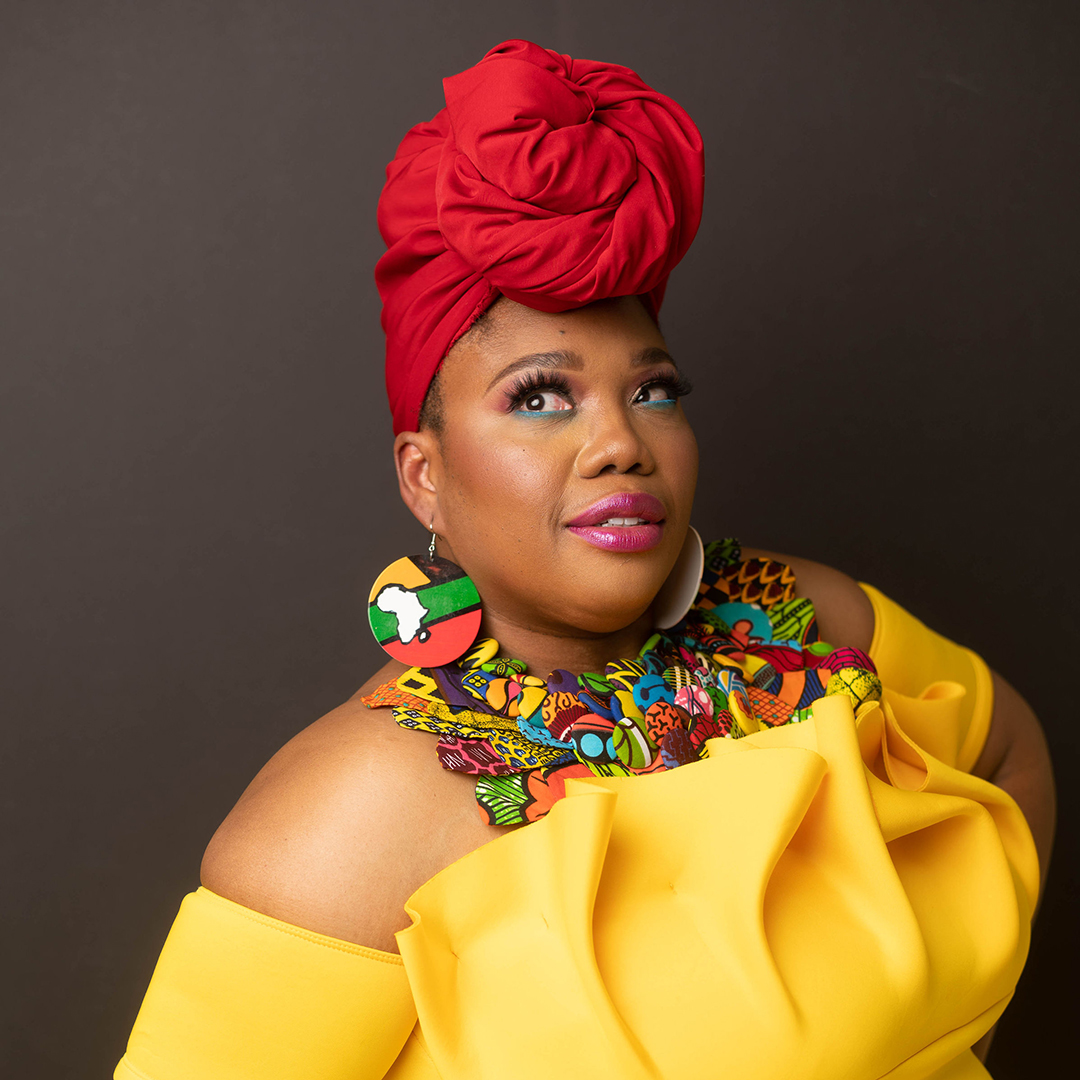
Parker McMullen Bushman
Parker McMullen Bushman (they/she) is a nationally recognized environmental justice leader working at the intersection of conservation, community empowerment, and systems change. They currently serve as the Executive Director of BWEEMS (Black Women in Ecology, Evolution, and Marine Science), where they lead efforts to build community, advance research equity, and support the professional development and leadership of Black women across ecological and environmental sciences.
In addition to their role at BWEEMS, Parker is the CEO and Founder of Ecoinclusive Strategies and the Founder of the Summit for Action, a national gathering focused on advancing equity and justice in conservation and outdoor recreation. Through these platforms, Parker partners with organizations, agencies, and communities to transform environmental institutions, helping them build cultures rooted in inclusion, justice, and accountability.
Recognized by Outside Magazine in 2022 as one of the 20 Most Influential People in the Outdoor Industry, Parker is a dynamic speaker, educator, and facilitator known for igniting meaningful conversations about equity, belonging, and institutional change.
Parker’s work is grounded in a lifelong commitment to environmental justice. Growing up in communities where access to clean air, green spaces, and environmental opportunity was unevenly distributed, they witnessed firsthand how environmental harms disproportionately impact marginalized communities. These experiences shaped Parker’s dedication to addressing the structural inequities embedded within conservation and environmental fields.
Across their work, Parker advocates for a vision of conservation that centers people as much as landscapes. Through leadership at BWEEMS and their broader ecosystem of work, they support emerging scientists, build networks of collective power, and help institutions rethink how environmental work is done—ensuring that solutions to the climate and biodiversity crises are inclusive, community-driven, and grounded in justice.
Through speaking, training, coalition-building, and movement leadership, Parker continues to push the environmental field toward a more equitable future—one where the leadership, knowledge, and lived experiences of historically excluded communities are not only welcomed but essential.
Profile picture courtesy of The Female Shoota
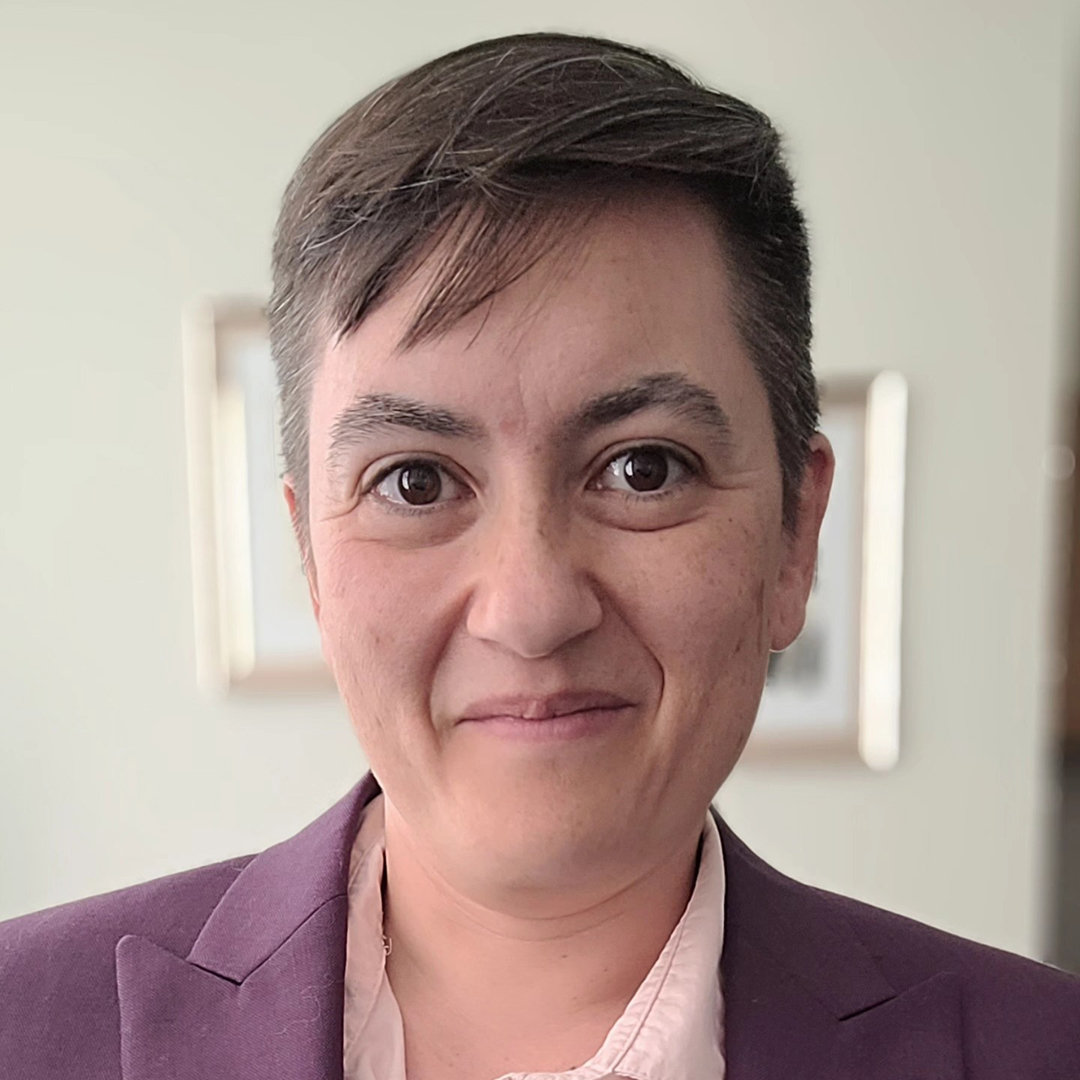
Chris Talbot
Chris Talbot (they/them) is a queer, trans nonbinary, mixed-race artist, activist, and nonprofit employee. When they aren’t working the day job, they spend their free time editing art and literature magazines, writing and illustrating educomics to help folks affirm their nonbinary pals, creating a graphic novel to describe what it’s like to be nonbinary in a gender binary world, cuddling their cat, and quad skating in the park. Purchase their debut book, Why Must the White Cis Nonprofit Workers Angry React to All My Posts? A compilation of essays, posts, and thoughts by a queer, trans, mixed-race professional surviving predominantly white cisgender heterosexual institutions.
You can find Chris at mxchristalbot.com, on LinkedIn, Instagram, Bluesky, and Twitter — and tip them on Venmo or PayPal or join as a patron on their Patreon.
Discover more from CCF
Subscribe to get the latest posts sent to your email.