
By Ysabel Lee, Development Communications Practitioner
But here’s what no one tells you: navigating the technical side of the job is just one part of it. The harder part is managing the invisible expectations that come with being a person of color working in development, often under white, Western leadership.
Back in university, working for an international organisation seemed far-fetched. As a student, I would spend hours pouring over the campaigns of UN FAO, the International Rice Research Institute, among others. Many of my classes also reference these organisations on how to execute communication campaigns effectively. I imagined the people behind the posts honing their craft until they could create with their eyes closed—until I got to the industry myself.
There’s so much more to being in the international research community than crafting clever messages. It’s about making research usable for the community, managing media inquiries about controversial findings, promoting breakthroughs on social media, and showing donors and funders that their investments are making a difference. As development-focused communication professionals, much of our work is used to show donors and funders where their investment goes, and at the same time, show potential new partners how research is relevant to their priority areas.
But here’s what no one tells you: navigating the technical side of the job is just one part of it. The harder part is managing the invisible expectations that come with being a person of color working in development, often under white, Western leadership.
No one prepares you to deal with difficulties related to cultural and language differences. There is no guidebook for navigating barriers when dealing with white colleagues working in global development spaces.
Taking good care of audiences and stakeholders
The starting point of any strategic communication plan is asking, “who is this for?” We take understanding our stakeholders, users, and audiences seriously to ensure optimal achievement of our goals. When I was working at an international research organisation for agriculture, this was the first question I needed to find answers for. “Farmers in Asia” is already too broad an audience, and I’ve struggled with this because we do not have a unifying language across the region. In Southeast Asia alone, almost no countries share a single language outside of English.
I sometimes found myself being the only Asian person in the room whenever I consulted research teams about their communication goals. I felt immense pressure to advocate for local stakeholders correctly. But how can one Filipina be knowledgeable of the communications needs of Vietnamese farmers?
I had to be mindful of the responsibility to keep the integrity of science intact, and meet the expectations and goals of the research organisation. While there are similarities in contexts like access to communication resources, communication styles and approaches can vary. I turned to our national scientists, researchers, and colleagues often for advice. This was particularly helpful to understand the big picture of how we can transform a research output to something more tangible and useful for smallholder farming communities.
I’m afraid I do not hold all the answers to “the how” of doing regional agriculture communications, as there is not a one-size-fits-all approach. I found my community of local experts to be the greatest asset when it comes to validating assumptions and correcting set directions that often come from (a well-meaning, but) a white and Western perspective.
“When do you need it?” “Yesterday.”
Getting the job offer to work in international research feels great; it feels like all the hard work paid off, because somehow, you’re now the person you have been working towards.
I don’t know if this is a shared experience, but I found finding my voice as a newbie to the space an intimidating experience. I wanted to learn, do well, and meet the expectations of why I was hired in the first place.
Another dimension to navigate in international organisations includes establishing relationships with Western colleagues, who culturally you often feel eager to please as a person of color.
When you’re a newly minted professional and eager to prove yourself, it is easy to just say “yes” and figure things out as you go. But this is a slippery slope. And for many of us who are BIPOC, we tend to say “yes” to white authority figures, especially when it’s the first time we’re encountering them in a professional sense—but it is important to remember: you are in control here. You’re leading communications work in parallel to the research.
It took me years to find my voice and advocate for what worked. The reality is, we have a better understanding of the landscape in the areas where we work and know the voice that resonates with local community members.
This is where getting the nuance from knowing our communities becomes an invaluable insight, which feels especially important when you’re applying what you learned from other BIPOC colleagues.
Finding the sweet spot in managing differences
Recognizing cultural differences with intention is central to the success of international development. Understanding that colleagues—whether they are BIPOC or white folk—come with perspectives shaped by their education, experiences, and geography is foundational to trust building. This intentional relationship building assures that you have and understand your shared goals and helps you determine your next steps.
This is especially true when pushing back on strategies that simply won’t work in a specific region. Across countries, media landscapes differ, and resource availability can restrict campaigns from reaching the intended stakeholders. It gets trickier when you also have to meet global communications objectives often set in balance with Western colleagues, who may have the same background but do not operate in the same context as you. In my experience, balancing the need to publish content following a set global KPI may be hard to track because of how significantly more challenging it is to get content from the field in Asia. With farms not accessible by vehicles, I have trekked mountains, crossed rice paddies, and ridden boats to get to stakeholders.
In this case, the set global KPI did not have enough context of the on-the-ground conditions, and did not balance the need to churn a specific number of communication outputs with that reality.
I only learned this a few years into the role: stick with what you know and know that you have something to contribute.
Working with a diverse organisation led by mostly white and Western folk will make your understanding of local development shine; it is where your power as a communications professional is rooted. They might have the know-how and know-what of science, but you know how to turn the technical language of science into something that matters for the people that it’s meant to serve.
And at the end of the day, our job is to make research relevant—to collaborators, to funders, and to communities. And when we do it together and well, everyone wins.
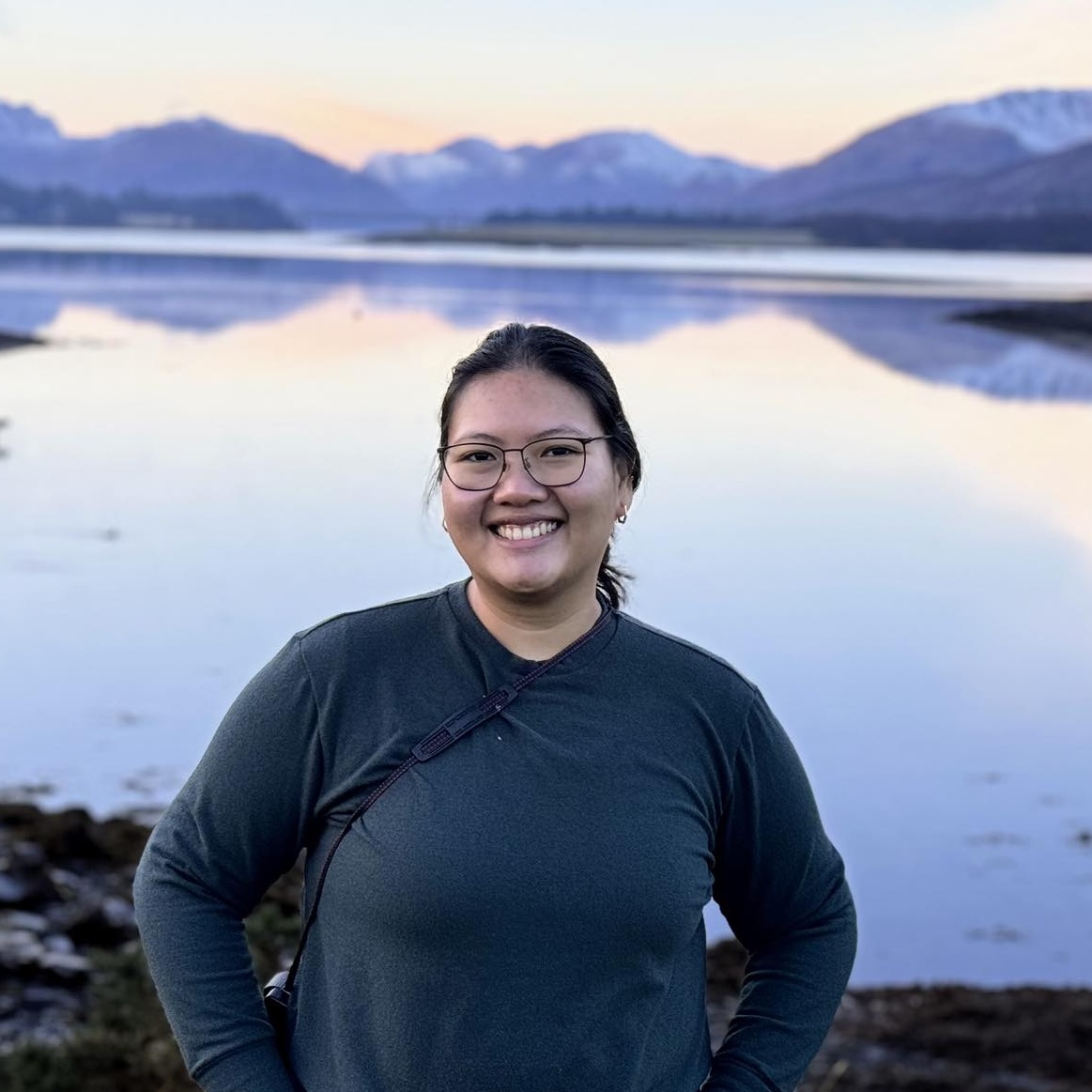
Ysabel Lee
Ysabel Lee (she/her), currently working as an impact development officer for agriculture, food, and health at the University of Reading.
Discover more from CCF
Subscribe to get the latest posts sent to your email.