
By Rachel D’Souza, with gratitude to and permission from Deepa Iyer
This essay is part of a series. Read the first essay, introducing the Social Change Ecosystem Map here.
But what if those of us in the CCF movement identified and owned our roles on the Social Change Ecosystem Map? What if we worked together — wherever we are with whatever resources we have to give — and trusted others in our movement community to take up space? The possibilities of change make me feel absolutely euphoric.
Between the CCF Family Reunion and our inaugural Rooted + Rising Summit, there is no doubt that the Community-Centric Fundraising (CCF) movement is brimming with curious and committed members from across the globe seeking to reimagine and redesign our civil society’s systems and practices to yield more equitable outcomes.
Five years into the official movement (although CCF principles and methods have been practiced in our cultures of origin for millennia), many fundraisers continue asking, “But how do we do this?”
Our previous experiences and learning have not prepared us to sustainably engage in the community-centric change we seek.
Our sector is wrought with power dynamics, inequities, and inefficiencies. Our efforts are siloed and oriented around a singular mission. We contort ourselves to fit into narrow funding guidelines and truly never take up the space we need.
Despite our shared values, we are still figuring out how to translate the principles of CCF into sustained and collaborative action.
I’m a big believer of the “get in where you fit in” approach: Pick a place and just start. I know that’s often easier said than done.
But what if those of us in the CCF movement identified and owned our roles on the Social Change Ecosystem Map? What if we worked together — wherever we are with whatever resources we have to give — and trusted others in our movement community to take up space?
The possibilities of change make me feel absolutely euphoric.
Remember:
The 10 Principles of Community-Centric Fundraising are ever-evolving core principles that have been developed from conversations with so many fundraisers of color. They are how we aspire to transform fundraising and philanthropy, so that they are co-grounded in racial and economic justice. We envision these principles adapting and evolving over time. CCF is not a one-size-fits-all model, and may look very different in practice depending on so many variables and nuances. Consider these 10 Principles a starting point.
From my personal and professional experience using the Social Change Ecosystem Map to navigate my contribution to the CCF Movement, here are some ideas to get your creativity flowing as we find our way forward together.
| CCF Principle | Potential Social Ecosystem Role | Potential Aligned Actions |
| Fundraising must be grounded in race, equity, and social justice | Visionaries, Disrupters, Healers |
Reimagine or revise your organization’s core values to align with community asset-based framing Offer regular trainings that equip community members and supporters with knowledge and skills |
| Individual organizational missions are not as important as the collective community | Weavers, Builders, Storytellers |
Co-create your development strategy and/or fundraising campaigns with community input. Share decision-making authority and recognize community contributions publicly |
| Nonprofits are generous with and mutually supportive of one another. | Builders, Caregivers, Experimenters |
Develop donor communications that reflect genuine relationships and shared goals, not just solicitations for financial support Align annual fundraising efforts with coalition campaigns and joint initiatives |
| All who engage in strengthening the community are equally valued, whether volunteer, staff, donor, or board member. | Guides, Frontline Responders, Weavers |
Create opportunities for community members to lead fundraising initiatives. Engage community members as partners, not just donors. This can happen through listening sessions, story-sharing events, and participatory planning activities. |
| Time is valued equally to money | Frontline Responders, Healers, Experimenters |
Test participatory fundraising models, such as community-led giving circles or peer-to-peer campaigns. Establish feedback loops with community members and partners. Use learnings to refine fundraising approaches, ensuring they remain community-driven and effective. |
| We treat donors as partners, and this means that we are transparent, assume the best intentions, and occasionally have difficult conversations. | Storytellers, Guides, Disrupters |
Understand your “zone of possible agreement” in solicitations and where you might have to decline a misaligned contribution. Role play scenarios in which you have to practice saying “no,” holding a line or offering alternative perspectives and information. |
| We foster a sense of belonging, not othering. | Weavers, Caregivers, Frontline Responders |
Share outcomes and stories that highlight community-led change. Use data to inform strategies, respecting privacy and community ownership of information. Regularly acknowledge and thank community supporters authentically, recognizing these contributions as part of a reciprocal relationship. |
| We promote the understanding that everyone (donors, staff, funders, board members, volunteers) personally benefits from engaging in the work of social justice — it’s not just charity and compassion. | Caregivers, Guides, Builders |
Create personalized thank-yous and opportunities for all supporters to visualize their role in the movement. Pilot opportunities for donor recognition not based solely on gift size. |
| We see the work of social justice as holistic and transformative, not transactional. | Disrupters, Visionaries, Storytellers |
Redirect and frame your fundraising as a part of broader social change efforts, not just resource collection. Consider connecting donors and community members to larger campaigns and/or policy campaigns that promote systemic change. |
| We recognize that healing and liberation requires a commitment to economic justice. | Experimenters, Healers, Visionaries |
Revise your compensation structure to align with equitable pay principles. Pilot an organizing or advocacy effort that aligns with your organization’s vision. |
In this time of scarcity, violence, uncertainty, and silencing, the way forward is with and through community. Community is survival. Together, we are powerful. And, as individuals, we have to be generous with our gifts and with creating space and permission for others to be generous as well. When our collective community empowers each other, it allows us to let go of what we aren’t good at and what ultimately doesn’t serve our joy or what we care about.
This resource is a living document — a testament to what we could and should try, and a place to share what we’ve learned. I welcome your additions and reflections to create an extensive roadmap for our movement work and hope that it may serve others in all the change still to come.
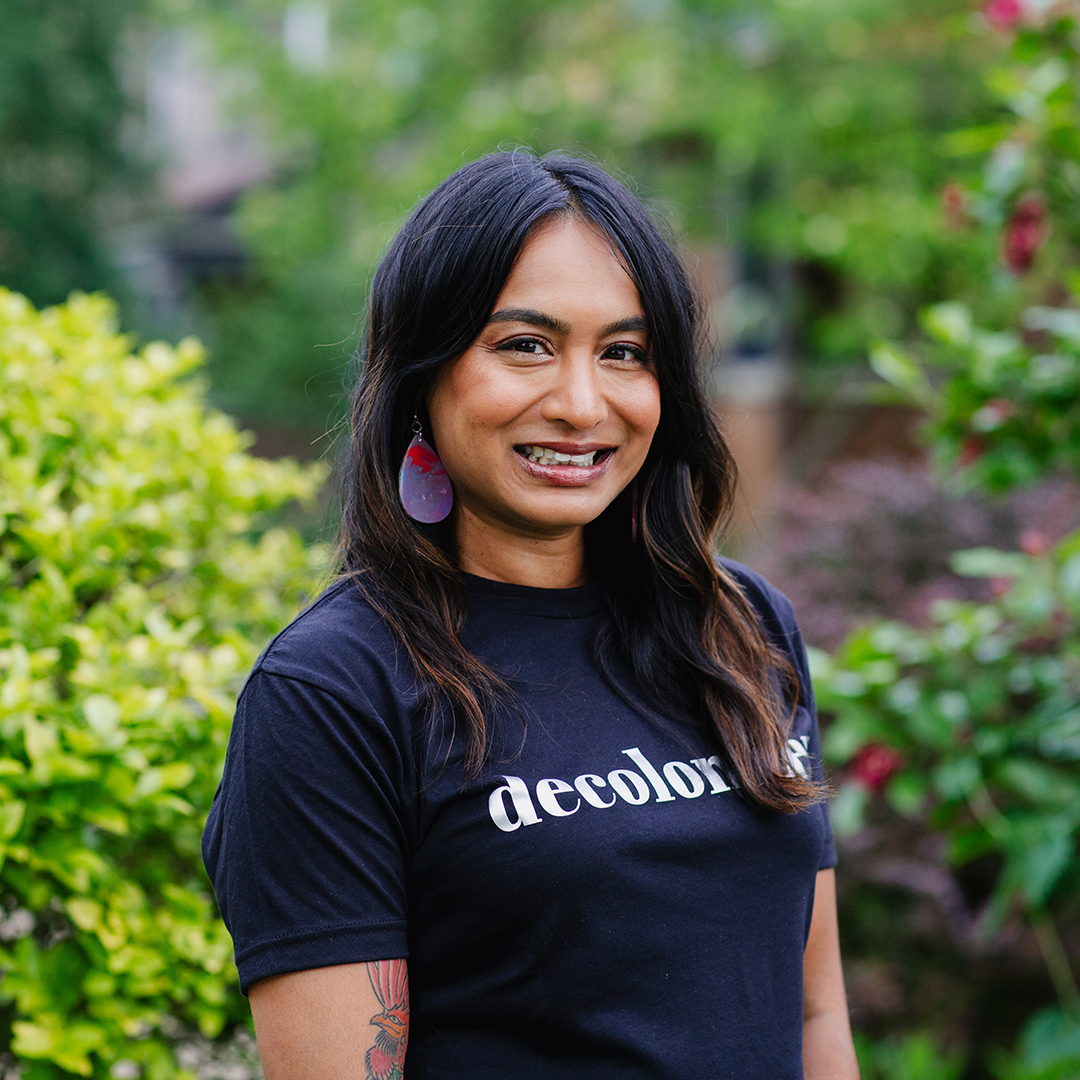
Rachel D'Souza
Rachel D’Souza (she/her) is the Founder+Principal of Gladiator Consulting in St. Louis, Missouri. Through Gladiator, Rachel has combined her knowledge of organizational culture and fund development with her deep personal commitment to centering community, seeking justice and creating belonging for those who have been disenfranchised or targeted by institutions, systems, and policy.
Born to parents who immigrated to the U.S. from India, Rachel has always been passionate about bridging differences and celebrating what’s possible when we collaborate from a mindset of abundance, learning, and risk-taking. Rachel loves cooking, snuggling her kids, and Instagram.
Discover more from CCF
Subscribe to get the latest posts sent to your email.
This reminds me of that quote “don’t let perfect be the enemy of good” and I totally agree. The most important step is the next!