By Dorothy Lee, a specialist in supporting small nonprofits navigating big changes.
More closures are coming, probably at a faster pace than our sector has ever felt. Can we prepare ourselves to sunset organizations in a way that feels transformative?
For a few years, I’ve been mulling to myself, What if I became a Death Doula for organizations? Could that be a thing? Could I actually get work by saying I was there to get people to face their fear of death in the form of closing an organization that is entwined with their egos?
In my head, I published a cheeky quiz here on CCF: How to know if you should shut down your nonprofit; Check here if your organization is rooted in white saviorism; If you checked the box, shut it down… you get the drift.
My imaginary readers got a good laugh, a few small revelations were had, and the work was ready to be done.
Outside my brain, the world moved along; the 2024 election cycle and 2025 happened. All of a sudden, closures were a hot topic in our sector, from USAID being shuttered overnight, to the Gates Foundation announcing a 20-year wind-down, to community-based organizations being forced to close over outrageous Diversity, Equity, and Inclusion “scrutiny” and funder fears, and everything in-between.
I was part of a cohort of former Executive Directors in a Support Center training for interim leadership, and through someone there who had wound-down his nonprofit, encountered the work of Camille Acey, a “conscious closures consultant.” I met others exploring this work through her resources and discovered that, of course, I was not the only person using the phrase “Organizational Death Doula.” Other people have been thinking about how work geared towards human mortality can be applied to organizational mortality! Other people are actively working with nonprofits in this way!
Distinct from the buzzy conversations about big foundations and government agency closures, there has also been a gradual increase in open discussions of planning for mindful organizational sunsetting for nonprofits and foundations of all sizes—such as consultancies specializing in this area, including the Wind Down and the Decelerator, and articles in prominent sector publications like Stanford Social Innovation Review and Nonprofit Quarterly.
Are these signs of a building movement?
Death is part of life, and we seem to be in a season of death
During the COVID shutdown in 2020, the cemetery across the street was the go-to hangout spot for my household members, and many other folks in the community, too. It was the outdoor space we could get to most easily, and I personally felt soothed by being somewhere that put life and death into a more expansive context. I thought more about death during that time than usual, and I am not the only one. Death of loved ones, yes, and also death of predictability, death of clear future plans, death of expected milestone events, death of organizations. In the cemetery, I could rub my hand along headstones that were 150 years old, brush my cheek against cherry blossoms that had just opened, and feel rooted while the world swirled.
I was the Executive Director of a $1MMish nonprofit at the time and wondered constantly: Should we keep assuming future growth? Should we radically rethink how we operate? Many organizations contemplated those questions at the time, simultaneously forecasting for expanding, merging, shrinking, and closing, with no clear idea of which route to pursue.
It now feels like the prelude to what happened in our sector in 2025, and what continues to unfold.
It is estimated that between 5.4-14.9 million people died of COVID worldwide in the first two years of the pandemic, and another 1.7-21.1 million since then, depending on your source. The numbers are even murkier when it comes to closures of businesses and nonprofits, but they are high. The effects are still playing out in our personal lives, our politics, our sense of security. It’s uncomfortable to hold in our minds just how much the collective trauma of COVID lockdown continues to impact us all, but that experience did force us to (at least temporarily) face important questions about where to focus our time and attention.
I have been energized to see more and more open conversations about not only the hard parts of endings, but the beautiful, spacious, evolutionary, and necessary parts, too. As adrienne maree brown reminds us in Emergent Strategy: Shaping Change, Changing Worlds, “Matter doesn’t disappear, it transforms.” Your organization’s death will help other ideas, actions, and voices to flourish as they find they have more fuel and more room to breathe.
Could there be an acceptance, and even celebration, of shutting down organizations?
More closures are coming, probably at a faster pace than our sector has ever felt. Can we prepare ourselves to sunset organizations in a way that feels transformative?
In change management, people use the word “perturbation” when talking about a shock to the system. It’s a phrase that was carried over from harder sciences to the world of organizational psychology to help get at the idea of a disturbance that will have many intense consequences— some predictable, some not. What if we prepared for those we can predict? What if we held at the forefront of our work the larger community and mission served, above and beyond the function of our particular nonprofit or foundation?
So, how do you let your organization die gracefully? Here are some thoughts for consideration:
- Everything ends eventually. You will live and work more fully when you hold onto this truth actively, even if the time for your organization to end feels far away right now.
- Endings will be messy, no matter what, so prepare for some things to go unresolved.
- If the team is able to make conscious collective choices and decisions along the way, everyone will feel better than if the rug is pulled out from under the organization all of a sudden. This is not always possible, but if the questions come up, try to face them and examine them.
- Ask for help! No one should go through a closure alone. Longtime supporters and friends, as well as professionals who can give an outside perspective, will bring value, perspective, and community to the process.
- Closing an organization takes money. Sometimes it’s cheaper to keep going on paper than it is to close. I hope the bureaucracy that perpetuates this changes, but for now, know this takes research, support on legal and finances, and some time.
- Rituals are helpful. They may seem cheesy, but creating spaces for collective remembering, sharing, and grieving is important both for individuals, and for the legacy the organization will leave behind.
Let’s incorporate graceful, spacious closure processes more fully into the way we work.
It is part of being in community with one another—one organization’s death does not mean the mission is dying, or being forgotten. This is why we strive to be community-centric! So that we can have faith in the bigger work, let the egos of individual leaders and organizations fall away when they are no longer able to serve, and reveal the steady purpose and determination of movements, forever pushing forward.
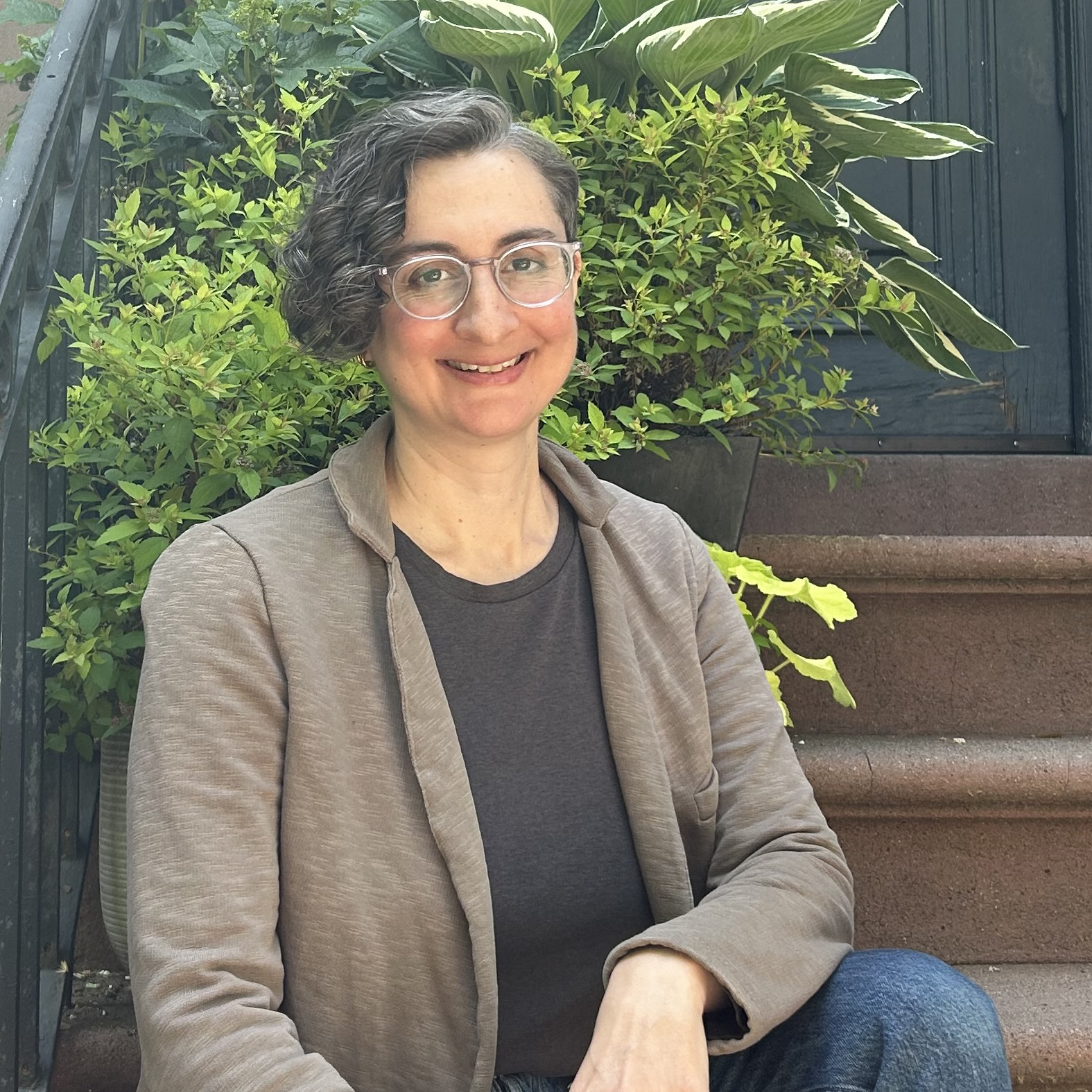
Dorothy Lee
Dorothy Lee (she/her) led an organization through pivotal years of growth and change, and now guides nonprofits and small businesses moving from start-up to scaling, winding down their operations, and everything in-between. She is passionate about listening with her whole self, and collaborating deeply. Connect with Dorothy to chat about nonprofit endings, navigating work alongside parenting, and other uncomfortable transitions, at fromdorothy.com or on LinkedIn.
Discover more from CCF
Subscribe to get the latest posts sent to your email.