
By Mabel Colón, Anjali Mehta, and Valerie Neumark, of rootid
As the third largest employment sector, the nonprofit sector certainly has come a long way in rethinking and reshaping workplace culture in the United States, but there’s more we can do to reduce the cycles of harm.
Between the three of us, we have collectively worked in nonprofits for over 20 years, committing to good work in California, New York, and Bombay for people all over the world. We’ve pushed through traumatic moments and immense burnout in hopes of accomplishing community goals. We’ve held on to small moments of immense fulfillment.
What we’ve noticed is there is often a separation between mission and values and the day-to-day processes at nonprofits that always seems to create a disconnect. Do we uphold practices or ideologies that prevent us from accomplishing the mission or do we look inwards to create alignment before trying to help communities externally?
Each of us were hired at various different nonprofits because of our personal connection to the missions and ability to help bring the missions to life. But after a period of time, we were expected to slowly fit into a mold set by those in power. This mold included: white dominant hierarchies, harmful power dynamics, and general toxicity. Over the years, we imposed harm upon ourselves, trying to live up to standards that do not actually align with who we want to be in the world.
When we began to question the mold in both healthy and unhealthy ways, it ultimately led to burnout.
To make sense, survive, heal, and try to build some semblance of an emergency savings fund we began centering self and collective-care. This included: sharing the toxicity with supervisees to ensure they were prepared in case we were pushed out, advocating by unapologetically saying “no,” organizing employees to leave Glassdoor reviews, and taking a minimum of three week long vacations.
We simply wanted to be a part of a team and community that prioritized and embodied kindness and care.
The universe gave us some relief by bringing us to rootid.
Working at rootid has been healing, but a lot of self discovery had to happen before we could appreciate and build a culture that works for us (and we still have to remind ourselves that it’s possible!).
When toxicity meets the workplace
We’ve all experienced it to some degree: the -isms, tantrums, expectations, hierarchy, and low pay.
As the third largest employment sector, the nonprofit sector certainly has come a long way in rethinking and reshaping workplace culture in the United States, but there’s more we can do to reduce the cycles of harm. (This is by no means a full list, but a starting point).
Leadership
Regardless of whether you’re in a top-down, shared leadership, or horizontal structure, it’s important to be intentional about how your leadership behaves and addresses conflict. When decision makers are conflict avoidant, problems brew and then not surprisingly explode—leading to employee dissatisfaction or high turnover. Dealing with conflict as soon as it arises means the problem stays in a manageable form and could lead to a creative resolution.
The lack of action we commonly see from leadership during conflict or rupture is rooted in each individual’s personal discomfort or dysregulation and, unfortunately, other employees are caught in the crosshairs.
An example on how conflict avoidance plays out in a negative way: a board member arrives at the organization’s office to attend the monthly board meeting. As they’re waiting for others to arrive, the board member asks an employee out for dinner in front of program participants. The employee brushes it off, but the next day brings it up to the CEO. The CEO disengages from the conversation because this board member is their friend.
Pause and Reflect: as an organizational leader, how would you handle the situation?
Leadership’s main goal should be to create healthy environments that help achieve the organization goals. That includes making your employees feel valued by acknowledging their contributions, creating opportunities for them to grow and take on more responsibility should they want it, and helping facilitate decisions, especially when there is conflict. Leadership is about trusting your team to do the jobs they were hired to do, not being the only expert in the organization.
A lack of humble and evolved leadership unfortunately contributes to burnout, exhaustion, and reduced productivity and creativity.
Antidotes to conflict avoidant leadership styles:
- Learn about how Indigenous ways of life may offer us a way forward in the article “The Blackfoot wisdom that inspired Maslow’s Hierarchy.”
- Discover an effective strategy for engaging in conversations that are both intellectually demanding and emotionally challenging, in this tool about constructive listening from National Equity Project.
- Reflect on your self-compassion practices with the article “4 techniques for practicing self-compassion” from Cleveland Clinic.
- Consider how work can protect mental health with this fact sheet “Mental health at work” from the World Health Organization.
We could be free, free. We can’t fix it if we never face it. Let the past be the past ’til it’s weightless.
Pay disparity
Let’s say, the highest paid employee at an organization makes $175,000. The lowest paid employee makes $65,000. That’s a huge difference. In much of the US, that $65,000 barely allows you to afford rent, transit or gas and groceries, let alone allow you to build a reserve fund in case of job loss.
While this pay disparity is often explained as addressing the level of responsibility, it’s often those with lower pay that are accomplishing the mission, taking the day-to-day risks, and who have the most fragile work stability. Pay and treat employees well (e.g. with transparency, sincerity, humility, and 100% health benefits paid by employer).
Organizations should audit their pay structures in order to ensure fair wages for all employees and clear opportunities for employees to move up in title and pay. Don’t wait until they ask for it. Highest paid employees who don’t make that much more than lowest paid employees show camaraderie not hierarchy.
An example of how low pay or opportunity plays out in a negative way: an employee is ready to accept more responsibility and continue their learning journey. They have a track record for being a smart and capable employee. They’re a key piece in ensuring success. Every time they approach the topic of a promotion with their direct supervisor or HR, they’re often told there’s no money or roles for them to move into.
What do you think the employee will do?
In an ideal world, the difference between the highest and lowest paid employees wouldn’t be more than $25,000 or, even better, $0, like the Sylvia Rivera Law Project. We imagine an excuse for not closing the pay disparity is that no one will want to fund it. But if a core value of the organization is retaining talent, key decision makers could easily find the right framing for this and how to communicate progress, both internally and externally.
Not having the ability to build financial security in a capitalist society unfortunately contributes to burnout, exhaustion, and reduced productivity and creativity.
Antidotes to pay disparity:
- Learn about the benefits of Restorative Circles from Restorative Justice Institute of Oklahoma.
- Dive deeper into pay equity in the blog post “Bridging the gap: Wage equity and fiscal sponsorship” from Social Impact Commons.
- Discovery how new laws and practices can address pay disparities in the article from National Council of Nonprofits titled “Can new laws and practices address pay disparities?“
Seems like nobody gets what they want. Seriously. Five years ago, our school’s roof caved in. Instead of fixing it, they had a counselor come in once a week to deal with the emotional burden of not having a roof. Apparently, they were like, ‘I know you feel a dank draft, kid, but how does that dank draft make you feel?’ Uh, dank! The hell?!
World, meet workplace
Yes, what happens in our world affects how we show up in the workplace. Climate disasters. Human rights violations. Economic uncertainty. Genocide. Hate speech. And when it happens simultaneously and consistently, it feels like there is no hope or humanity left.
Being in the nonprofit sector, is it not our responsibility to ensure people in our community have access to opportunity, regardless of mission? Is it not our responsibility to create a space where people of all backgrounds, abilities, races, genders, and economic levels can feel that there are people who still care? Is it not our responsibility to create and contribute to community? This only helps us achieve our mission no matter what it is.
A lot of the time, leadership will refer to community calls to action as “mission creep,” if the call to action is not in line with the strategic plan, which prevents the nonprofit and the employees within it from being a good neighbor.
An example of how this plays out in the workplace: employee works at an arts organization for young people with disabilities. Then a devastating wildfire spreads throughout the state, but not in the area where the organization is based. Employee is devastated and brings it up at the monthly staff meeting, asking whether the organization can share resources or host an art auction for folks affected by the wildfires. Leadership says it’s a nice idea, but not mission aligned, so it would be weird to say or do something.
Is there a way to build community without losing mission alignment?
Staying silent or lacking genuine action (i.e. more than a statement of solidarity) in moments of crisis when shared humanity is imperative contributes to burnout, exhaustion, and reduced productivity and creativity.
Antidotes to separating our nonprofits from the world:
- Reflect on how you can bring more softness to your work in this blog post from rootid titled “From calling out to calling in: A softer way forward.”
- Explore different stress responses in the article “What is the fight, flight, freeze, or fawn response?” from Cleveland Clinic.
- Learn how box breathing can help you destress in this article from Cleveland Clinic.
- Discover how an Indigenous Naturopathic doctor pairs evidence-based research with traditional healing modalities in the book The Science of the sacred: Bridging global Indigenous medicine systems and modern scientific principles.
- “Let’s try to be nicer to ourselves and one another while we fight against fascism,” a personal reflection by Vu Le.
It’s true. Around this office, in the past, I have been a little abrupt with people. But the doctor said, if I can’t find a new way to relate more positively to my surroundings, I’m going to die.
Moving forward
Healing and shifting our approach to work will take time and thoughtful consideration. The ways in which toxic leadership and the influence of external injustices evolve within our workplaces is not insurmountable. So much of what we must collectively navigate in order to have what we need can be accomplished with a team that holds and embodies shared values.
In 2020 our team agreed upon the following:
“We believe that to be good ancestors we must recognize and honor our interdependence and co-design practices that are anti-racist. We begin with humility and use curiosity and reimagination to interrupt historical patterns of oppression and marginalization within ourselves, our team, our partnerships, communities, and systems. We believe that form follows meaning. We strive to deeply contribute both locally and globally—collaboratively growing access to the knowledge and tools needed to heal and liberate.”
rootid holds space and creates opportunities to have difficult conversations with ourselves and to discuss and work through barriers together. Navigating these muddy waters of intergenerational trauma is possible, we promise.
Give yourself the time and permission to identify, recognize, and grieve, and then remember: what you accomplish is not just for your healing, but for the generations of people to come.
We need to remember what’s important in life: friends, waffles, work. Or waffles, friends, work. Doesn’t matter, but work is third.
The authors of this article suggest that you pay your land tax to the Indigenous Tribes and Nations whose land you currently occupy. (Sogorea Te Land Trust in the East Bay of California or Manna-hatta Fund in New York, for example.)
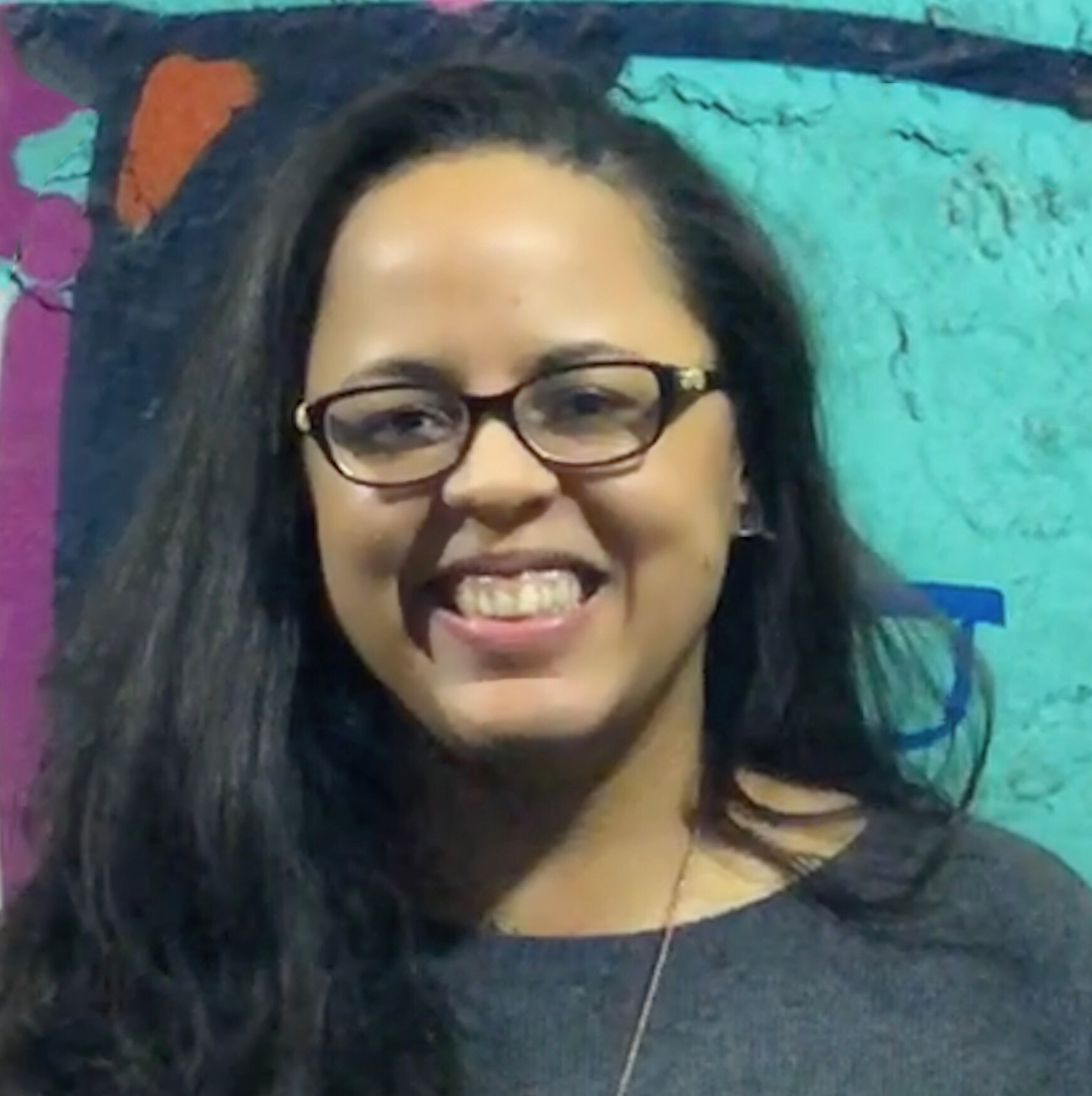
Mabel Colón
Mabel (she/her) is a UX & Service designer who views change as emergent from accountable, accessible and collaborative processes. Through her nonprofit and education sector experience she has designed and updated systems and tools to center the needs of those most impacted and uplift the collective value of traditional and local knowledge. As a language interpreter and translator, Mabel focuses on inclusion—making sure access to information, experiences and resources are available to all.
Mabel has her Bachelor’s Degree in Women’s Studies and Psychology with double minors in Latin American and Caribbean Studies as well as Spanish Language and Literature from Stony Brook University. In her free time, she enjoys baking, dancing and good tv.

Anjali Mehta
Anjali (she/her) brings over 10 years of nonprofit experience to rootid. In her time, she has built fundraising programs and internal organizational culture with equity in mind. In her work, she employs cross-collaboration, active listening, and problem-solving action. Often in her work, she references Tema Okun’s White Supremacy Culture article to ensure harmful behaviors are not being perpetuated.
Anjali has a degree in Global Economics with an emphasis on Southeast Asian Economies from the University of California – Santa Cruz. In her spare time, you can find her trying a new recipe, gardening, listening to a great podcast, reading a book, or planning the next great adventure.
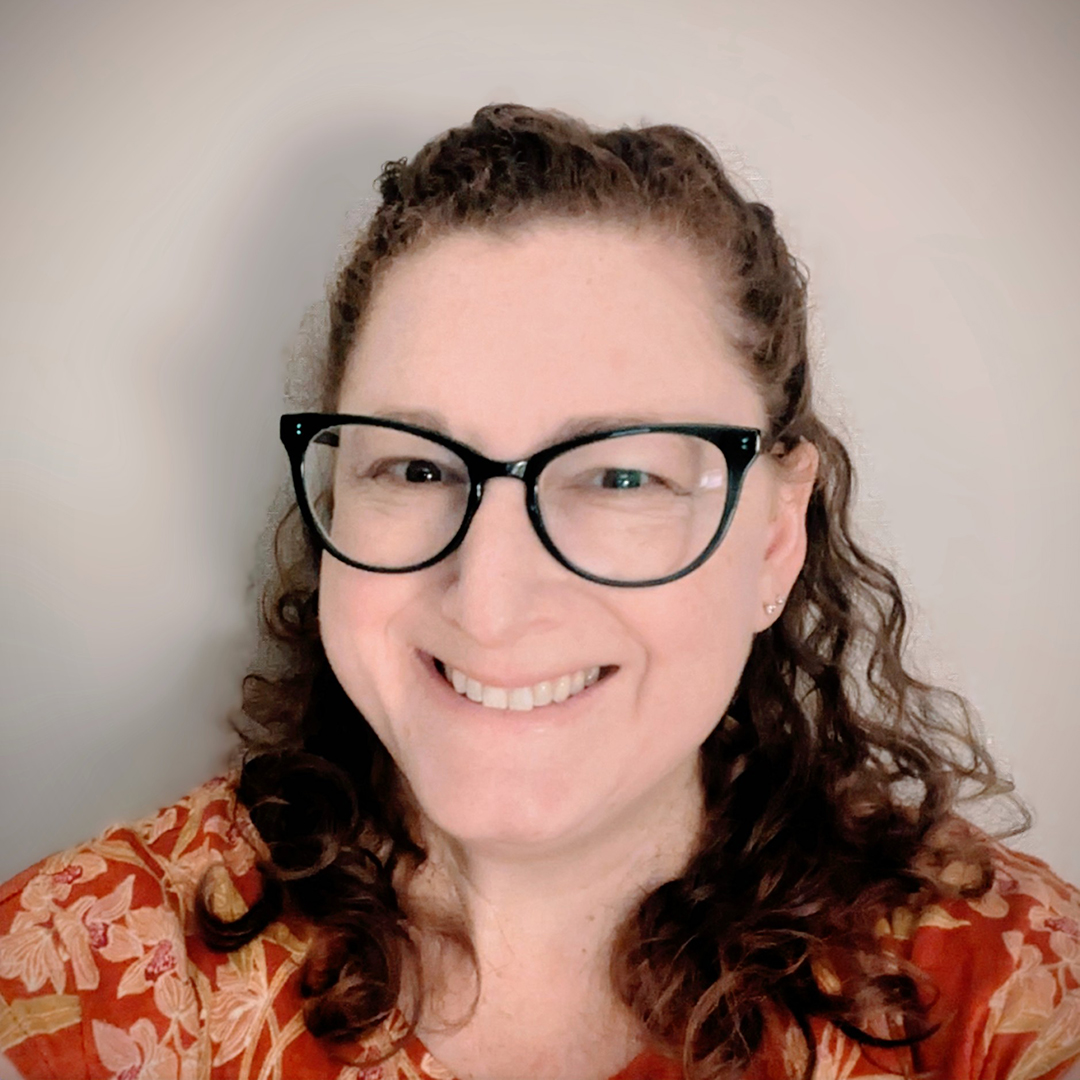
Valerie Neumark
Val (she/they) is a brand strategist, educator, facilitator and coach focused on using communications, design-thinking and technology as vehicles to advance equity. Through partnerships and collaborations, Val endeavors to co-design anti-racist, anti-oppressive spaces and tools that facilitate strategic-thinking, community building and sustainable growth for non-profits and social impact organizations.
Val has a Bachelor’s Degree in Visual Arts & Media from University of California San Diego and a Master’s Degree in Education from Pepperdine University. A 2016 recipient of Pepperdine University’s inaugural 40 under 40 Award. In their free time Val loves to hike, read books and practice karate with their kid.
valerie@rootid.com | @wearerootid | @ValArtNStuff
Discover more from CCF
Subscribe to get the latest posts sent to your email.